
Born in China 2017

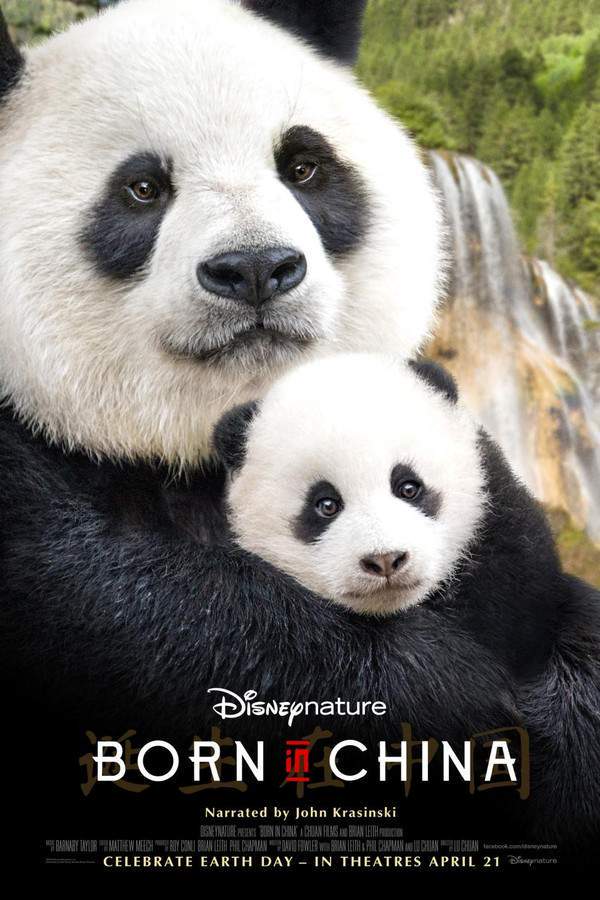
Experience the wonders of China through the eyes of its remarkable wildlife. This documentary follows three extraordinary animal families—a panda family, a troop of golden monkeys, and a snow leopard mother and her cubs—as they navigate the diverse and stunning landscapes of the country. Award-winning filmmaker Lu Chuan brings viewers on an unforgettable journey into the heart of these creatures’ lives, showcasing their challenges and triumphs.


Does Born in China have end credit scenes?
No!
Born in China does not have end credit scenes. You can leave when the credits roll.
Meet the Full Cast and Actors of Born in China
Explore the complete cast of Born in China, including both lead and supporting actors. Learn who plays each character, discover their past roles and achievements, and find out what makes this ensemble cast stand out in the world of film and television.
No actors found
External Links and Streaming Options
Discover where to watch Born in China online, including streaming platforms, rental options, and official sources. Compare reviews, ratings, and in-depth movie information across sites like IMDb, TMDb, Wikipedia or Rotten Tomatoes.











Ratings and Reviews for Born in China
See how Born in China is rated across major platforms like IMDb, Metacritic, and TMDb. Compare audience scores and critic reviews to understand where Born in China stands among top-rated movies in its genre.

The Movie Echo Score
This documentary excels in visual presentation yet falters in narrative depth and engagement. The striking cinematography and intimate wildlife footage are consistently praised, but the scripted voiceover and anthropomorphic framing undermine thematic coherence. Emotional moments featuring baby pandas and monkey antics evoke genuine affection, yet the film’s avoidance of harsher realities and lack of a clear call to action limit its resonance. Overall, Born in China offers impressive imagery yet delivers a mixed storytelling experience.
The Movie Echo Score Breakdown for Born in China

Art & Craft
In terms of art and craft, the film’s cinematography and production design are outstanding. Reviewers highlight breathtaking wildlife footage, intimate close-ups, and expansive Chinese landscapes captured with clarity and precision. The editing supports seamless transitions between seasonal narratives, reinforcing visual storytelling. Despite occasional anthropomorphic framing, the visual craftsmanship remains a dominant strength. Net impression: Born in China delivers consistently impressive imagery that anchors its cinematic appeal.

Character & Emotion
When it comes to character and emotion, the film elicits mixed responses due to its anthropomorphic narration. The named wildlife protagonists generate empathy through their family interactions, especially panda cubs and monkey antics, creating emotional resonance. However, critics note that the frequent imposition of human traits and a cloying voiceover occasionally undermines authenticity. In summary, character depth is present but tempered by overtly sentimental framing that limits genuine emotional impact.

Story & Flow
In terms of story and flow, the narrative framework is uneven and occasionally lacks cohesion. Reviewers criticize a disjointed script, references to a surface-level ‘circle of life’ ethos, and missed opportunities for meaningful context or call to action. While focused sequences—such as monkey drama—offer engaging moments, overall pacing and thematic depth feel underdeveloped. Ultimately, the story’s limitations prevent sustained engagement despite brief highlights.

Sensory Experience
When considering sensory experience, the film excels visually but offers mixed audio presentation. Reviewers laud the cohesive visual style, immersive natural soundscapes, and well-integrated soundtrack elements that enhance the wildlife sequences. Conversely, the voiceover narration by John Krasinski is sometimes described as pat and cloying, disrupting tonal consistency. Overall, sensory strengths lie predominantly in visual and sound design, though narration choices occasionally detract from tonal cohesion.

Rewatch Factor
In terms of rewatch factor, the film offers moderate lasting appeal, particularly for younger audiences and DisneyNature enthusiasts. The charm of panda cubs and dramatic wildlife moments provides reasons to revisit, and behind-the-scenes insights add value on subsequent viewings. However, the predictable structure and sentimental tone may reduce enjoyment for adult viewers over time. Overall, the documentary’s rewatch value is solid yet limited by narrative familiarity.

57
Metascore
6.1
User Score


83%
TOMATOMETER

73%
User Score

74
%
User Score

3.4

4.17/5
From 24 fan ratings
Take the Ultimate Born in China Movie Quiz
Challenge your knowledge of Born in China with this fun and interactive movie quiz. Test yourself on key plot points, iconic characters, hidden details, and memorable moments to see how well you really know the film.
Born in China Quiz: Test your knowledge about the poignant journeys of wildlife in the documentary 'Born in China'.
What is the primary setting of the film 'Born in China'?
Awards & Nominations for Born in China
Discover all the awards and nominations received by Born in China, from Oscars to film festival honors. Learn how Born in China and its cast and crew have been recognized by critics and the industry alike.
Full Plot Summary and Ending Explained for Born in China
Read the complete plot summary of Born in China, including all major events, twists, and the full ending explained in detail. Explore key characters, themes, hidden meanings, and everything you need to understand the story from beginning to end.
The film intricately weaves together the stories of three distinct animal families as they navigate the ever-changing seasons in the wilds of China. We meet a mother snow leopard named Dawa, who resides in the remote Qinghai Plateau. Dawa is fiercely protective of her two cubs, constantly facing threats from nature and rival predators. As spring blooms, she easily wards off a rival snow leopard, but by fall, he returns, accompanied by his aggressive sons, and Dawa is unable to fend them all off. As winter descends, a desperate hunt for sheep results in Dawa sustaining serious injuries. Tragically, a year passes, and in a gripping turn of events during spring, she falls victim to a domestic yak while hunting. Dawa’s cubs are left to fend for themselves, facing the harsh realities of life without their mother.
In the central mountain valleys of Sichuan, we encounter TaoTao, a young golden snub-nosed monkey, who grapples with his feelings of jealousy towards his newborn sister. Feeling neglected by his parents, he seeks solace among a group of rebellious monkeys known as “The Lost Boys,” led by an adult male named Rooster. However, when Rooster clashes with TaoTao’s father one autumn day, TaoTao shifts his loyalties back to his family during the colder months. Initially rejected, his family eventually opens their hearts to him again. As the seasons change, TaoTao finds himself drifting away from his family, but when a Goshawk threatens his sister, he bravely comes to her rescue, reinstating his place within the family unit.
Meanwhile, nearby in a vibrant bamboo forest, YaYa, a protective giant panda, watches over her curious daughter, MeiMei. As time rolls forward, MeiMei’s fascination with her surroundings grows, yet her overbearing mother remains cautious, aware of the lurking dangers. As the seasons shift, we witness MeiMei’s coming of age—she climbs her first tall tree in spring, showcasing her newfound skills. Although pride fills YaYa’s heart, she understands that her daughter is now ready to explore the world beyond their home, prompting her to fade into the forest.
In the rugged elevations of western China, chiru antelope inhabit the expansive plains near the Qinghai Plateau. Each spring, the female antelopes embark to Zhuonai Lake to nurture their young, leaving the males behind. As autumn arrives, their young antelopes, now prepared for their return journey, face the perilous threat of wolves eager to prey on them. Upon reuniting for the mating season, the adults struggle to recognize their companions and offspring after months apart.
As the film culminates, we witness the animals embracing their lives within the wild tapestry around them. Dawa’s young cubs play joyfully in the mountains, while TaoTao and his father share a serene moment by the riverbank. In a heartwarming scene, a giant panda—potentially YaYa—welcomes another baby into the world. Meanwhile, a young chiru antelope thrives, impressing a potential mate with its graceful leaps. As the narrator poignantly concludes, in Chinese mythology, the cycle of life continues, with a red-crowned crane carrying souls onward to new beginnings, encapsulating the eternal dance of birth and rebirth.

Discover Film Music Concerts Near You – Live Orchestras Performing Iconic Movie Soundtracks
Immerse yourself in the magic of cinema with live orchestral performances of your favorite film scores. From sweeping Hollywood blockbusters and animated classics to epic fantasy soundtracks, our curated listings connect you to upcoming film music events worldwide.
Explore concert film screenings paired with full orchestra concerts, read detailed event information, and secure your tickets for unforgettable evenings celebrating legendary composers like John Williams, Hans Zimmer, and more.


Born in China Other Names and Titles
Explore the various alternative titles, translations, and other names used for Born in China across different regions and languages. Understand how the film is marketed and recognized worldwide.
Quick Links: Summary, Cast, Ratings, More

What's After the Movie?
Not sure whether to stay after the credits? Find out!




Explore Our Movie Platform
New Movie Releases (2025)
Famous Movie Actors
Top Film Production Studios
Movie Plot Summaries & Endings
Major Movie Awards & Winners
Best Concert Films & Music Documentaries
Movie Collections and Curated Lists
© 2025 What's After the Movie. All rights reserved.