
Eureka 2001

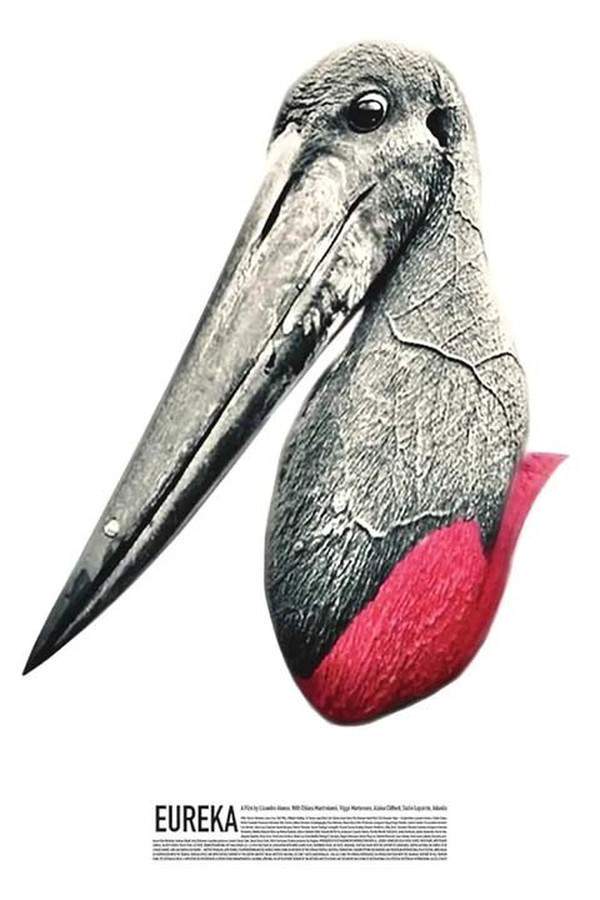
In the harsh Yukon wilderness of 1925, prospector Jack McCann encounters Frieda, a clairvoyant madam, at a remote brothel. Sharing a profound connection, Frieda gives him a mysterious stone that promises gold. However, the gift also suggests a dark and unavoidable fate awaits him in the unforgiving landscape. He must confront both the allure of riches and the ominous prophecy that binds him.


Does Eureka have end credit scenes?
No!
Eureka does not have end credit scenes. You can leave when the credits roll.
Meet the Full Cast and Actors of Eureka
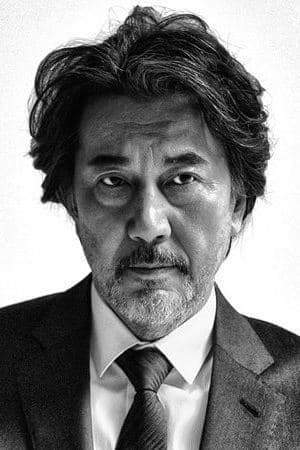
Explore the complete cast of Eureka, including both lead and supporting actors. Learn who plays each character, discover their past roles and achievements, and find out what makes this ensemble cast stand out in the world of film and television.

External Links and Streaming Options
Discover where to watch Eureka online, including streaming platforms, rental options, and official sources. Compare reviews, ratings, and in-depth movie information across sites like IMDb, TMDb, Wikipedia or Rotten Tomatoes.










Ratings and Reviews for Eureka
See how Eureka is rated across major platforms like IMDb, Metacritic, and TMDb. Compare audience scores and critic reviews to understand where Eureka stands among top-rated movies in its genre.

79
Metascore
5.8
User Score


83%
TOMATOMETER

0%
User Score
Take the Ultimate Eureka Movie Quiz
Challenge your knowledge of Eureka with this fun and interactive movie quiz. Test yourself on key plot points, iconic characters, hidden details, and memorable moments to see how well you really know the film.
Eureka (2001) Quiz: Test your knowledge of the 2001 Japanese drama *Eureka* with these ten questions ranging from easy to difficult.
In which Japanese region is the film primarily set?
Full Plot Summary and Ending Explained for Eureka
Read the complete plot summary of Eureka, including all major events, twists, and the full ending explained in detail. Explore key characters, themes, hidden meanings, and everything you need to understand the story from beginning to end.
Eureka is a drama set mainly in rural Kyushu, Japan, and it is almost entirely shot in a sepia tone, giving the film a hushed, memory-like atmosphere. The story centers on the lasting effects of a violent incident on three survivors: Naoki Tamura, his sister Kozue Tamura, and Makoto Sawai, a bus driver. They are the sole witnesses to a hijacking, and the film presents the trauma they endure without dwelling on graphic depictions of the violence itself. The emphasis is on how the event reshapes their lives and the slow emergence of their emotional scars.
The cast’s performances anchor the film’s quiet, observational approach. The film features performances by Aoi Miyazaki and Kôji Yakusho, bringing depth to the trio of survivors as their paths diverge and collide in the years after the incident. Naoki and Kozue withdraw from school, fall silent, and drift away from their parents. Their mother ultimately leaves the family, and their father dies in a car crash, with questions lingering about whether the death was suicide or an accident. The children continue living alone in the family home, a stark contrast to the world around them.
Makoto, the bus driver, struggles to resume a normal life. He travels the roads and, upon returning home, finds his wife has left him. Unable to return to driving, he takes a job as a day-laborer with an old school-friend, trying to rebuild some sense of purpose. The tension between Makoto and his own family grows, and he eventually moves in with Naoki and Kozue, taking over housekeeping and making sure they eat. Kozue begins to speak a little again, but Naoki remains mute, their communication fragile and tentative.
A detective who handled the hijacking becomes a persistent voice in Makoto’s life, harassing him about a murder in the neighborhood without presenting solid evidence. While Makoto is away at work, their older cousin Akihiko arrives and asks to stay to help look after the children. The four of them—Makoto, Akihiko, Naoki, and Kozue—settle into a fragile, improvised family arrangement, each carrying their own unspoken fears.
Another murder occurs, this time of a friend of Makoto’s. The detective questions Makoto but he is released, and he debates with a co-worker about his wish to return to driving. The group formulates a plan to escape their troubles by leaving behind the tensions that bind them to the present. They buy an old bus and convert it into living quarters, embarking on an extended journey around the island.
As they travel, Kozue grows more relaxed, while Naoki grows more unsettled. It gradually becomes clear that Naoki is the murderer, a revelation the film handles with restrained intensity. Makoto confronts Naoki and persuades him to surrender. The remaining three continue their journey, but tensions flare when Makoto ejects Akihiko from the bus due to his cynical, shallow outlook. The path of the journey becomes a reckoning for each of them.
In the end, after a sequence of hard-won realizations, Makoto and Kozue reach a moment where they sense they can face ordinary life again. Their bond and the weight they carry begin to loosen, and as they reach the peak of Kyushu’s highest mountain, the film shifts into color, signaling a possible turn toward normalcy and the possibility of reconnecting with the world outside their shared trauma. The color shift marks a hopeful, if tentative, transition from memory and pain toward a future that might hold ordinary life again.

Discover Film Music Concerts Near You – Live Orchestras Performing Iconic Movie Soundtracks
Immerse yourself in the magic of cinema with live orchestral performances of your favorite film scores. From sweeping Hollywood blockbusters and animated classics to epic fantasy soundtracks, our curated listings connect you to upcoming film music events worldwide.
Explore concert film screenings paired with full orchestra concerts, read detailed event information, and secure your tickets for unforgettable evenings celebrating legendary composers like John Williams, Hans Zimmer, and more.


Eureka Themes and Keywords
Discover the central themes, ideas, and keywords that define the movie’s story, tone, and message. Analyze the film’s deeper meanings, genre influences, and recurring concepts.
Eureka Other Names and Titles
Explore the various alternative titles, translations, and other names used for Eureka across different regions and languages. Understand how the film is marketed and recognized worldwide.
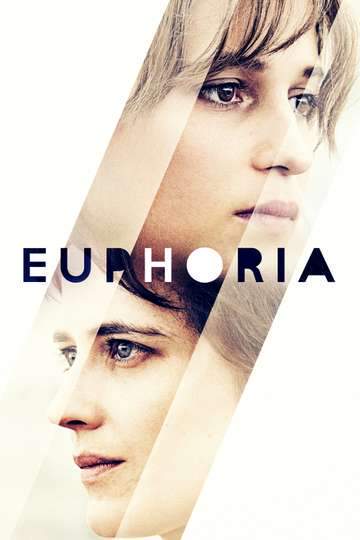
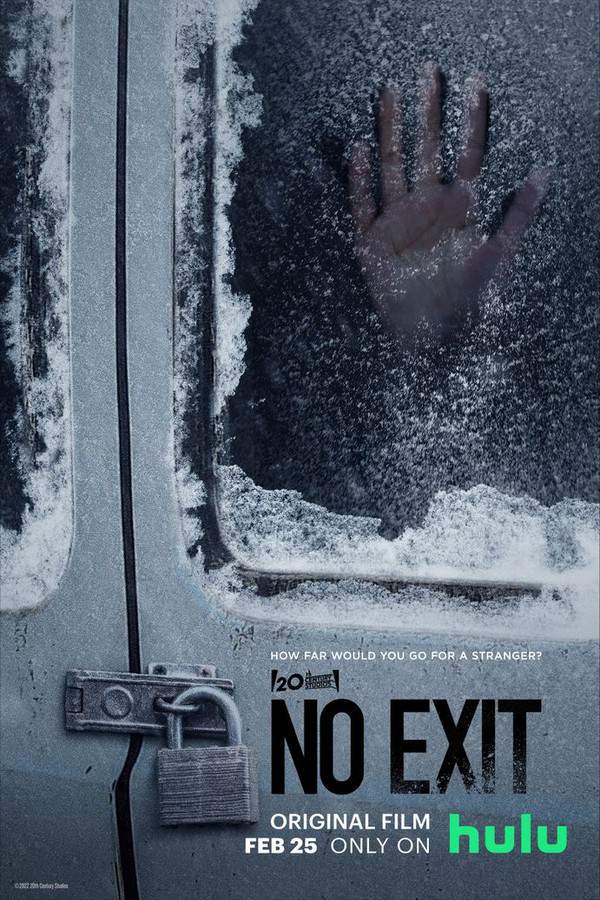
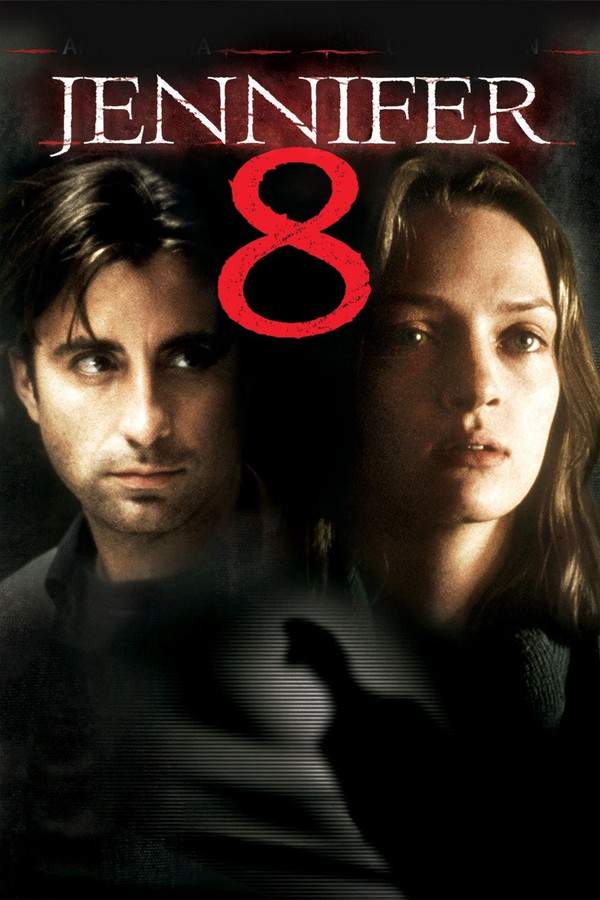
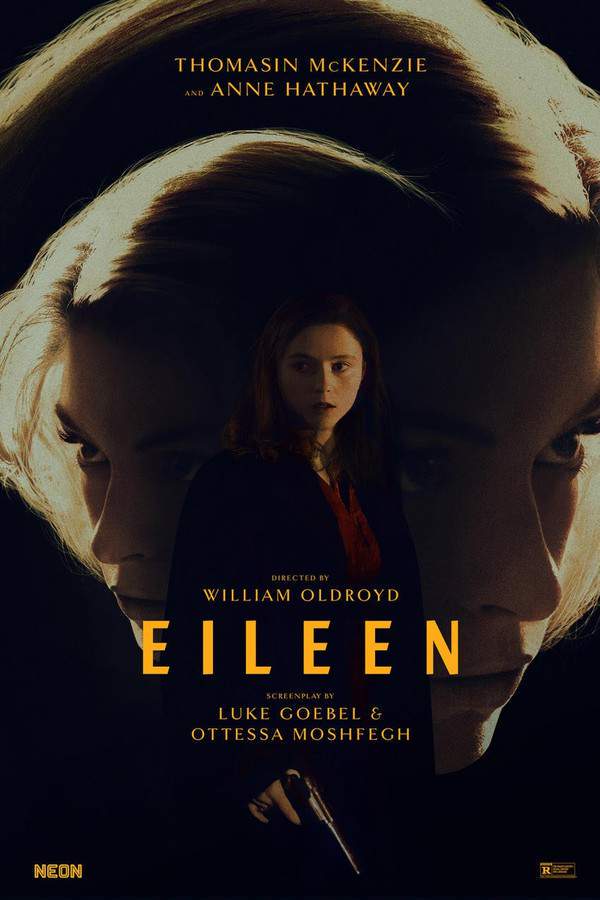
Similar Movies To Eureka You Should Know About
Browse a curated list of movies similar in genre, tone, characters, or story structure. Discover new titles like the one you're watching, perfect for fans of related plots, vibes, or cinematic styles.




Quick Links: Summary, Cast, Ratings, More

What's After the Movie?
Not sure whether to stay after the credits? Find out!




Explore Our Movie Platform
New Movie Releases (2026)
Famous Movie Actors
Top Film Production Studios
Movie Plot Summaries & Endings
Major Movie Awards & Winners
Best Concert Films & Music Documentaries
Movie Collections and Curated Lists
© 2026 What's After the Movie. All rights reserved.