
Fear of Rain 2021


A troubled teenager, Rain Burroughs, struggles with fractured perceptions and mounting paranoia. Haunted by disturbing visions and unsettling sounds emanating from her neighbor's attic, her sense of reality begins to unravel. Seeking help, she connects with Caleb, a mysterious young man who offers support but whose true intentions remain unclear. As Rain investigates the source of her fears, she must confront the potential darkness within herself and question everything she believes to be real.


Does Fear of Rain have end credit scenes?
No!
Fear of Rain does not have end credit scenes. You can leave when the credits roll.
Meet the Full Cast and Actors of Fear of Rain
Explore the complete cast of Fear of Rain, including both lead and supporting actors. Learn who plays each character, discover their past roles and achievements, and find out what makes this ensemble cast stand out in the world of film and television.










External Links and Streaming Options
Discover where to watch Fear of Rain online, including streaming platforms, rental options, and official sources. Compare reviews, ratings, and in-depth movie information across sites like IMDb, TMDb, Wikipedia or Rotten Tomatoes.










Ratings and Reviews for Fear of Rain
See how Fear of Rain is rated across major platforms like IMDb, Metacritic, and TMDb. Compare audience scores and critic reviews to understand where Fear of Rain stands among top-rated movies in its genre.

The Movie Echo Score
Fear of Rain delivers strong performances and visual appeal but struggles with narrative coherence and pacing issues. The film’s portrayal of mental illness benefits from nuanced acting and a focused aesthetic, yet critics frequently note illogical twists and uneven structure that undermine engagement. While the shifting thriller mystery offers moments of suspense and a distinctive atmosphere, the blend of drama and horror elements lacks consistent clarity. The result is a mixed experience that balances compelling character work against a fragmented storyline.
The Movie Echo Score Breakdown for Fear of Rain

Art & Craft
In terms of art and craft, the film exhibits striking cinematography and a vivid color palette but falters in direction and editing consistency. The Tampa-St. Petersburg setting is captured with dynamic framing and thoughtful production design, although moments of clumsy staging interrupt visual rhythm. Overall, technical execution is uneven, with notable imagery undercut by variable pacing and scene transitions.

Character & Emotion
When it comes to character and emotion, performances anchor the film with nuanced portrayals of mental illness. Madison Iseman and supporting cast deliver emotionally resonant work that conveys inner turmoil and familial dynamics. While some critics note a lack of deeper exploration of secondary characters, the central emotional journey remains compelling. In sum, strong acting and credible relationships provide the film’s most enduring asset.

Story & Flow
In terms of story and flow, the narrative struggles with coherence and pacing that undercut engagement. Critics and viewers frequently cite illogical twists and unanswered questions, while slower sections diminish suspense momentum. Though occasional revelations generate intrigue, the blend of mystery and drama lacks consistent clarity and tension. Overall, the plot’s structural unevenness limits its capacity to sustain interest throughout the runtime.

Sensory Experience
When it comes to sensory experience, visual elements stand out more than auditory immersion. The film’s visual style benefits from vivid color schemes and deliberate framing, creating a distinctive mood. However, sound design and musical score receive limited emphasis, and thriller beats sometimes feel incongruous. As a result, the sensory impact is moderate rather than fully immersive.

Rewatch Factor
In terms of rewatch factor, the film offers modest incentive for repeated viewings due to unresolved narrative elements. Occasional twists may prompt curiosity, but persistent questions and uneven pacing diminish replay appeal. While standout performances invite appreciation, the overall inconsistency in structure and tone limits the film’s lasting watchability.


47%
TOMATOMETER

59%
User Score

5.9 /10
IMDb Rating

69
%
User Score

2.8
From 40 fan ratings

4.00/5
From 4 fan ratings
Take the Ultimate Fear of Rain Movie Quiz
Challenge your knowledge of Fear of Rain with this fun and interactive movie quiz. Test yourself on key plot points, iconic characters, hidden details, and memorable moments to see how well you really know the film.
Fear of Rain Quiz: Test your knowledge about the psychological thriller 'Fear of Rain'!
What mental illness does Rain Burroughs struggle with?
Full Plot Summary and Ending Explained for Fear of Rain
Read the complete plot summary of Fear of Rain, including all major events, twists, and the full ending explained in detail. Explore key characters, themes, hidden meanings, and everything you need to understand the story from beginning to end.
17-year-old Rain Burroughs (Madison Iseman) struggles with early onset schizophrenia, leading to her hospitalization after a harrowing psychotic episode. During her therapy sessions, she admits to her therapist that she has been neglecting her medication because it inhibits her passion for painting. Her loving parents, Michelle (Katherine Heigl) and John (Harry Connick Jr), provide unwavering support. However, upon her return to school, Rain faces rejection from her peers who ridicule her for her condition. Fortunately, a new classmate, Caleb (Israel Broussard), takes notice of her, and they soon start to develop a friendship.
One night, Rain experiences a vivid nightmare where she visualizes her neighbor, Ms. McConnell (Eugenie Bondurant), dancing with a small child. Startled awake, she peers through her window into the attic of Ms. McConnell’s house only to see the child being quickly pulled out of view. The next morning, Rain and John pay Ms. McConnell a visit, seeking to investigate the attic. However, the search yields only dolls and mannequins that the teacher claims were left by her late grandmother. Confiding in Caleb, he believes her story, and they decide to sneak into Ms. McConnell’s home to search for the missing girl. Sadly, their efforts lead them to no discoveries.
Driven by curiosity, Rain and Caleb scour the internet for reports of missing children, eventually finding a girl named Malia who bears an uncanny resemblance to the child Rain glimpsed earlier. As their bond deepens, the complexities of Rain’s illness emerge, prompting Michelle to question whether Caleb might be merely a figment of Rain’s imagination. Their attempts to search Ms. McConnell’s house again go awry when she detects their break-in and calls the authorities. Tensions rise at home when John confronts Rain, urging her to take her medication. In a heated moment, she defiantly swallows several pills, leading to a physical altercation between them.
That evening, amid a backdrop of confusion and emotional turmoil, Rain and Caleb share their first kiss. However, when Rain’s mother unexpectedly interrupts, it triggers her doubts about Caleb’s existence. The next day, Rain is distressed to discover Caleb is absent at school, igniting her fear that he might not be real after all. In an attempt to seek help, she visits her therapist but finds her unavailable. Back home, Rain succumbs to a mental breakdown, and amidst chaos, John reveals a shocking truth: Michelle has been deceased for three years, and Rain’s perception has woven her mother into her imagination.
Desperate for clarity, Rain breaks into Ms. McConnell’s home once more, drawn to the attic where she encounters a vision of her mother. As she tries to escape undetected, the scene escalates when Ms. McConnell returns home for dinner. With the basement door mysteriously locked, Rain manages to steal the keys, unveiling a sinister secret inside: Malia is imprisoned in a cage. Hiding in the same cage when Ms. McConnell approaches, Rain listens as the teacher insists she only wants to help and that Malia isn’t real. The conflict of belief clouds Rain’s mind until Caleb arrives, swiftly incapacitating Ms. McConnell and allowing Rain and Malia a chance to escape.
Upon John’s arrival, he reassures Rain that Malia is indeed real, starkly contrasting earlier doubts. To Rain’s relief, Caleb also verifies his own existence, alleviating her fears. In the weeks that follow, Rain begins her recovery; the new medication proves effective, significantly reducing her hallucinations. She shares a poignant moment with John as they visit Michelle’s grave, paying tribute to her memory. Later that night, as Rain drifts into sleep, she is comforted by a reassuring vision of her mother beside her, whispering that she will always remain in Rain’s heart and memory.

Watch Trailers, Clips & Behind-the-Scenes for Fear of Rain
Watch official trailers, exclusive clips, cast interviews, and behind-the-scenes footage from Fear of Rain. Dive deeper into the making of the film, its standout moments, and key production insights.
Fear of Rain Themes and Keywords
Discover the central themes, ideas, and keywords that define the movie’s story, tone, and message. Analyze the film’s deeper meanings, genre influences, and recurring concepts.
Fear of Rain Other Names and Titles
Explore the various alternative titles, translations, and other names used for Fear of Rain across different regions and languages. Understand how the film is marketed and recognized worldwide.
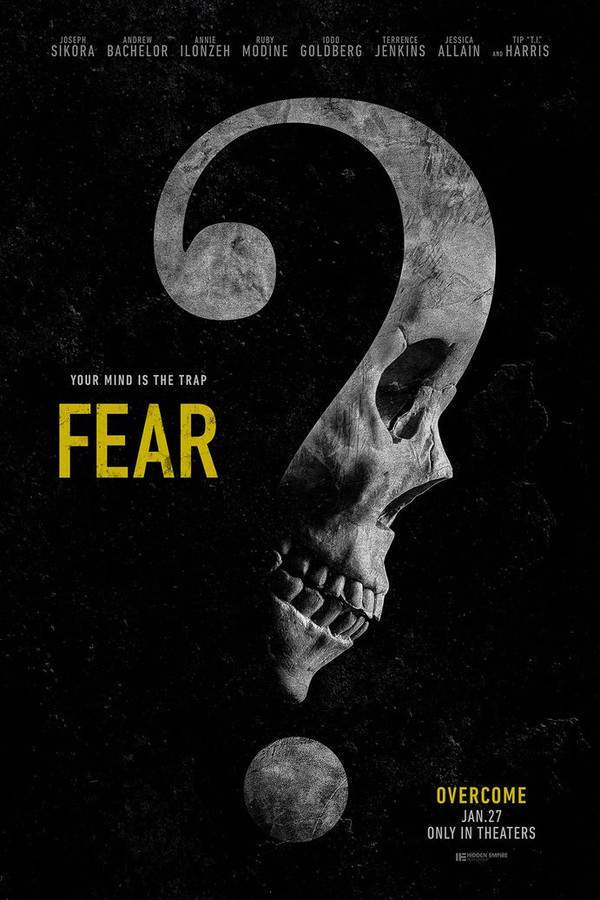
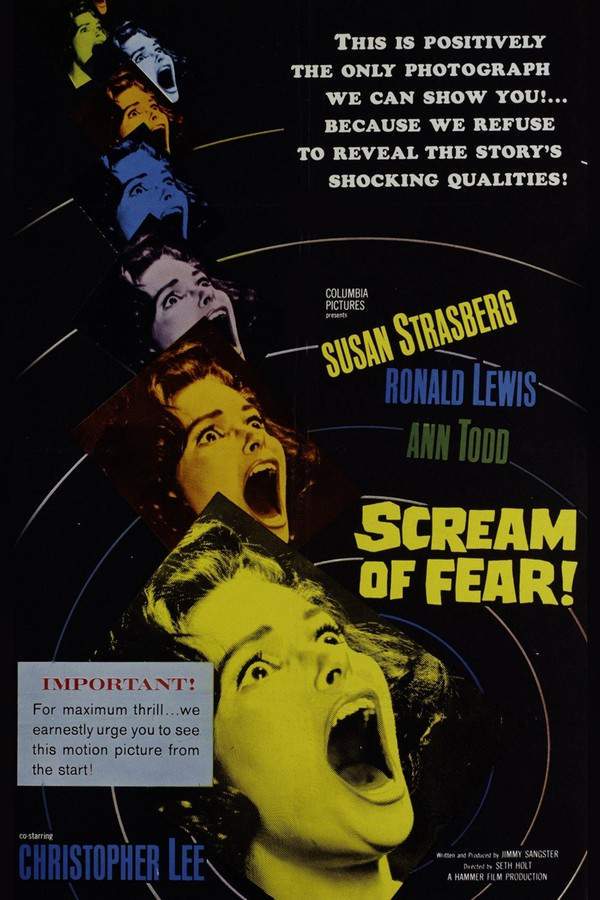
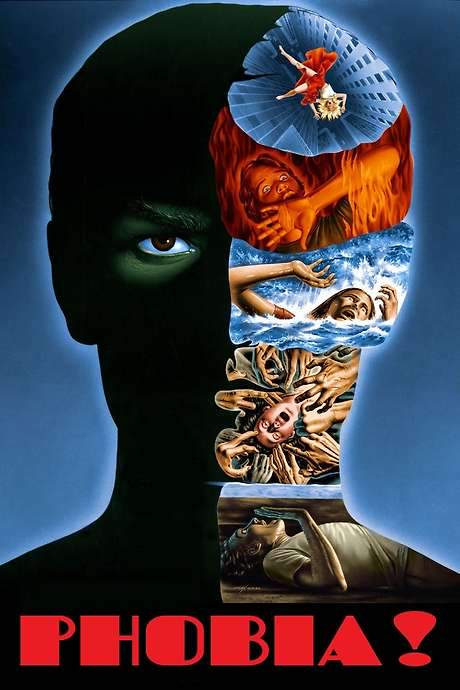
Similar Movies To Fear of Rain You Should Know About
Browse a curated list of movies similar in genre, tone, characters, or story structure. Discover new titles like the one you're watching, perfect for fans of related plots, vibes, or cinematic styles.









Quick Links: Summary, Cast, Ratings, More

What's After the Movie?
Not sure whether to stay after the credits? Find out!




Explore Our Movie Platform
New Movie Releases (2025)
Famous Movie Actors
Top Film Production Studios
Movie Plot Summaries & Endings
Major Movie Awards & Winners
Best Concert Films & Music Documentaries
Movie Collections and Curated Lists
© 2025 What's After the Movie. All rights reserved.