
The Guide to the Perfect Family 2021

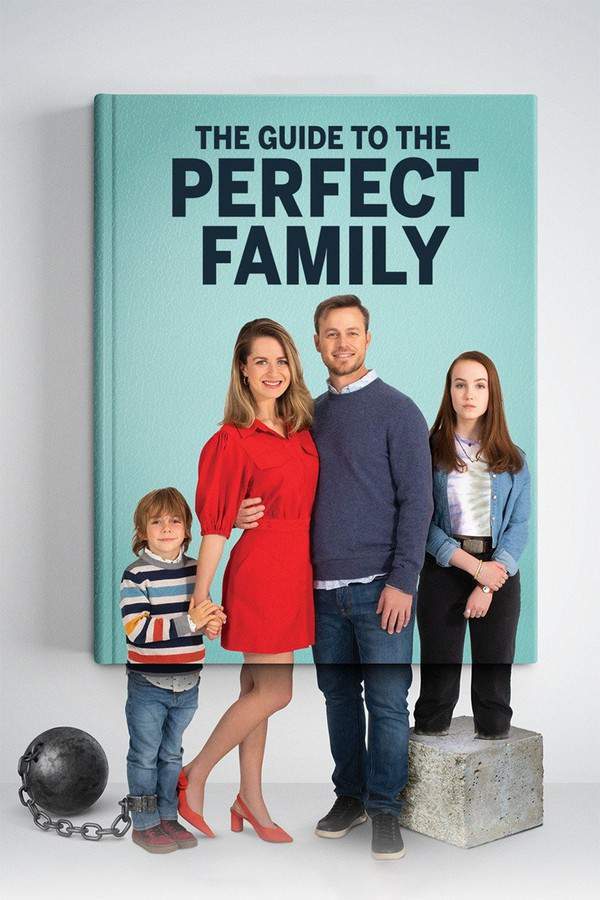
Set in Quebec City, this film explores the challenges faced by a couple striving to create the ideal family. They grapple with the pressures of social media, the desire for their children to succeed, and the everyday ups and downs of raising a family in the modern world. The story humorously portrays their journey as they try to balance their aspirations with the realities of parenthood.


Does The Guide to the Perfect Family have end credit scenes?
No!
The Guide to the Perfect Family does not have end credit scenes. You can leave when the credits roll.
Meet the Full Cast and Actors of The Guide to the Perfect Family
Explore the complete cast of The Guide to the Perfect Family, including both lead and supporting actors. Learn who plays each character, discover their past roles and achievements, and find out what makes this ensemble cast stand out in the world of film and television.






External Links and Streaming Options
Discover where to watch The Guide to the Perfect Family online, including streaming platforms, rental options, and official sources. Compare reviews, ratings, and in-depth movie information across sites like IMDb, TMDb, Wikipedia or Rotten Tomatoes.










Ratings and Reviews for The Guide to the Perfect Family
See how The Guide to the Perfect Family is rated across major platforms like IMDb, Metacritic, and TMDb. Compare audience scores and critic reviews to understand where The Guide to the Perfect Family stands among top-rated movies in its genre.

The Movie Echo Score
The film presents a well‑crafted visual style and strong performances, but its narrative unevenness limits its impact. Critics note tonal shifts and an unfocused plot, while many viewers appreciate the realistic portrayal of modern family dynamics. The direction and editing receive praise, yet the story’s pacing and ambiguous ending divide opinion. Consequently, the movie offers an engaging, if imperfect, study of contemporary relationships, resulting in a modestly positive overall reception.
The Movie Echo Score Breakdown for The Guide to the Perfect Family

Art & Craft
In terms of direction and production design, the film excels with a beautiful visual palette and thoughtful framing. Reviewers highlight the art director’s effective use of color and composition, while the director’s reputation for meticulous craftsmanship is noted as elevating the material. Editing is described as crisp and supportive of emotional beats. Overall, the artistic execution is a clear strength of the work.

Character & Emotion
When evaluating acting and character depth, reviewers consistently commend the believable performances and nuanced portrayals. Multiple comments praise the cast’s ability to convey intergenerational tension and authentic emotional resonance. The chemistry among family members is described as compelling, and the psychological realism of parental archetypes adds layers to the narrative. Consequently, character work stands out as a notable positive element.

Story & Flow
Regarding plot cohesion and pacing, opinions are mixed. Some viewers find the story realistic and engaging, appreciating its commentary on modern family challenges. Others note a lack of clear resolution and predictability, describing the narrative as unfocused and occasionally disjointed. The tonal balance between drama and comedy is cited as uneven, leading to divergent assessments of the film’s overall storytelling effectiveness.

Sensory Experience
The sensory experience receives moderate commendation. Visual style is praised for its beautiful art direction and cohesive color choices, contributing to an emotional atmosphere. However, reviewers offer limited commentary on sound design or musical score, suggesting they are unremarkable. The overall sensory impact supports the narrative but does not significantly elevate the film beyond its thematic strengths.

Rewatch Factor
Rewatch value is described as fairly strong, with several viewers noting lasting relevance and the film’s capacity to provoke reflection on parental roles. The realistic portrayal and emotional depth encourage repeat viewings to uncover nuanced dynamics. Nonetheless, the ambiguous ending and occasional narrative unevenness may deter some audiences from a full second viewing, tempering overall rewatch enthusiasm.

6.4 /10
IMDb Rating

65
%
User Score

2.8

2.00/5
From 7 fan ratings
Full Plot Summary and Ending Explained for The Guide to the Perfect Family
Read the complete plot summary of The Guide to the Perfect Family, including all major events, twists, and the full ending explained in detail. Explore key characters, themes, hidden meanings, and everything you need to understand the story from beginning to end.
Rose Dubois, Emilie Bierre, is a bright yet heavily pressured high-school student who must juggle dance, hockey, and tutoring sessions, all under the stern gaze of her father, Martin Dubois, Louis Morissette. He believes that every choice in Grade 11 will shape her future, warning that failure could land her in low-wage work, like a cashier at a convenience store. The weight of his expectations looms large as Rose moves through a world where performance is not just encouraged, it is demanded.
Pier-Luc Roy, Jean-Carl Boucher, enters the picture as a new hire who is the son of a colleague. He is introduced with a blunt self-assessment: “I don’t work under pressure.” The truth, however, is more nuanced: he is driven to achieve, but he hates heavy workloads and resists repercussions from his supervisor. This clash of work ethic and pressure sets up a tension that soon has real consequences, as Martin ends up losing a significant promotion after a major contract falls under Pier-Luc’s responsibility.
The family pressure does not stay confined to Rose’s academic life. After school, she faces relentless reminders from her father about the path he wants for her—dance and hockey practice, tutoring, and above all, stellar performance in Grade 11. The message is clear: success now is the gatekeeper to a secure future. In this high-pressure environment, Rose makes harmful choices to cope with the strain, turning to drugs and trading for past exam papers in an attempt to stay ahead and meet the impossible standard set for her.
As exams draw near, Martin proposes a weekend getaway to visit Rose’s grandparents by a lake in the woods, hoping the time away will help them reconnect. What starts as a hopeful effort to mend their strained relationship soon tests the boundaries of their bond. A conflict erupts during an activity that initially promises to be a bonding moment, and Rose uses the opportunity to voice a painful truth: she feels she never lives up to her father’s aspirations.
Returning to the city, Rose ends up living with her mother, Caroline, a shift that compounds the emotional strain inside the family. During a mother-daughter evening, Rose slips back into her old routine of hiding her struggles. She goes back to their apartment, drinks a bottle of wine, and takes a large number of pills she finds in a cupboard after secretly checking her final exams online. The morning after, Caroline finds her daughter unconscious in the bathroom, and an ambulance is summoned to rush her to the hospital.
Rose pulls through the crisis, and mother and daughter share apologies and a fragile sense of reconciliation. She eventually goes back home with Martin, and the family begins to face the road ahead with a renewed, albeit cautious, sense of contact. In a quiet moment at a park not long after, the trio—father, daughter, and little brother Mathis—go for ice cream. Mathis, Thomas Vallieres, heads toward the swings, trips, and falls. Rose tells Martin to let the boy learn on his own, a small but telling gesture about growing up and letting life’s mishaps teach through experience rather than overprotection.

Watch Trailers, Clips & Behind-the-Scenes for The Guide to the Perfect Family
Watch official trailers, exclusive clips, cast interviews, and behind-the-scenes footage from The Guide to the Perfect Family. Dive deeper into the making of the film, its standout moments, and key production insights.
The Guide to the Perfect Family Themes and Keywords
Discover the central themes, ideas, and keywords that define the movie’s story, tone, and message. Analyze the film’s deeper meanings, genre influences, and recurring concepts.
The Guide to the Perfect Family Other Names and Titles
Explore the various alternative titles, translations, and other names used for The Guide to the Perfect Family across different regions and languages. Understand how the film is marketed and recognized worldwide.
Similar Movies To The Guide to the Perfect Family You Should Know About
Browse a curated list of movies similar in genre, tone, characters, or story structure. Discover new titles like the one you're watching, perfect for fans of related plots, vibes, or cinematic styles.






Quick Links: Summary, Cast, Ratings, More

What's After the Movie?
Not sure whether to stay after the credits? Find out!




Explore Our Movie Platform
New Movie Releases (2026)
Famous Movie Actors
Top Film Production Studios
Movie Plot Summaries & Endings
Major Movie Awards & Winners
Best Concert Films & Music Documentaries
Movie Collections and Curated Lists
© 2026 What's After the Movie. All rights reserved.