
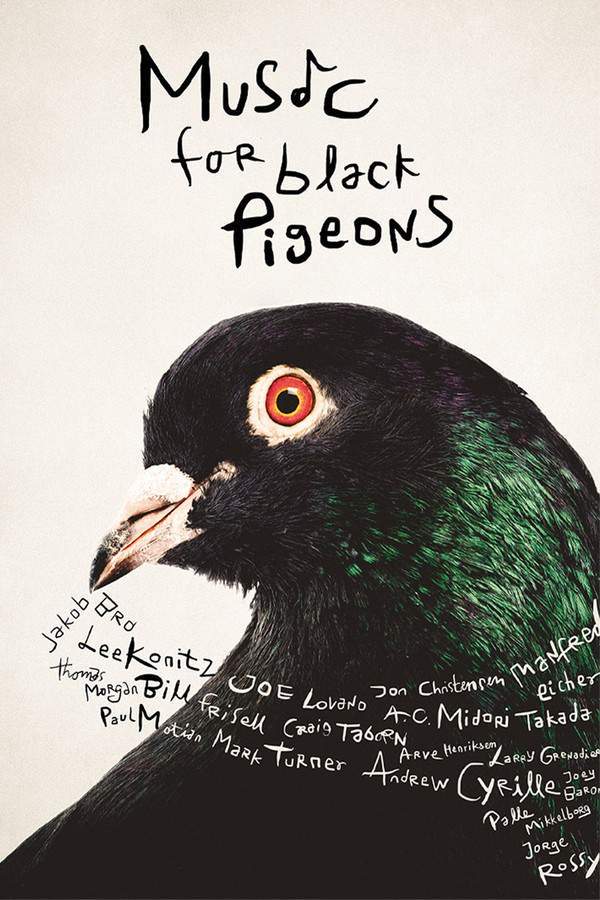
Music for Black Pigeons 2024

Directed by
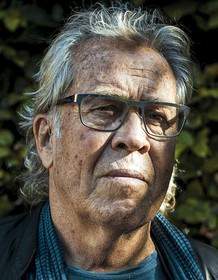
Jørgen Leth
Made by
Ánorâk Film Denmark
Music for Black Pigeons Plot Summary
Read the complete plot summary and ending explained for Music for Black Pigeons (2024). From turning points to emotional moments, uncover what really happened and why it matters.
From the creative minds of Jørgen Leth and Andreas Koefoed, Music for Black Pigeons is a compelling cinematic documentary that delves into the intricate lives and artistic processes of some of the globe’s most celebrated jazz musicians, including Jakob Bro, Bill Frisell, Lee Konitz, Paul Motian, and Midori Takada.
Spanning across North America, Europe, and Japan, the film chronicles a 14-year journey alongside Danish composer Jakob Bro, capturing his musical interactions with artists of varying generations and nationalities. The documentary reveals that Music for Black Pigeons draws inspiration not only from the diverse and unique approaches of these distinguished musicians but also from the incredible energy and bond formed through their collaborations.
Employing the traditional jazz practice of simply “letting the tape roll,” directors Leth and Koefoed create a space for intimate, improvisational magic to unfold between innovators of experimental music recorded in revered studios in New York, Copenhagen, and Lugano.
This film features electrifying live jams interspersed with insightful profiles of participants, such as acclaimed jazz saxophonist Mark Turner, the avant-garde rhythms of drummers Joey Baron and Andrew Cyrille, the innovative double bassist Thomas Morgan, and the wildly prolific founder of ECM Records, Manfred Eicher.
As Leth and Koefoed were fortunate to capture some of the final performances of various musicians who, sadly, passed away during filming, the documentary serves as a heartfelt tribute to these groundbreaking artists who have since departed. By documenting the intimate processes shared among its eclectic ensemble, Music for Black Pigeons solidifies a rich legacy for future generations of musicians and jazz enthusiasts alike.
Music for Black Pigeons Timeline
Follow the complete movie timeline of Music for Black Pigeons (2024) with every major event in chronological order. Great for understanding complex plots and story progression.
Beginning of the Journey
The film *Music for Black Pigeons* begins its exploration of jazz by introducing Danish composer Jakob Bro. This marks the start of a 14-year journey where Bro interacts with a diverse range of jazz musicians across the globe, setting the stage for an in-depth documentary.
Introduction to Key Musicians
Throughout the documentary, viewers are introduced to celebrated musicians such as Bill Frisell, Lee Konitz, and Midori Takada. Each artist brings their own unique style, adding to the rich tapestry of jazz that the film seeks to portray.
Collaborations Begin
As Jakob Bro collaborates with different artists, the film delves into the intricate dynamics of their musical interactions. The directors capture moments where improvisation flourishes, illustrating the essence of jazz through spontaneous creativity.
Capturing Live Jams
The filmmakers employ the traditional jazz practice of simply 'letting the tape roll', which allows for heartfelt live jams to be recorded. These performances showcase the synergy between musicians, highlighting their ability to connect through music.
Revered Studios
The documentary is filmed in prestigious studios located in New York, Copenhagen, and Lugano. These settings not only enhance the music's quality but also provide an atmosphere that reverberates with jazz history.
Featuring Modern Jazz Innovators
A host of modern jazz innovators are featured, including saxophonist Mark Turner and drummers Joey Baron and Andrew Cyrille. Their contributions provide insights into contemporary jazz and the artistry behind improvisation.
Legacy of ECM Records
The film introduces Manfred Eicher, founder of ECM Records, showcasing his influence on the jazz genre. Eicher’s vision and dedication to musical excellence transcend generations, emphasizing the importance of preserving jazz's legacy.
Tribute to Fallen Musicians
During the production of *Music for Black Pigeons*, the directors were fortunate yet saddened to capture the final performances of several musicians who passed away. This poignant element of the film serves as a tribute, reminding viewers of the fleeting nature of artistic brilliance.
Artistic Processes Unveiled
The documentary reveals the intimate artistic processes shared among the musicians. By exploring their interactions, it captures the deep emotional and creative bonds that form during the collaborative process.
Inspiration from Diverse Approaches
As the film progresses, it showcases how the diverse backgrounds and techniques of the featured musicians inspire one another. These exchanges highlight the beauty of cross-pollination in jazz music and its evolution over time.
Culmination of the Journey
The culmination of the filmmakers' 14-year journey allows viewers to experience a comprehensive panorama of jazz. The documentary not only relates the stories of individual musicians but also conveys the collective spirit of the jazz community.
Impact on Future Generations
As *Music for Black Pigeons* concludes, it reflects on the impact the featured musicians have had on future generations. The intimate portrayals and shared moments leave an indelible mark on the world of jazz, inspiring upcoming artists and enthusiasts.
Music for Black Pigeons Characters
Explore all characters from Music for Black Pigeons (2024). Get detailed profiles with their roles, arcs, and key relationships explained.
Jakob Bro
Jakob Bro is a Danish composer and guitarist known for his collaborative spirit and unique sound. Throughout the film, he acts as a connecting force among various musicians, amplifying their artistic visions. His ability to blend different styles and influences makes him a central figure in the jazz narrative presented.
Bill Frisell
Bill Frisell is an acclaimed American guitarist whose innovative playing style has redefined jazz guitar. In *Music for Black Pigeons*, his contributions enrich the collaborative atmosphere, showcasing his ability to fuse genres. Frisell's presence in the documentary emphasizes the bridging of traditional roots with modern experimentation.
Lee Konitz
Lee Konitz is a legendary saxophonist celebrated for his lyrical improvisation and distinct tone. His participation in the film not only highlights his impact on the jazz genre but also the poignant moments captured as he reflects on his lengthy career. He serves as an embodiment of the rich history of jazz music.
Mark Turner
Mark Turner is a prominent jazz saxophonist known for his innovative approach to harmony and improvisation. His insightful profile featured in the film demonstrates his technical proficiency and artistic depth. Turner brings a fresh perspective to the collaborative nature of jazz explored in the documentary.
Paul Motian
Paul Motian was a visionary drummer whose innovative style helped shape modern jazz. In *Music for Black Pigeons*, his unique rhythmic sensibilities are showcased, illustrating his influence on both peers and younger musicians alike. His presence in the film serves as a testament to his lasting legacy.
Midori Takada
Midori Takada is a renowned percussionist and composer recognized for her contributions to experimental music. Her distinct sound and innovative use of rhythm add a unique dimension to the documentary. Takada's involvement emphasizes the cross-cultural exchange within the jazz community.
Music for Black Pigeons Settings
Learn where and when Music for Black Pigeons (2024) takes place. Explore the film’s settings, era, and how they shape the narrative.
Time period
14-year journey
The documentary chronicles a significant 14-year journey in the world of jazz, capturing the evolution of artistic expressions over time. This period reflects a dynamic phase in jazz music, where traditional influences meet innovative approaches. It allows an exploration of how music evolves alongside the life experiences of its creators.
Location
North America, Europe, Japan, New York, Copenhagen, Lugano
The film takes viewers across North America, Europe, and Japan, showcasing the vibrant scenes of jazz culture in these regions. Notable cities featured include New York, known for its historic jazz venues; Copenhagen, a hub for creative jazz exploration; and Lugano, which adds an international flavor to the narrative. Each location contributes to the rich tapestry of musical experiences and collaborations presented in the documentary.
Music for Black Pigeons Themes
Discover the main themes in Music for Black Pigeons (2024). Analyze the deeper meanings, emotional layers, and social commentary behind the film.
🎶
Collaboration
The theme of collaboration is central to *Music for Black Pigeons*, illustrating the powerful connections formed between diverse artists. Through their shared improvisational practices, these musicians create a communal bond that enhances their creativity. This documentary highlights how collaboration can lead to remarkable interactions that transcend cultural boundaries.
💔
Legacy
As some musicians captured in the film have passed away, the theme of legacy resonates strongly. The documentary serves as a tribute to their contributions to jazz, preserving their artistry for future generations. It underscores the importance of remembering those who have influenced the music world and the impact they leave behind.
✨
Improvisation
Improvisation stands as a vital theme throughout the film, representing the essence of jazz music. The filmmakers embrace the traditional jazz practice of 'letting the tape roll,' allowing spontaneity and creativity to flourish. This approach highlights the unpredictable nature of live performance and the magic that can occur in real-time.

Music for Black Pigeons Spoiler-Free Summary
Discover the spoiler-free summary of Music for Black Pigeons (2024). Get a concise overview without any spoilers.
In the hushed corners of studios that have hosted legends for generations, Jakob Bro drifts between continents, tracing the invisible threads that bind improvisation to emotion. The film follows his wanderings through New York, Copenhagen and Lugano, where the air seems to vibrate with unfinished melodies, and every quiet conversation feels like a prelude to a new sonic revelation. As a composer constantly searching for fresh language, he becomes both observer and participant, inviting the camera to linger on moments when a single note can convey a lifetime of feeling.
Guided by the patient eyes of directors Jørgen Leth and Andreas Koefoed, the documentary adopts a “let the tape roll” philosophy, allowing spontaneous collaboration to unfold without interference. This approach creates a contemplative, almost meditative tone, where the rhythm of daily rehearsals and late‑night jam sessions forms the heartbeat of the film. The atmosphere is warm and intimate, punctuated by the crackle of analog tape and the soft glow of studio lights, evoking a world where the creative process is as compelling as the music itself.
Around Jakob Bro swirl a constellation of revered artists—Bill Frisell, Lee Konitz, Paul Motian, Midori Takada—each bringing their distinct voice to a shared space. Their interactions, marked by respectful curiosity and unspoken dialogue, hint at a deeper communion that transcends geography and generation. The presence of younger innovators like Mark Turner and seasoned veterans such as Manfred Eicher reinforces the film’s sense of continuity, suggesting that the lineage of jazz is a living, breathing conversation.
The result is a portrait of a community bound by the restless pursuit of expression, where the act of listening becomes an act of reverence. Music for Black Pigeons invites viewers to sit beside these creators, feel the tension between silence and sound, and sense the profound, uncharted territories that lie just beyond the next improvisational phrase.
Featured on this page

What's After the Movie?
Not sure whether to stay after the credits? Find out!




Explore Our Movie Platform
New Movie Releases (2026)
Famous Movie Actors
Top Film Production Studios
Movie Plot Summaries & Endings
Major Movie Awards & Winners
Best Concert Films & Music Documentaries
Movie Collections and Curated Lists
© 2026 What's After the Movie. All rights reserved.