
What's After the Movie
Davide Ferrario
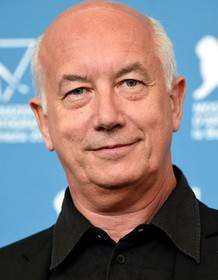
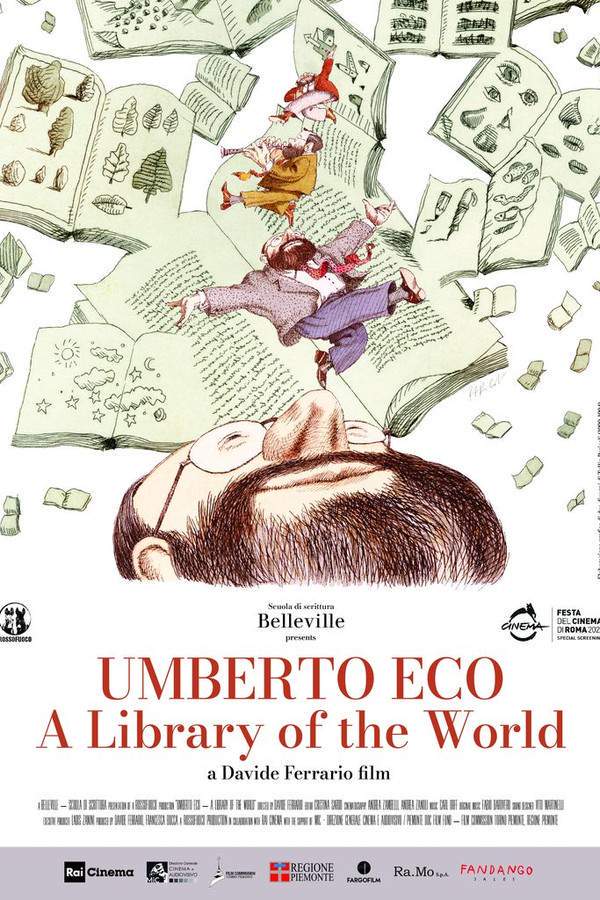
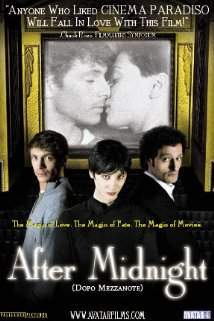
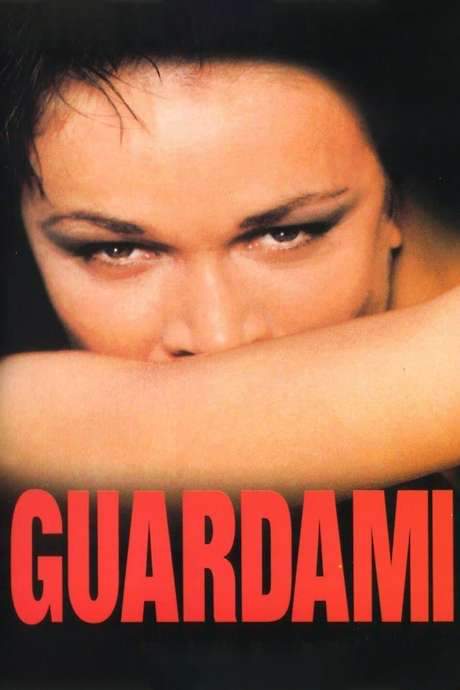
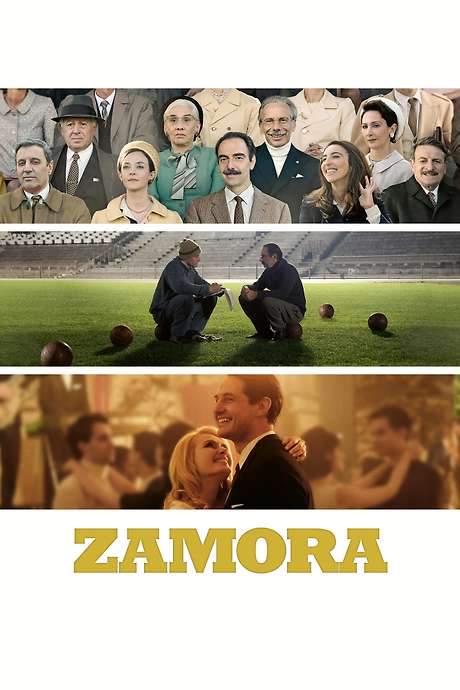
Davide Ferrario, born on 26 June 1956 in Casalmaggiore, Cremona, Italy, emerged from an academic background in Anglo‑American literature to become a pivotal figure in Italian independent cinema. After graduating, he entered the world of film distribution, where he championed the works of avant‑garde and indie auteurs such as John Sayles, Jim Jarmusch, Susan Seidelman, and Godfrey Reggio, introducing their visionary narratives to Italian audiences. Simultaneously, Ferrario contributed incisive criticism to the acclaimed magazine Cineforum and authored a scholarly monograph on the legendary German filmmaker Rainer Werner Fassbinder, cementing his reputation as both a cultural mediator and an intellectual. His early immersion in cinematic theory and practice naturally progressed to screenwriting collaborations, which paved the way for his directorial debut in 1987 with the short film Non date da mangiare agli animali, a work that hinted at his later fascination with noir aesthetics and moral ambiguity. In 1989 he unveiled his first feature, the neo‑noir The End of the Night, a film that garnered attention for its gritty visual style and complex character studies, establishing Ferrario as a director unafraid to explore the darker corners of human experience. In the following decade, Ferrario expanded his oeuvre with titles such as Love Burns (1994), We All Fall Down (1997), and Children of Hannibal (1998), each film reflecting his evolving narrative sensibilities and his commitment to blending genre conventions with social commentary. The 2004 Berlin International Film Festival marked a high point when his thriller After Midnight entered the Forum section, earning both the Caligari Film Prize and the Don Quixote Award, recognitions that underscored his artistry on an international stage. Beyond the screen, Ferrario ventured into literature, publishing his debut novel Dissolvenza al nero in 1995, a work that later inspired Oliver Parker’s film Fade to Black, thereby illustrating his interdisciplinary impact across film and prose. Recent projects such as Blood on the Crown (2021) and Umberto Eco – La biblioteca del mondo (2022) demonstrate his continued relevance and his enduring passion for exploring cultural and historical narratives through cinema.
Biography, Career & Filmography
Learn more about Davide Ferrario, including a detailed biography, career timeline, personal life insights, and complete filmography. Discover how Davide Ferrario rose to fame, their major roles, industry impact, and personal milestones in the world of film.
Given Name: Davide Ferrario
Born: Casalmaggiore, Cremona, Italy
Citizenship: Italian
Birthday: June 26, 1956
Occupations: film director, screenwriter, author
Years Active: 1987-present
External Links and Streaming Options
Explore more about on trusted external platforms like Metacritic, TMDb, Rotten Tomatoes or Wikipedia. Find additional details, reviews, and related content to deepen your understanding.









Career Timeline
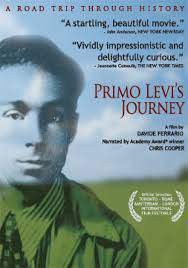
Track the complete movie timeline of Davide Ferrario, including all film releases, career breakthroughs, and notable roles. Follow their journey from early performances to recent blockbusters and upcoming projects.

What's After the Movie?
Not sure whether to stay after the credits? Find out!




Explore Our Movie Platform
New Movie Releases (2026)
Famous Movie Actors
Top Film Production Studios
Movie Plot Summaries & Endings
Major Movie Awards & Winners
Best Concert Films & Music Documentaries
Movie Collections and Curated Lists
© 2026 What's After the Movie. All rights reserved.