
What's After the Movie
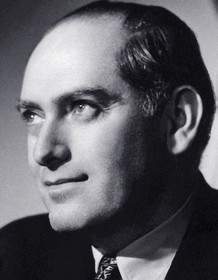
Emeric Pressburger
Emeric Pressburger (born Imre József Pressburger on 5 December 1902 in Miskolc, then part of Austria‑Hungary) was a Hungarian‑British screenwriter, director and producer whose career spanned the golden age of European cinema. He grew up as the only son of estate manager Kálmán Pressburger and his second wife Kätherina Wichs, attending a boarding school in Temesvár where he excelled in mathematics, literature and music before studying engineering at the universities of Prague and Stuttgart. The death of his father forced him to abandon his studies and turn to journalism, a trade that soon led him to the bustling film studios of UFA in Berlin in 1926. As the Nazis rose to power, Pressburger was expelled from UFA because of his Jewish heritage and escaped to Paris, where he continued writing scripts for multilingual productions. In 1935 he arrived in Britain as a stateless refugee, anglicising his name to Emeric in 1938 and gaining British citizenship in 1946. His early work displayed a mastery of narrative structure and an ear for music, qualities that would define his later collaborations. Pressburger's fluency in several languages and his background in engineering gave him a meticulous approach to film construction, while his personal love of French cuisine and Arsenal F.C. added colour to his private life.
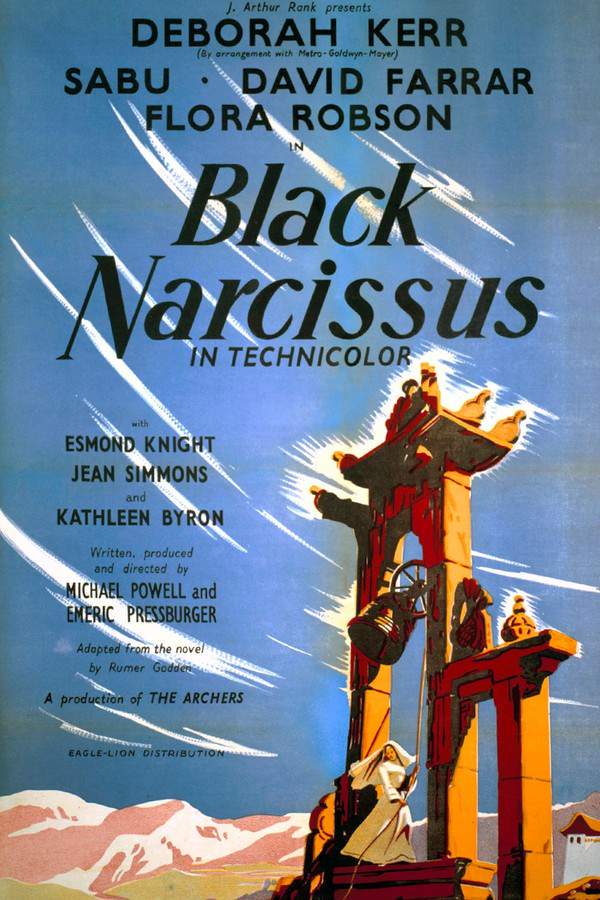
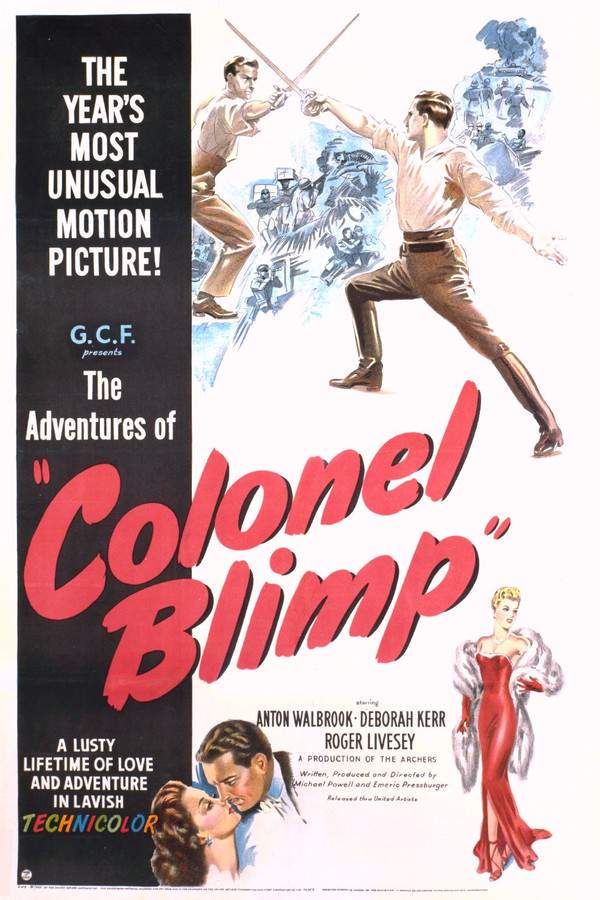
The partnership with director Michael Powell, formed after Pressburger was hired by Alexander Korda to polish The Spy in Black (1939), produced a series of classics known collectively as the Archers. Together they wrote and produced such landmark films as 49th Parallel (1941), The Life and Death of Colonel Blimp (1943), A Matter of Life and Death (1946), Black Narcissus (1947), The Red Shoes (1948) and The Tales of Hoffmann (1951). Pressburger supplied original story ideas, handled much of the production and editing, and even influenced the musical choices, reflecting his own musical training. After the mid‑1950s the duo amicably pursued separate projects, with Pressburger directing Miracle in Soho (1957) and later writing under the pseudonym “Richard Imrie”. He also authored two novels, Killing a Mouse on a Sunday (1961) and The Glass Pearls (1966), the latter later recognised as a significant work of Holocaust literature. He married Ági Donáth in 1938 (divorced 1941) and Wendy Orme in 1947, fathering two children, one of whom survived to become the mother of acclaimed filmmakers Andrew and Kevin Macdonald. Pressburger died on 5 February 1988 in Saxtead, England, and is remembered for his lyrical storytelling, technical brilliance and his indelible impact on British cinema.
Biography, Career & Filmography
Learn more about Emeric Pressburger, including a detailed biography, career timeline, personal life insights, and complete filmography. Discover how Emeric Pressburger rose to fame, their major roles, industry impact, and personal milestones in the world of film.
Given Name: Imre József Pressburger
Born: Miskolc, Austria-Hungary (now Hungary)
Citizenship: Hungarian, British
Birthday: December 5, 1902
Occupations: Screenwriter, Producer, Director, Novelist
Years Active: 1926-1972
Children: 2
Spouses: Ági Donáth, Wendy Orme
External Links and Streaming Options
Explore more about on trusted external platforms like Metacritic, Rotten Tomatoes, IMDb or Wikipedia. Find additional details, reviews, and related content to deepen your understanding.





Black Narcissus
The Life and Death of Colonel Blimp (1945)

A Pretty British Affair

The Red Shoes

A Matter of Life and Death

Oh… Rosalinda!!

Gone to Earth

The Tales of Hoffmann

The Battle of the River Plate

I Know Where I’m Going!

Ill Met by Moonlight

One of Our Aircraft Is Missing

The Small Back Room

A Canterbury Tale

The Elusive Pimpernel
Career Timeline
Track the complete movie timeline of Emeric Pressburger, including all film releases, career breakthroughs, and notable roles. Follow their journey from early performances to recent blockbusters and upcoming projects.

What's After the Movie?
Not sure whether to stay after the credits? Find out!




Explore Our Movie Platform
New Movie Releases (2026)
Famous Movie Actors
Top Film Production Studios
Movie Plot Summaries & Endings
Major Movie Awards & Winners
Best Concert Films & Music Documentaries
Movie Collections and Curated Lists
© 2026 What's After the Movie. All rights reserved.