

What's After the Movie
Georges Franju
Georges Franju was a French filmmaker whose career spanned from the mid‑1930s to the late 1970s, leaving an indelible mark on both documentary and horror cinema. Born on 12 April 1912 in Fougères, Ille‑et‑Vilaine, he initially worked in an insurance office and a noodle factory before a brief military stint in Algeria and formal training as a set designer, where he crafted backdrops for famed Parisian venues such as the Casino de Paris and the Folies Bergère. In the mid‑1930s he forged a lifelong partnership with Henri Langlois, co‑founding the short‑lived film magazine Le Cercle du Cinéma and, most importantly, the Cinémathèque Française in 1936, an institution that would become a cornerstone of French film preservation. Franju’s early directorial work consisted of a series of stark documentaries, beginning with the graphic Le Sang des Bêtes (The Blood of Beasts, 1949), which exposed the brutal reality of a Paris slaughterhouse, followed by government‑commissioned pieces such as En Passant par la Lorraine (1950) and Hôtel des Invalides (1951), all of which reveal his fascination with the grotesque undercurrents of modernity. Transitioning to fiction, he directed La tête contre les murs (1958) and achieved international notoriety with the chilling horror classic Les Yeux sans visage (Eyes Without a Face, 1960), a film that blends scientific documentary aesthetics with surrealist horror to explore themes of identity, trauma, and the limits of technology. His 1963 homage Judex celebrated silent‑era serials, while later projects became increasingly scarce as he assumed the honorary artistic directorship of the Cinémathèque in the 1980s. He continued to experiment with short films and occasional television work, maintaining his signature blend of haunting imagery and lyrical narration. In the late 1970s he largely withdrew from filmmaking to focus on curatorial responsibilities, guiding the Cinémathèque through a period of renewal. Franju passed away in Paris on 5 November 1987, leaving behind a body of work that continues to inspire directors interested in the intersection of horror and documentary realism. Critics such as Claire Clouzot have described his style as a “poignant fantastic realism” rooted in surrealism, expressionist cinema, and the scientific films of Jean Painlevé, and his legacy endures through his daring visual language that continually challenges viewers to confront the uncanny within everyday life.
Biography, Career & Filmography
Learn more about Georges Franju, including a detailed biography, career timeline, personal life insights, and complete filmography. Discover how Georges Franju rose to fame, their major roles, industry impact, and personal milestones in the world of film.
Given Name: Georges Franju
Born: Fougères, France
Citizenship: French
Birthday: April 12, 1912
Occupations: Director, screenwriter
Years Active: 1934, 1949-1978
External Links and Streaming Options
Explore more about on trusted external platforms like Metacritic, Rotten Tomatoes, TMDb or Wikipedia. Find additional details, reviews, and related content to deepen your understanding.





![Eyes Without a Face [re-release]](https://whats-after-the-movie-ti152.sevalla.storage/movies/eyes-without-a-face.jpg)
Eyes Without a Face [re-release]

Aznavour by Charles
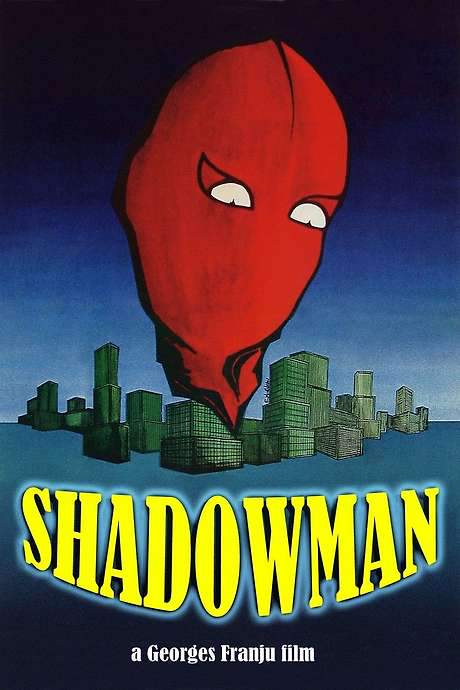
Shadowman

Spotlight on a Murderer

Monsieur et Madame Curie
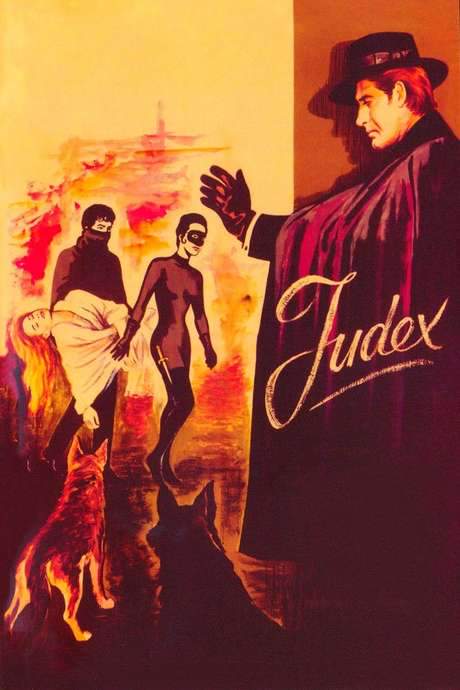
Judex

La Nouvelle Vague par elle-même

Head Against the Wall

Mon chien

The First Night

Dust of Life
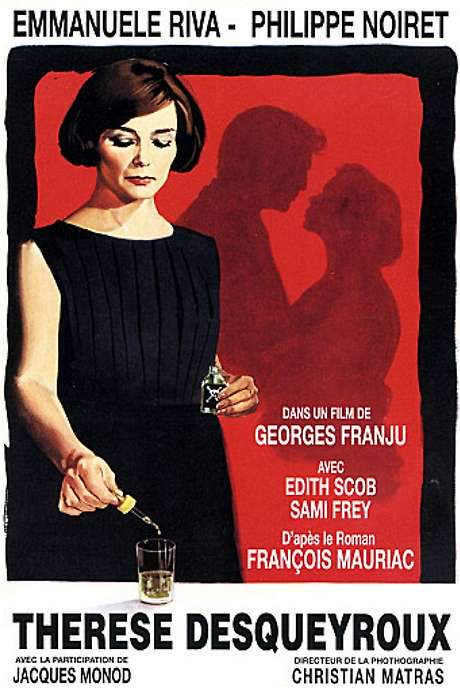
Therese

Georges Franju - Le visionnaire

Le Grand Méliès

Hôtel des Invalides

Blood of the Beasts

The Demise of Father Mouret

Eyes Without a Face

Passing through Lorraine

The Shadow Line
Career Timeline
Track the complete movie timeline of Georges Franju, including all film releases, career breakthroughs, and notable roles. Follow their journey from early performances to recent blockbusters and upcoming projects.

What's After the Movie?
Not sure whether to stay after the credits? Find out!




Explore Our Movie Platform
New Movie Releases (2026)
Famous Movie Actors
Top Film Production Studios
Movie Plot Summaries & Endings
Major Movie Awards & Winners
Best Concert Films & Music Documentaries
Movie Collections and Curated Lists
© 2026 What's After the Movie. All rights reserved.