

What's After the Movie
Veiko Õunpuu
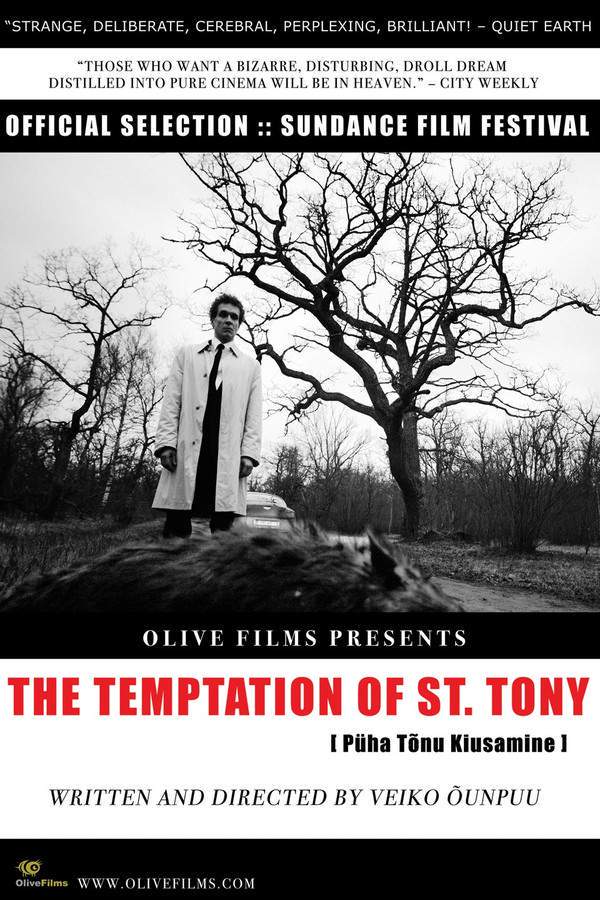
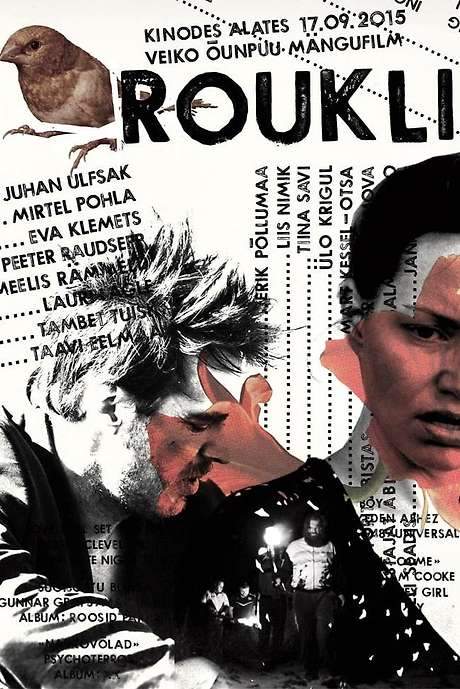
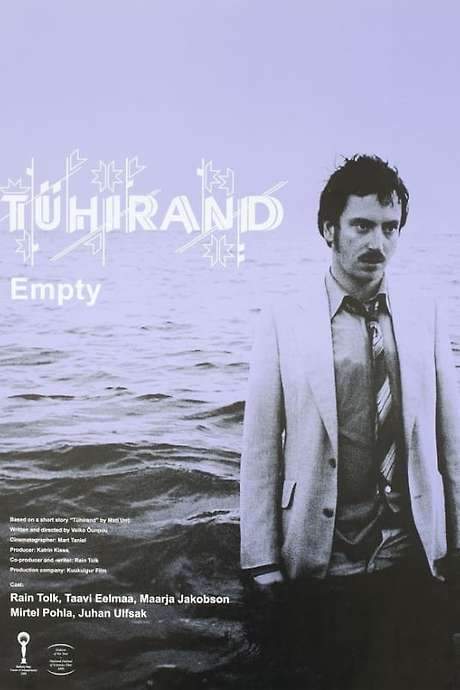
Veiko Õunpuu (born 16 March 1972 in Saaremaa, Estonia) is an acclaimed Estonian film director and screenwriter whose work is distinguished by a deliberately slow‑paced, lyrical style and a fascination with eccentric, often marginalized characters; his cinematic voice emerged in the mid‑2000s and quickly earned international attention. After directing the independent short Empty (2006) he adapted Mati Unt's novel into the feature Autumn Ball (2007), a film that won the Horizon Award at the 64th Venice International Film Festival and remains the most prestigious accolade ever received by an Estonian film on the world stage. Autumn Ball introduced audiences to Õunpuu's ability to blend melancholy with poetic realism, portraying the intimate lives of residents in a Soviet‑era apartment block with a visual subtlety that earned critical praise across Europe. In 2009 he followed with The Temptation of St. Tony (Püha Tõnu kiusamine), a surreal drama that screened at Sundance and was selected as Estonia's submission for the Academy Award for Best Foreign Language Film at the 83rd Oscars, reflecting his growing reputation as a bold storyteller unafraid of allegorical complexity. The film also garnered a Grand Jury Prize nomination at Sundance and won a Special Mention at the East of West Festival, further cementing his status as a leading figure in contemporary art cinema. Õunpuu continued his exploration of existential themes with Free Range (2013), which premiered at the Berlin International Film Festival and served as Estonia's entry for the 86th Academy Awards, showcasing his continued commitment to pushing narrative boundaries. His fourth feature, Roukli (2015), debuted at the Tokyo International Film Festival, adding a layer of introspection about personal freedom and societal expectations to his oeuvre. Beyond film, Õunpuu has directed stage productions for Tallinn’s NO99 theatre, including Fassbinder’s City, Garbage and Death (2010) and Brecht’s Mother Courage (2016), demonstrating his versatile command of both cinematic and theatrical languages. Throughout his career, spanning from 2006 to the present, he has remained a pivotal force in Estonia’s cultural export, consistently delivering works that challenge conventional storytelling while resonating with universal human concerns. His films are celebrated not only for their aesthetic richness but also for their capacity to evoke deep emotional reflection, making Veiko Õunpuu a singular voice in modern world cinema.
Biography, Career & Filmography
Learn more about Veiko Õunpuu, including a detailed biography, career timeline, personal life insights, and complete filmography. Discover how Veiko Õunpuu rose to fame, their major roles, industry impact, and personal milestones in the world of film.
Given Name: Veiko Õunpuu
Born: Saaremaa, Estonia
Citizenship: Estonia
Birthday: March 16, 1972
Occupations: film director, screenwriter
Years Active: 2006-present
External Links and Streaming Options
Explore more about on trusted external platforms like TMDb, Rotten Tomatoes, IMDb or Wikipedia. Find additional details, reviews, and related content to deepen your understanding.







Career Timeline
Track the complete movie timeline of Veiko Õunpuu, including all film releases, career breakthroughs, and notable roles. Follow their journey from early performances to recent blockbusters and upcoming projects.

What's After the Movie?
Not sure whether to stay after the credits? Find out!




Explore Our Movie Platform
New Movie Releases (2025)
Famous Movie Actors
Top Film Production Studios
Movie Plot Summaries & Endings
Major Movie Awards & Winners
Best Concert Films & Music Documentaries
Movie Collections and Curated Lists
© 2025 What's After the Movie. All rights reserved.