
Kill the Messenger 2014

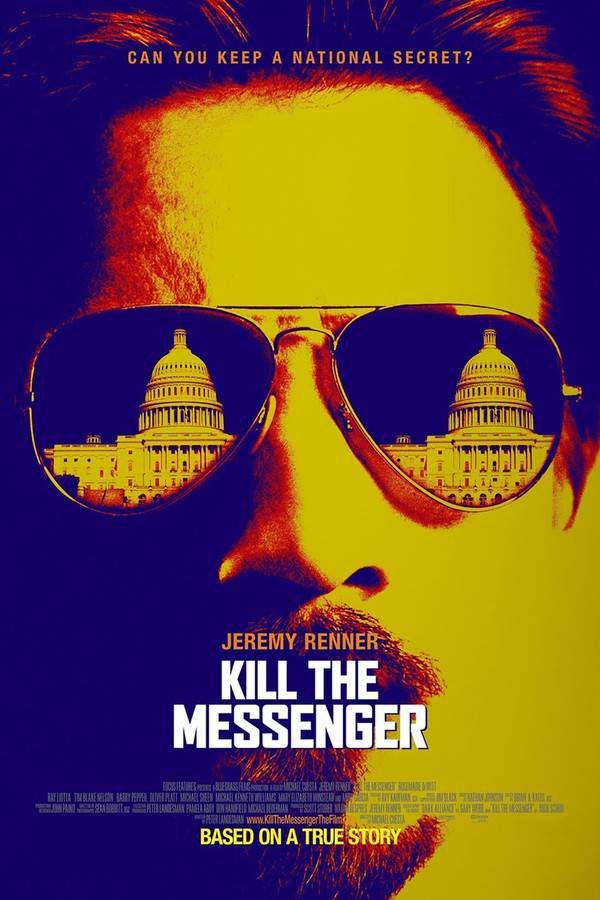
Investigative journalist Gary Webb’s relentless pursuit of a story leads him to uncover a disturbing connection between CIA-backed drug cartels and the crack epidemic’s impact on American communities. Facing intimidation and warnings as he digs deeper, Webb confronts a complex network of deceit and powerful forces determined to silence him. His determination to expose the truth places him in grave danger, forcing him to navigate a treacherous path fraught with risk.

Does Kill the Messenger have end credit scenes?
No!
Kill the Messenger does not have end credit scenes. You can leave when the credits roll.
Meet the Full Cast and Actors of Kill the Messenger
Explore the complete cast of Kill the Messenger, including both lead and supporting actors. Learn who plays each character, discover their past roles and achievements, and find out what makes this ensemble cast stand out in the world of film and television.
No actors found
External Links and Streaming Options
Discover where to watch Kill the Messenger online, including streaming platforms, rental options, and official sources. Compare reviews, ratings, and in-depth movie information across sites like IMDb, TMDb, Wikipedia or Rotten Tomatoes.











Ratings and Reviews for Kill the Messenger
See how Kill the Messenger is rated across major platforms like IMDb, Metacritic, and TMDb. Compare audience scores and critic reviews to understand where Kill the Messenger stands among top-rated movies in its genre.

60
Metascore
7.1
User Score


76%
TOMATOMETER

69%
User Score

6.9 /10
IMDb Rating

66
%
User Score

3.50/5
From 14 fan ratings
Take the Ultimate Kill the Messenger Movie Quiz
Challenge your knowledge of Kill the Messenger with this fun and interactive movie quiz. Test yourself on key plot points, iconic characters, hidden details, and memorable moments to see how well you really know the film.
Kill the Messenger Quiz: Test your knowledge of the 2014 film *Kill the Messenger*, which chronicles journalist Gary Webb's investigation into the CIA's alleged involvement in drug trafficking.
What newspaper does Gary Webb work for when he begins his investigation?
Full Plot Summary and Ending Explained for Kill the Messenger
Read the complete plot summary of Kill the Messenger, including all major events, twists, and the full ending explained in detail. Explore key characters, themes, hidden meanings, and everything you need to understand the story from beginning to end.
In the mid-1990s, a San Jose Mercury News investigation kicks off when Gary Webb, a dedicated reporter, sits down with Ronny Quail, a drug dealer furious that civil asset forfeiture allowed the government to keep his house even after an acquittal. Webb’s probing about forfeiture abuses grows into a broader inquiry as a woman named Coral repeatedly reaches out, claiming to have documents that prove the government backed cocaine trafficking in the United States. Coral hands Webb a transcript of grand jury testimony—normally sealed—accidentally released to her boyfriend during discovery, a critical clue that starts to illuminate a much larger, unsettling pattern. When Webb reveals the existence of the transcript to a prosecutor, charges against Coral’s boyfriend are dropped, seemingly to protect the main witness: Oscar Danilo Blandón.
Webb’s research pushes him deeper into the case, linking Blandón to the infamous “Freeway” Ricky Ross and revealing that Blandón is a paid informant. Ross’s attorney relentlessly presses Blandón to testify under oath about the CIA’s role in Contra cocaine trafficking, suggesting that the agency used drug profits to fund the Contras. This revelation unsettles Webb and points to a government-sponsored ecosystem where illicit drug trafficking could be leveraged for political ends. Webb’s pursuit takes him from U.S. streets to the streets of Managua, where he interviews Blandón’s partner, Norwin Meneses, who corroborates the chain of complicity, including the involvement of Oliver North in the so‑called drugs-for-guns scheme.
Back in Washington, Webb encounters Fred Weil, a National Security Council figure tied to the Kerry Committee report, who warns that delving into this story could put him in danger. Webb is summoned by federal agents who caution him against publishing what he has uncovered, adding a palpable sense of risk to a tale already shrouded in secrecy. Undeterred, the Mercury News presses ahead, and Webb’s three‑part series titled “Dark Alliance” erupts into a national sensation. The piece roils the media landscape, spurring the Los Angeles Times, the Washington Post, and The New York Times to launch their own investigations that sometimes appear to Webb as overly deferential to the CIA, even as they acknowledge the core claims.
The intense coverage also touches Webb personally, as his reporting is met with professional pushback and a controversial personal life, including an affair he had while at The Plain Dealer. His editors eventually relocate him to Cupertino, relegating him to covering local news while he stubbornly continues to chase leads. A pivotal encounter with John Cullen—an individual Webb believes provides a direct CIA link—fuels his sense that the story has real, dangerous substance. Yet the paper balks at the full implications, even as it contemplates publishing an open letter that would challenge aspects of the “Dark Alliance” reporting. At a Society of Professional Journalists dinner that honors Webb as the Bay Area’s Journalist of the Year, he submits his resignation, signaling a fracturing relationship with his editors and a career‑long commitment to a truth he believes deserves public scrutiny.
An epilogue closes the arc with a stark reminder of Webb’s fate: in 2004, he is found dead in his apartment, shot twice in the head, with the death ruled a suicide. The narrative that Webb pursued—of covert dollars, covert power, and the murky intersections of government and crime—leaves a lasting question about accountability, the courage to report hard truths, and the price paid by journalists who dare to challenge powerful institutions.

Watch Trailers, Clips & Behind-the-Scenes for Kill the Messenger
Watch official trailers, exclusive clips, cast interviews, and behind-the-scenes footage from Kill the Messenger. Dive deeper into the making of the film, its standout moments, and key production insights.
Cars Featured in Kill the Messenger
Explore all cars featured in Kill the Messenger, including their makes, models, scenes they appear in, and their significance to the plot. A must-read for car enthusiasts and movie buffs alike.
Kill the Messenger Themes and Keywords
Discover the central themes, ideas, and keywords that define the movie’s story, tone, and message. Analyze the film’s deeper meanings, genre influences, and recurring concepts.

Unlock the World of Movies with Our Comprehensive Wiki
Dive into our Movie Wiki for in-depth film encyclopedia entries, including cast biographies, production trivia, plot synopses, behind-the-scenes facts, and thematic analyses. Whether you’re researching iconic directors, exploring genre histories, or discovering hidden easter eggs, our expertly curated movie database has everything you need to fuel your cinematic passion.

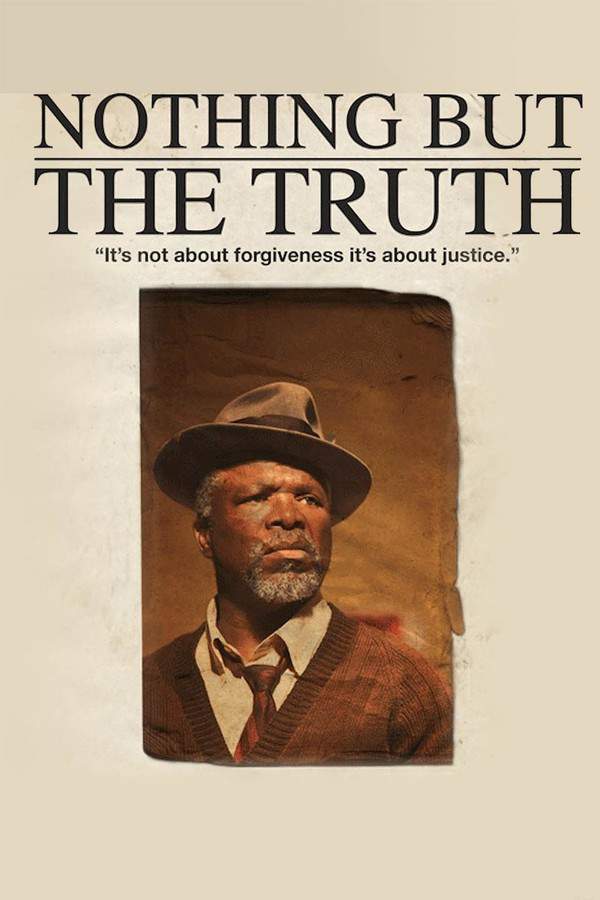
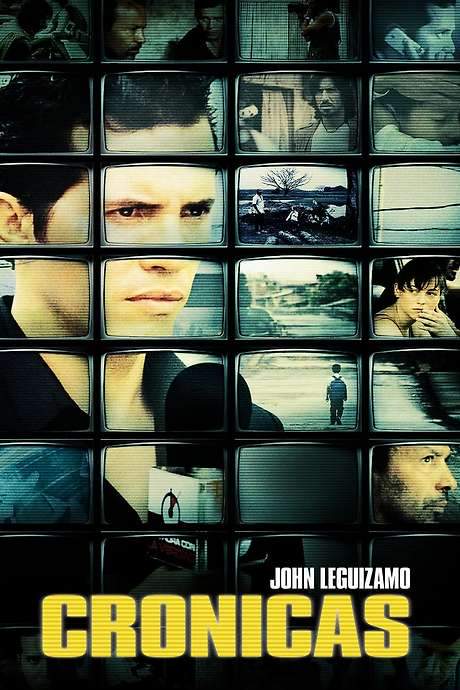
Similar Movies To Kill the Messenger You Should Know About
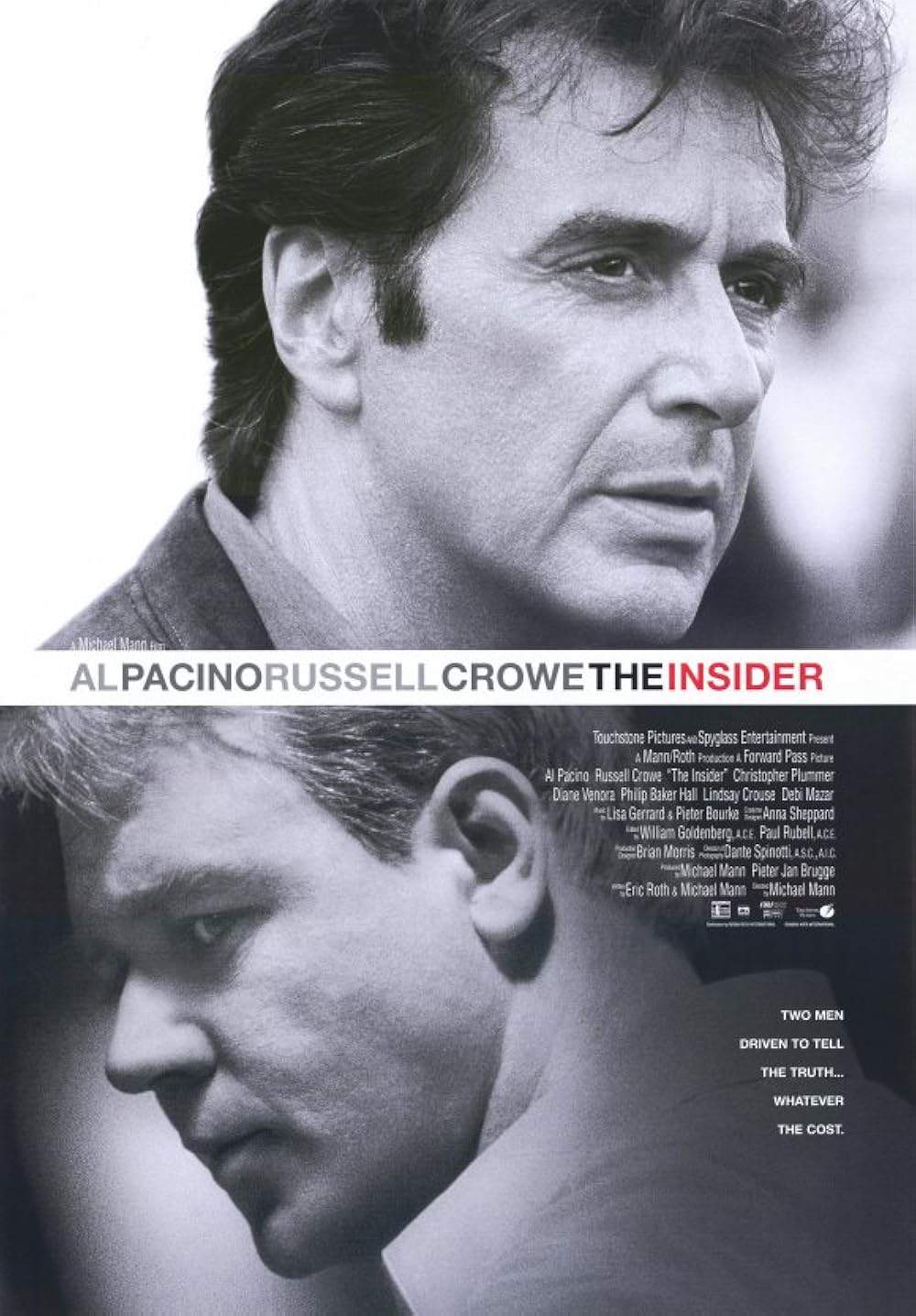
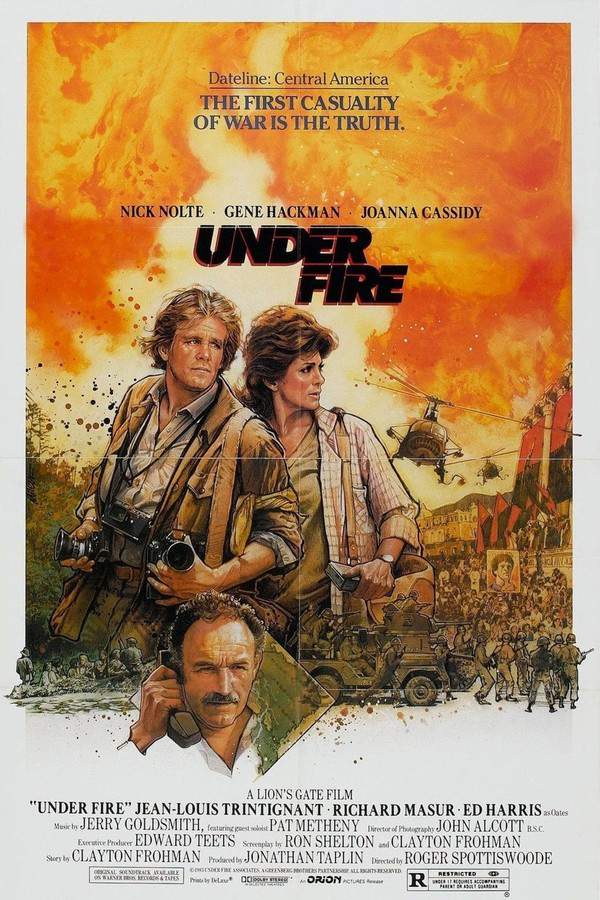
Browse a curated list of movies similar in genre, tone, characters, or story structure. Discover new titles like the one you're watching, perfect for fans of related plots, vibes, or cinematic styles.




Quick Links: Summary, Cast, Ratings, More

What's After the Movie?
Not sure whether to stay after the credits? Find out!




Explore Our Movie Platform
New Movie Releases (2025)
Famous Movie Actors
Top Film Production Studios
Movie Plot Summaries & Endings
Major Movie Awards & Winners
Best Concert Films & Music Documentaries
Movie Collections and Curated Lists
© 2025 What's After the Movie. All rights reserved.