
Pahuna: The Little Visitors 2019

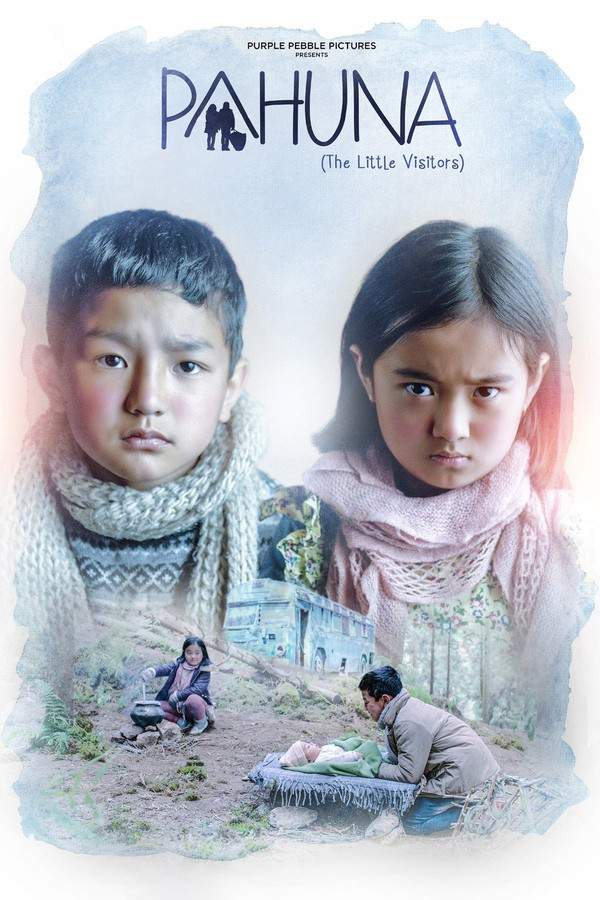
Three young siblings, separated from their family, find themselves lost and vulnerable in a foreign country. Facing difficult circumstances, they must learn to survive and rely on each other as they journey through an unfamiliar landscape, experiencing both heartbreak and moments of unexpected connection along the way. Their resilience and the kindness of strangers offer glimmers of hope amidst their challenging situation.


Does Pahuna: The Little Visitors have end credit scenes?
No!
Pahuna: The Little Visitors does not have end credit scenes. You can leave when the credits roll.
Meet the Full Cast and Actors of Pahuna: The Little Visitors
Explore the complete cast of Pahuna: The Little Visitors, including both lead and supporting actors. Learn who plays each character, discover their past roles and achievements, and find out what makes this ensemble cast stand out in the world of film and television.

External Links and Streaming Options
Discover where to watch Pahuna: The Little Visitors online, including streaming platforms, rental options, and official sources. Compare reviews, ratings, and in-depth movie information across sites like IMDb, TMDb, Wikipedia or Rotten Tomatoes.





Ratings and Reviews for Pahuna: The Little Visitors
See how Pahuna: The Little Visitors is rated across major platforms like IMDb, Metacritic, and TMDb. Compare audience scores and critic reviews to understand where Pahuna: The Little Visitors stands among top-rated movies in its genre.

The Movie Echo Score
Overall, Pahuna excels in capturing emotional authenticity and visual charm. Critics and viewers alike highlight the harmonious blend of sincere child performances, evocative cinematography, and a reflective narrative that probes adult responsibility. While a few note brisk pacing and an open-ended conclusion, most praise the film’s heartfelt simplicity and immersive atmosphere. The consistent acclaim for direction, music, and genuine character dynamics underscores its impact. Ultimately, Pahuna delivers a poignant, visually engaging experience that resonates long after viewing.
The Movie Echo Score Breakdown for Pahuna: The Little Visitors

Art & Craft
In terms of Art & Craft, the film demonstrates striking visual composition and assured directorial choices. Multiple reviews commend the luminous cinematography that highlights the mountain terrain and the understated production design that reinforces narrative authenticity. Costume and editing choices support the storytelling without drawing undue attention. Even minor critiques on pacing do not diminish the cohesive visual presentation. The result is a polished aesthetic that deeply enhances the film’s tone.

Character & Emotion
When it comes to Character & Emotion, the film benefits from deeply credible performances by its young leads. Reviewers consistently praise the nuanced portrayals that convey innocence and growing responsibility without overstating emotion. Their interactions establish genuine chemistry, and supporting roles enrich the familial bond. Emotional stakes feel authentic throughout, creating an engaging connection between viewers and the characters. The film’s heart lies in these resonant performances.

Story & Flow
Regarding Story & Flow, the narrative offers a simple yet affecting arc centered on two siblings navigating separation. Many viewers find its earnest tone and thematic depth compelling, while a few note that the pacing accelerates abruptly and leaves some plot threads open. The structure delivers emotional peaks efficiently but sacrifices some narrative breathing room. Overall, the story achieves a heartfelt impact despite occasional rhythmic unevenness.

Sensory Experience
In terms of Sensory Experience, the soundtrack and sound design receive widespread acclaim for their melodic warmth and ambient subtlety. The musical cues complement scenes seamlessly, and the visual palette captures the Himalayan setting with clarity and cohesion. Sound mixing supports dialogue and environmental textures effectively. Together, these elements craft an immersive sensory landscape that reinforces the film’s emotional and aesthetic goals, elevating viewer engagement.

Rewatch Factor
When considering Rewatch Factor, the film’s brief runtime and uplifting tone make it an accessible candidate for repeat viewing. Its visual appeal, sincere performances, and encouraging message invite revisits, though some may find the limited narrative scope reduces novelty over multiple viewings. The emotional resonance and scenic backdrop remain rewarding, but the absence of additional plot development may temper its long-term replay value. It retains moderate lasting appeal.

7.4 /10
IMDb Rating

81
%
User Score
Take the Ultimate Pahuna: The Little Visitors Movie Quiz
Challenge your knowledge of Pahuna: The Little Visitors with this fun and interactive movie quiz. Test yourself on key plot points, iconic characters, hidden details, and memorable moments to see how well you really know the film.
Pahuna: The Little Visitors Quiz: Test your knowledge on 'Pahuna: The Little Visitors' and its themes of family, fear, and resilience in the face of chaos.
What event triggers the villagers to flee their homes?
Full Plot Summary and Ending Explained for Pahuna: The Little Visitors
Read the complete plot summary of Pahuna: The Little Visitors, including all major events, twists, and the full ending explained in detail. Explore key characters, themes, hidden meanings, and everything you need to understand the story from beginning to end.
In a remote village nestled in the hilly terrain of Nepal, a series of gunshots pierce the air, triggering widespread panic among the villagers. In a frantic rush, they scramble to escape the village, guided by the desperate suggestions of Manju Chhetri’s husband who volunteers to distract the rebels. As the villagers flee, Manju finds herself torn and returns to the village, driven by the fear that her husband might be harmed. After entrusting her three children to the villagers, she sets off with them, knowing that two of her children, Anmoul Limboo as Pranay and Ishika Gurung as Amrita, are capable of walking, while the youngest, Bishal, is merely a few months old.
The frightened villagers embark on a challenging trek across the hills, seeking safety. One evening, as Pranay and Amrita sit down to dinner, Mahendra Bajgai, playing the role of Rai Budo, attempts to spook them by weaving tales of the Yeti. His intent is benign, aimed at ensuring the kids eat their meal, yet it backfires as the children misunderstand the story. Later that night, while discussing the potential journey to Pelling, Sikkim, Rai Budo shares unsettling tales about Christians, claiming they are harmful, even hinting that a priest abducts children to consume them. Pranay overhears this alarming discourse, and in turn warns Amrita.
Determined to protect their younger sibling, Pranay and Amrita escape with Bishal in tow. They find refuge in an abandoned bus during their flight, where they are fortunate enough to have enough supplies for several days. The following morning, Pranay spots the Christian priest wandering through the jungle. He recognizes him from a previous encounter where the priest spoke about dressing in white or black with a cross.
Over time, Pranay befriends an elderly man, offering to assist him with his goats; in gratitude, the old man supplies him with milk each day. Simultaneously, Amrita takes up work assisting a pregnant woman, and their collaborative efforts allow them to manage their duties effectively.
However, complications arise when the pregnant woman begins to experience labor pains. After successfully giving birth, she suddenly realizes that Bishal is alone, sending her into a panic as she rushes into the jungle, only to find that their bus has been towed away. Upon returning from their daily toil, Pranay discovers from the driver that their brother has been taken to the church by the priest. They swiftly devise a daring plan to rescue Bishal from this ominous setting.
Once at the church, fear grips them as they confront the priest in silence. When he threatens to call the police, they plead for the return of their brother. To their astonishment, the priest leaves quietly. As they prepare to take action, the door swings open, revealing their mother. The children recount their terrifying ordeal, and she reassures them that priests do not harm children.
Reunited, their mother leads them to their father, who is recovering from his injuries sustained during the chaos. The villagers also arrive, and amidst the turmoil, a sense of reconciliation slowly takes root within the community.

Discover Film Music Concerts Near You – Live Orchestras Performing Iconic Movie Soundtracks
Immerse yourself in the magic of cinema with live orchestral performances of your favorite film scores. From sweeping Hollywood blockbusters and animated classics to epic fantasy soundtracks, our curated listings connect you to upcoming film music events worldwide.
Explore concert film screenings paired with full orchestra concerts, read detailed event information, and secure your tickets for unforgettable evenings celebrating legendary composers like John Williams, Hans Zimmer, and more.


Pahuna: The Little Visitors Themes and Keywords
Discover the central themes, ideas, and keywords that define the movie’s story, tone, and message. Analyze the film’s deeper meanings, genre influences, and recurring concepts.

Unlock the World of Movies with Our Comprehensive Wiki
Dive into our Movie Wiki for in-depth film encyclopedia entries, including cast biographies, production trivia, plot synopses, behind-the-scenes facts, and thematic analyses. Whether you’re researching iconic directors, exploring genre histories, or discovering hidden easter eggs, our expertly curated movie database has everything you need to fuel your cinematic passion.
Similar Movies To Pahuna: The Little Visitors You Should Know About
Browse a curated list of movies similar in genre, tone, characters, or story structure. Discover new titles like the one you're watching, perfect for fans of related plots, vibes, or cinematic styles.












Quick Links: Summary, Cast, Ratings, More

What's After the Movie?
Not sure whether to stay after the credits? Find out!




Explore Our Movie Platform
New Movie Releases (2026)
Famous Movie Actors
Top Film Production Studios
Movie Plot Summaries & Endings
Major Movie Awards & Winners
Best Concert Films & Music Documentaries
Movie Collections and Curated Lists
© 2026 What's After the Movie. All rights reserved.