
Salt of the Earth 1954

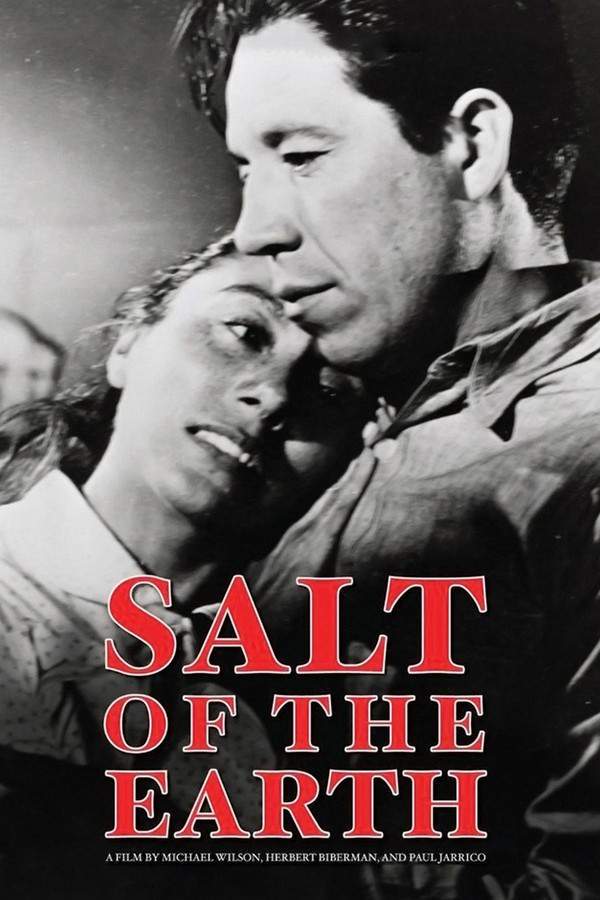
In New Mexico’s Empire Zinc mine, Mexican-American workers face dangerous conditions and unequal pay, leading to a fight for justice. Ramon Quintero emerges as a leader in the strike, but his own life presents a complex contradiction. The conflict challenges societal norms as women join the picket lines and men unexpectedly remain at home, prompting a re-examination of traditional gender roles and the pursuit of fairness for all.


Does Salt of the Earth have end credit scenes?
No!
Salt of the Earth does not have end credit scenes. You can leave when the credits roll.
Meet the Full Cast and Actors of Salt of the Earth
Explore the complete cast of Salt of the Earth, including both lead and supporting actors. Learn who plays each character, discover their past roles and achievements, and find out what makes this ensemble cast stand out in the world of film and television.

External Links and Streaming Options
Discover where to watch Salt of the Earth online, including streaming platforms, rental options, and official sources. Compare reviews, ratings, and in-depth movie information across sites like IMDb, TMDb, Wikipedia or Rotten Tomatoes.









Ratings and Reviews for Salt of the Earth
See how Salt of the Earth is rated across major platforms like IMDb, Metacritic, and TMDb. Compare audience scores and critic reviews to understand where Salt of the Earth stands among top-rated movies in its genre.

74
Metascore
tbd
User Score


%
TOMATOMETER

0%
User Score

7.4 /10
IMDb Rating

69
%
User Score
Take the Ultimate Salt of the Earth Movie Quiz
Challenge your knowledge of Salt of the Earth with this fun and interactive movie quiz. Test yourself on key plot points, iconic characters, hidden details, and memorable moments to see how well you really know the film.
Salt of the Earth Quiz: Test your knowledge of the 1954 film Salt of the Earth, focusing on its characters, plot points, and themes.
Who is the main female protagonist who leads the women’s picket line?
Full Plot Summary and Ending Explained for Salt of the Earth
Read the complete plot summary of Salt of the Earth, including all major events, twists, and the full ending explained in detail. Explore key characters, themes, hidden meanings, and everything you need to understand the story from beginning to end.
Esperanza Quintero narrates this inspiring story, which is inspired by real events, capturing the struggles and resilience of a community fighting for justice. When she became pregnant with her third child, her life was fraught with hardship and turmoil. Her husband, David Sarvis, named Ramon, was caught in the middle of a turbulent period marked by tensions at the zinc mine where he worked. The union, which Ramon was involved in, was contemplating a strike to demand better wages and safer working conditions for the miners. Among the union’s demands was improved sanitation in their homes—including indoor plumbing and hot water—which was a significant issue for the workers and their families but was eventually dropped from their list of priorities, much to Esperanza’s dismay.
The narrative details a complex tapestry of personal and collective struggles, beginning with a moment of joy when Ramon forgets it’s Esperanza’s Saint’s day, but is quickly overshadowed by mounting tensions. Their eldest son, Luis, reminds Ramon of the occasion, prompting him to throw a celebration for Esperanza, which temporarily lifts her spirits amid her ongoing struggles. During this period of unrest, a tragic event unfolds when a worker—aflame with frustration and anger—suffers an injury. Both Anglo and Chicano workers strike en masse, leaving their daily routines behind and standing united on the picket lines. Their unwavering resolve makes it impossible for “scabs” to cross, effectively blocking replacement workers from undermining their cause.
The authorities, feeling threatened by the strike, send a company representative named Hardwell to plan a strategy. In the meantime, the local sheriff and the foreman Anderson inform Hardwell that Ramon is the leader of the strike. As tensions escalate, deputies Vand and Kimbrough use violence against Ramon, beating him in an effort to suppress the movement. At the same time, Esperanza gives birth to her and Ramon’s baby, Juan, a momentous event that is echoed in the distant cries of Ramon and Esperanza calling out each other’s names. Soon after, Ramon is arrested, but upon his release, his newborn son Juan is christened and becomes a symbol of hope for the family.
Despite the wave of obstacles, a Taft-Hartley injunction is imposed, forbidding the workers from further picketing. It appears that the strike might be lost as union activities are crushed by legal and physical pressures. However, the women in the union, led by Esperanza and her fellow supporters, insist they be allowed to carry on with the picketing. While some men express skepticism and others are shocked by the idea, a community vote—comprising both men and women—decides in favor of women taking an active role in the strike. Initially, Ramon disapproves of Esperanza’s decision to join the picket line but she is unwavering. She defies his orders, and the women endure severe mental and physical abuse but remain resolute, holding their post and maintaining the strike’s momentum.
The authorities respond with brutality, and Esperanza, along with several other women, are arrested. During her incarceration, she brings her baby Juan and her daughter Estelle along, fearing Ramon might need to care for them himself. The sheriff and his deputies are driven to distraction by their frantic pleas for “the formula! the formula!” for baby Juan. Ramon comes to the jail and takes their children, showing his support and understanding of her cause. While Esperanza serves her jail sentence, Ramon takes on all household duties, and in doing so, he begins to grasp the difficulty and importance of their collective fight. Moved by her experiences, Ramon vows to improve their lives, promising that sanitation will be included in union demands.
When Esperanza finally returns home, she appears hopeful and energized by her activism. Ramon wishes she would stop her picketing and return to her traditional role, but she reminds him that his warning to stay “in her place” is akin to racist bosses trying to confine Mexican-Americans, emphasizing their shared desire for a better life. She insists that they are stronger together, advocating for unity in their ongoing struggle.
The next day, while most men are away gathering fuel, Ramon—driven by frustration and a sense of urgency—leaves the women to watch over the strike. A moment of anger prompts him and a few men to go out hunting, but Esperanza’s words linger in his mind, urging caution. Anticipating retaliation from the bosses, Ramon urges everyone to hurry back, suspecting an impending eviction. Sure enough, the sheriff and his deputies begin evicting the families, removing everything from the Quintero home. But just as despair sets in, a large crowd arrives from across the community—men, women, children, and union supporters—who rally to defend the families. They quickly restore the furniture and possessions, scaring off the sheriff’s men, who are overwhelmed by the tide of community solidarity.
Recognizing the strength of the united community, Hartell and the authorities realize they cannot continue to suppress the miners’ demands. Faced with overwhelming opposition from the miners and their supporters, the company and law enforcement are forced to back down. The strike is ultimately won, marking a significant victory for the workers and their families. Ramon and his community celebrate their hard-fought victory, feeling proud of their resilience and determination. They see themselves as the “salt of the Earth,” a symbol of hope and strength for future generations, standing up against oppression and injustice with unwavering courage and unity.
This story, rich with themes of perseverance, community, and social justice, highlights the power of collective action and the importance of standing firm in the face of adversity, inspiring viewers to believe in the change that can come through unity and resilience.

Watch Trailers, Clips & Behind-the-Scenes for Salt of the Earth
Watch official trailers, exclusive clips, cast interviews, and behind-the-scenes footage from Salt of the Earth. Dive deeper into the making of the film, its standout moments, and key production insights.
Cars Featured in Salt of the Earth
Explore all cars featured in Salt of the Earth, including their makes, models, scenes they appear in, and their significance to the plot. A must-read for car enthusiasts and movie buffs alike.
Salt of the Earth Themes and Keywords
Discover the central themes, ideas, and keywords that define the movie’s story, tone, and message. Analyze the film’s deeper meanings, genre influences, and recurring concepts.
Salt of the Earth Other Names and Titles
Explore the various alternative titles, translations, and other names used for Salt of the Earth across different regions and languages. Understand how the film is marketed and recognized worldwide.
Similar Movies To Salt of the Earth You Should Know About
Browse a curated list of movies similar in genre, tone, characters, or story structure. Discover new titles like the one you're watching, perfect for fans of related plots, vibes, or cinematic styles.













Quick Links: Summary, Cast, Ratings, More

What's After the Movie?
Not sure whether to stay after the credits? Find out!




Explore Our Movie Platform
New Movie Releases (2026)
Famous Movie Actors
Top Film Production Studios
Movie Plot Summaries & Endings
Major Movie Awards & Winners
Best Concert Films & Music Documentaries
Movie Collections and Curated Lists
© 2026 What's After the Movie. All rights reserved.