
Summer 1993 2018

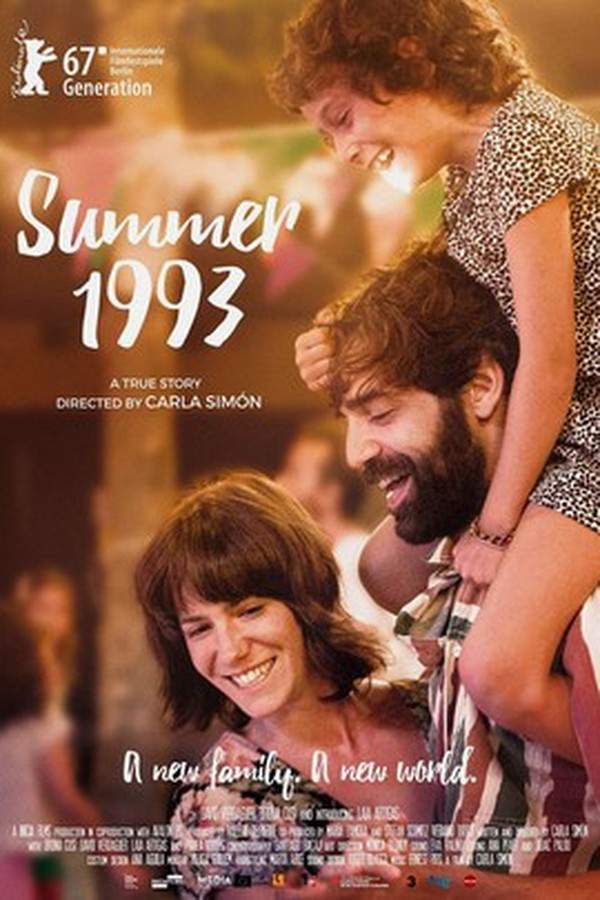
During the summer of 1993, a young girl named Frida experiences a significant change in her life after the loss of her parents. Living in a beautiful Catalan province, she struggles to adapt to her new guardians while also caring for her younger sister. Amidst the challenges of country life and feelings of jealousy, Frida's innocence leads her to run away. However, joyful family moments—from festive celebrations to lively garden parties filled with jazz music—offer solace and help them find a sense of harmony.

Does Summer 1993 have end credit scenes?
No!
Summer 1993 does not have end credit scenes. You can leave when the credits roll.
Meet the Full Cast and Actors of Summer 1993
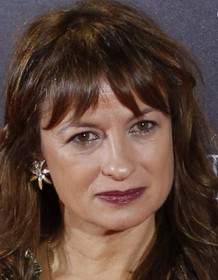
Explore the complete cast of Summer 1993, including both lead and supporting actors. Learn who plays each character, discover their past roles and achievements, and find out what makes this ensemble cast stand out in the world of film and television.




External Links and Streaming Options
Discover where to watch Summer 1993 online, including streaming platforms, rental options, and official sources. Compare reviews, ratings, and in-depth movie information across sites like IMDb, TMDb, Wikipedia or Rotten Tomatoes.










Ratings and Reviews for Summer 1993
See how Summer 1993 is rated across major platforms like IMDb, Metacritic, and TMDb. Compare audience scores and critic reviews to understand where Summer 1993 stands among top-rated movies in its genre.

The Movie Echo Score
Summer 1993 excels in its understated portrayal of childhood grief, anchored by sensitive direction and authentic performances. The film’s minimalist narrative emphasizes emotional truth over dramatic events, allowing the careful pacing and intimate cinematography to draw viewers into Frida’s perspective. While its deliberate tempo tests conventional plot expectations, the consistent tonal cohesion and nuanced character work maintain engagement throughout. The result is a quietly powerful meditation on loss and resilience that resonates long after the credits, offering a cohesive, thoughtfully crafted cinematic experience.
The Movie Echo Score Breakdown for Summer 1993

Art & Craft
In terms of art and craft, Summer 1993 employs restrained yet expressive direction and cinematography to evoke a child’s inner world. The sun-drenched visuals and measured editing underscore the film’s contemplative tone, though occasional elliptical cuts can slow momentum. Overall, the production design and visual style coalesce into a compelling and coherent artistic framework.

Character & Emotion
When it comes to character and emotion, the film is carried by deeply authentic performances, especially from its young leads. The child actors convey complex feelings through subtle gestures, supported by a nurturing ensemble cast. Emotional resonance remains strong throughout, and the clear chemistry among characters heightens the depiction of familial bonds and individual grief.

Story & Flow
In terms of story and flow, the narrative unfolds with a gentle, episodic structure that prioritizes emotional moments over conventional plot developments. While this approach fosters an intimate view of Frida’s inner journey, the deliberate pacing and lack of dramatic peaks may feel uneven to some viewers. Ultimately, the narrative’s authenticity sustains engagement throughout.

Sensory Experience
When it comes to sensory experience, the film’s sound design and visual palette work in unison to reflect a child’s sensory perception. Ambient sounds and an understated soundtrack enhance the quiet tension, while the cohesive, sunlit imagery provides a rich, tactile atmosphere. This sensory consistency amplifies the film’s immersive qualities effectively.

Rewatch Factor
In terms of rewatch factor, Summer 1993 offers lasting appeal through its emotional subtlety and nuanced details. The film’s slow pacing and introspective focus may limit repeated viewings for some audiences, yet its understated performances and carefully crafted visuals invite deeper reflection on subsequent viewings. The rewatch value lies in uncovering hidden emotional layers.

81
Metascore
7.2
User Score


100%
TOMATOMETER

83%
User Score

7.1 /10
IMDb Rating

71
%
User Score
Awards & Nominations for Summer 1993
Discover all the awards and nominations received by Summer 1993, from Oscars to film festival honors. Learn how Summer 1993 and its cast and crew have been recognized by critics and the industry alike.
Best Drama Film


Best Trailer
Best Film Poster
Best Film

Best Production Supervision
Best Art Direction
Best Editing
Best Cinematography
Best Original Music
Best Costume Design
Best Sound
Best Makeup and Hairstyles
Full Plot Summary and Ending Explained for Summer 1993
Read the complete plot summary of Summer 1993, including all major events, twists, and the full ending explained in detail. Explore key characters, themes, hidden meanings, and everything you need to understand the story from beginning to end.
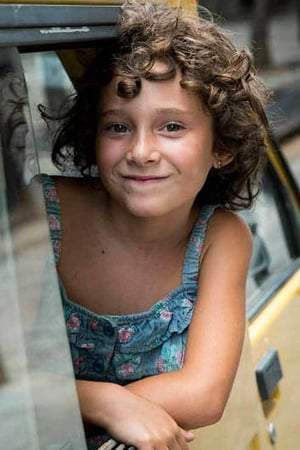
Frida, Laia Artigas, moves from Barcelona to a quiet countryside home to live with her adoptive parents, Marga and Esteve. The journey is intimate and tense at times, framed by small rituals that tether Frida to memories of her mother. Her grandmother, Isabel Rocatti, reinforces a sense of connection by teaching Frida the family prayer and handing over a card from Frida’s mother’s first communion, a keepsake that mirrors the mother’s presence in the child’s life. Soon after settling in, Frida discovers a statue of the Virgin Mary tucked away in a dirt-cleared space in the woods, a recurring motif throughout the film. She returns to this spot often, leaving tiny offerings—cigarettes, and a polka-dotted garment—as tokens for a mother she can barely remember.
In the domestic rhythm that follows, a thread of illness hangs over the household. In a meat shop, Marga hints at Frida’s mother’s frail condition, suggesting pneumonia without ever confirming it. A later car scene finds Frida scratching an itch on her arm, an ordinary discomfort that underscores a growing unease. Marga urges her to stop scratching and asks what’s really wrong, and Frida confides that she’s bothered by her hair. The moment is small, but it nods to a deeper fragility that threads through their days. A doctor’s visit follows, with talk of more tests to confirm earlier results, casting a pall over the sense of safety Frida has begun to build.
Back home, the two girls—Frida and Anna—quickly slip into play, though the mood remains unsettled. Frida experiments with makeup and a fur boa as Anna looks on, and their pretend game shifts to mother and child. When Anna asks Frida to play along, Frida resists, saying she’s too sore and promising they’ll play later. The scene closes with Frida praying again over her mother’s communion card, a private ritual that grounds her in memory even as the present demands attention.
Frida’s world broadens when she meets Irene, a classmate living in a different rhythm from the others. They talk on a playground, but Irene’s answers come with movement away from Frida, a subtle signal of social dynamics that Frida begins to sense. Irene’s mother chides the interaction, while Marga intervenes, asking Irene’s mother to keep things discreet. The moment captures a clash between childhood innocence and the social boundaries that adults impose.
A visit from Frida’s grandparents—Avi [Fermí Reixach] and Àvia [Isabel Rocatti]—reframes the family’s expectations. Marga asks Frida to tie her own shoes, a small act that Frida initially refuses, preferring help from her grandfather. The elder couple also revisits the prayer and the memory of Frida’s mother, though her mother’s past decisions are described as flawed by the grandmother, adding another layer to Frida’s search for belonging. The grandmother’s visit also brings a sense of ritual, with Lola, [Montse Sanz], appearing in a later scene and offering a softer, more maternal presence that contrasts with the strictness Frida experiences at home.
That night, Frida’s relationship with Anna deepens in a different way: Anna dances with Esteve, marking a moment of tenderness that is overshadowed by Frida’s own sense of isolation. The next day, Frida’s world grows increasingly complex as she leads Anna into the forest and asks her to hide, a game that goes awry and ends with Anna returning with a cast on her arm. The adults—Marga and Esteve—express concern, debating boundaries while Frida’s behavior remains morally ambiguous in their eyes. Esteve defends Frida but agrees to set firmer limits, a moment that highlights the strain between care and control within the family.
As the days pass, everyday routines intertwine with unsettling signs. Frida asks to go swimming, and Esteve momentarily delays, signaling a constant push-pull between care and autonomy. A sequence shows a sheep being slaughtered and people dancing to live music, providing a stark contrast between natural life and social celebration, with Frida perched on a bench watching the others—an observer amid activity.
Frida’s sense of love and belonging is further tested when she rejects a blue nightdress from her grandmother in favor of a pink one that Anna receives. The stubbornness strains the adults’ patience, particularly Marga, who insists Frida wash the dress and drink her milk. The household’s emotional undercurrents rise to the surface during a family visit when Frida expresses a wish for Lola to stay; the moment crescendos as Esteve must physically remove Frida from the car, signaling a painful separation and a loss of security.
That night, Frida packs up dolls and toys, steals fruit from the kitchen, and quietly contemplates leaving. Anna asks where she’s going; Frida responds that she’s returning home because she believes no one loves her there, and she even hands Anna her Barbie before stepping into the dark. The adults frantically search for her, and Frida remains hidden behind the house, contemplating a possible departure that ultimately does not happen. She tells her family she plans to leave the following day, but night falls, and the moment of flight is deferred.
In the final stretch, Frida helps prepare her math book for school, and the conversation shifts to her mother’s death. Marga explains that a virus caused the illness that took her mother, and she describes how hard the doctors tried, though they could not cure the virus. Frida probes further—whether her mother bled during the illness and whether her mother had any last words—and Marga answers with patient honesty, acknowledging the absence of words in those final moments. Frida then asks if Marga herself might fall ill, and Marga reassures her that she won’t.
The film closes with a tender, painful scene: Esteve, Anna, and Frida lie together on a bed in new nightgowns, a fragile moment of closeness that is interrupted by Frida’s sudden sobs. The adults gather around her, trying to soothe and understand, while the camera lingers on the family’s closeness and fragility, the sense that love and memory are the fragile threads that hold them together. The closing image circles back to the bed, a quiet, intimate tableau that suggests both the weight of what has happened and the uncertain, enduring hope of what lies ahead for Laia Artigas and the family she inhabits.

Watch Trailers, Clips & Behind-the-Scenes for Summer 1993
Watch official trailers, exclusive clips, cast interviews, and behind-the-scenes footage from Summer 1993. Dive deeper into the making of the film, its standout moments, and key production insights.
Summer 1993 Themes and Keywords
Discover the central themes, ideas, and keywords that define the movie’s story, tone, and message. Analyze the film’s deeper meanings, genre influences, and recurring concepts.
Summer 1993 Other Names and Titles
Explore the various alternative titles, translations, and other names used for Summer 1993 across different regions and languages. Understand how the film is marketed and recognized worldwide.
Similar Movies To Summer 1993 You Should Know About
Browse a curated list of movies similar in genre, tone, characters, or story structure. Discover new titles like the one you're watching, perfect for fans of related plots, vibes, or cinematic styles.




Quick Links: Summary, Cast, Ratings, More

What's After the Movie?
Not sure whether to stay after the credits? Find out!




Explore Our Movie Platform
New Movie Releases (2025)
Famous Movie Actors
Top Film Production Studios
Movie Plot Summaries & Endings
Major Movie Awards & Winners
Best Concert Films & Music Documentaries
Movie Collections and Curated Lists
© 2025 What's After the Movie. All rights reserved.