
The Last Out 2022


Three young Cuban baseball players leave their homeland, facing a dangerous journey through Central America to pursue their dreams of playing professional baseball. Over four years, the film documents their experiences as they risk everything, separated from their families and driven by the hope of a better life and the chance to provide for their loved ones. It's a poignant story of ambition, sacrifice, and the challenges of chasing a dream.


Does The Last Out have end credit scenes?
No!
The Last Out does not have end credit scenes. You can leave when the credits roll.
Meet the Full Cast and Actors of The Last Out
Explore the complete cast of The Last Out, including both lead and supporting actors. Learn who plays each character, discover their past roles and achievements, and find out what makes this ensemble cast stand out in the world of film and television.

External Links and Streaming Options
Discover where to watch The Last Out online, including streaming platforms, rental options, and official sources. Compare reviews, ratings, and in-depth movie information across sites like IMDb, TMDb, Wikipedia or Rotten Tomatoes.







Ratings and Reviews for The Last Out
See how The Last Out is rated across major platforms like IMDb, Metacritic, and TMDb. Compare audience scores and critic reviews to understand where The Last Out stands among top-rated movies in its genre.


100%
TOMATOMETER

0%
User Score

7.9 /10
IMDb Rating
Take the Ultimate The Last Out Movie Quiz
Challenge your knowledge of The Last Out with this fun and interactive movie quiz. Test yourself on key plot points, iconic characters, hidden details, and memorable moments to see how well you really know the film.
The Last Out Quiz: Test your knowledge of the 2022 film *The Last Out* with these ten questions ranging from easy to difficult.
What are the names of the two main male characters whose perspectives shape the story?
Full Plot Summary and Ending Explained for The Last Out
Read the complete plot summary of The Last Out, including all major events, twists, and the full ending explained in detail. Explore key characters, themes, hidden meanings, and everything you need to understand the story from beginning to end.
This film unfolds its core story in three chapters, each told from the perspective of a different central figure. For clarity and continuity, this summary merges those threads into one continuous narrative while staying true to what each part reveals and how they converge.
After serving in the Caroline War, French squires Jean de Carrouges and Jacques le Gris pledge their loyalty to Count Pierre d’Alençon, who has been named Jean’s overlord by King Charles VI. In a bid to improve his finances, Jean marries Marguerite de Thibouville with the expectation of a substantial dowry from Marguerite’s father, Robert, a dowry that would grant rights to valuable estates. Yet Pierre uses Robert’s back taxes to seize the coveted estate of Aunou-le-Faucon and transfers it to Jacques, who has become one of Pierre’s favorites. Jean takes this injustice to the royal court, but King Charles VI dismisses the suit, and Pierre retaliates by elevating Jacques to the captaincy of a Carrouges family post after Jean’s father dies.
The marriage between Jean and Marguerite grows strained as they struggle to conceive a child. The two men repair their own rift at a celebratory gathering, and in the course of that social circle, Jacques becomes smitten with Marguerite. He reads her friendliness as an acceptance of his affections, misinterpreting her kindness as a signal that she does not truly love Jean.
After a failed Scottish campaign that earns him a knighthood but leaves him financially ruined, Jean travels to Paris to claim his wage. In his absence, Marguerite proves herself capable of managing the estate and the household. One evening, when she is alone at the château, Jacques visits under the pretense of friendship, declares his love in a boastful, intrusive manner, and relentlessly pursues Marguerite. She resists and tries to flee, but he corners her, rapes her, and then orders her not to tell her husband.
When Jean returns and learns of the assault, he questions whether Marguerite is telling the truth, and he becomes convinced that Jacques raped her specifically to insult him. He pressures Marguerite to have sex with him so that Jacques will not be the last man to know her, a demand that reveals how fragile trust and pride have become in their marriage.
Pierre informs Jacques that Jean intends to press rape charges, but Jacques denies the accusation. Despite Pierre’s attempts to enforce his authority, Jean takes his case directly to King Charles and calls for a duel to the death. Marguerite’s friends abandon her, convinced she is covering up an affair, while Jean’s mother—who was also raped in her youth but never spoke of it—urges Marguerite to drop the charge. Six months later, Jacques undergoes a trial, and Marguerite, now pregnant, remains steadfast in her claim of truth, while the court hints that Jacques could be the father of the child. King Charles grants a duel to settle the matter, and Marguerite learns that if her husband loses, she could be burned for perjury. She confronts Jean with this knowledge, and soon after, she gives birth to a son.
The duel pits Jean and Jacques against each other on the field. They joust, both losing their mounts, and their confrontation moves to brutal, close-quarters combat. After a protracted struggle, Jean is wounded in the groin but gains the upper hand, finally pinning Jacques and demanding a confession of truth. Jacques maintains his innocence, and Jean fulfills his vow by killing him. The victory brings a somber triumph for Jean, while Jacques’ body is publicly displayed and Pierre looks on with a grave, somber eye.
An epilogue reveals the long shadow of the tale: Jean dies years later while fighting in the Crusades, and Marguerite remains the steady steward of the estate, living in relative peace for the rest of her life but never remarrying. The narrative thus closes on a meditation about truth, power, and the social codes that shape and sometimes shattered lives in a world where a single act can reverberate across years, communities, and destinies.

Discover Film Music Concerts Near You – Live Orchestras Performing Iconic Movie Soundtracks
Immerse yourself in the magic of cinema with live orchestral performances of your favorite film scores. From sweeping Hollywood blockbusters and animated classics to epic fantasy soundtracks, our curated listings connect you to upcoming film music events worldwide.
Explore concert film screenings paired with full orchestra concerts, read detailed event information, and secure your tickets for unforgettable evenings celebrating legendary composers like John Williams, Hans Zimmer, and more.


The Last Out Themes and Keywords
Discover the central themes, ideas, and keywords that define the movie’s story, tone, and message. Analyze the film’s deeper meanings, genre influences, and recurring concepts.

Unlock the World of Movies with Our Comprehensive Wiki
Dive into our Movie Wiki for in-depth film encyclopedia entries, including cast biographies, production trivia, plot synopses, behind-the-scenes facts, and thematic analyses. Whether you’re researching iconic directors, exploring genre histories, or discovering hidden easter eggs, our expertly curated movie database has everything you need to fuel your cinematic passion.
Similar Movies To The Last Out You Should Know About
Browse a curated list of movies similar in genre, tone, characters, or story structure. Discover new titles like the one you're watching, perfect for fans of related plots, vibes, or cinematic styles.
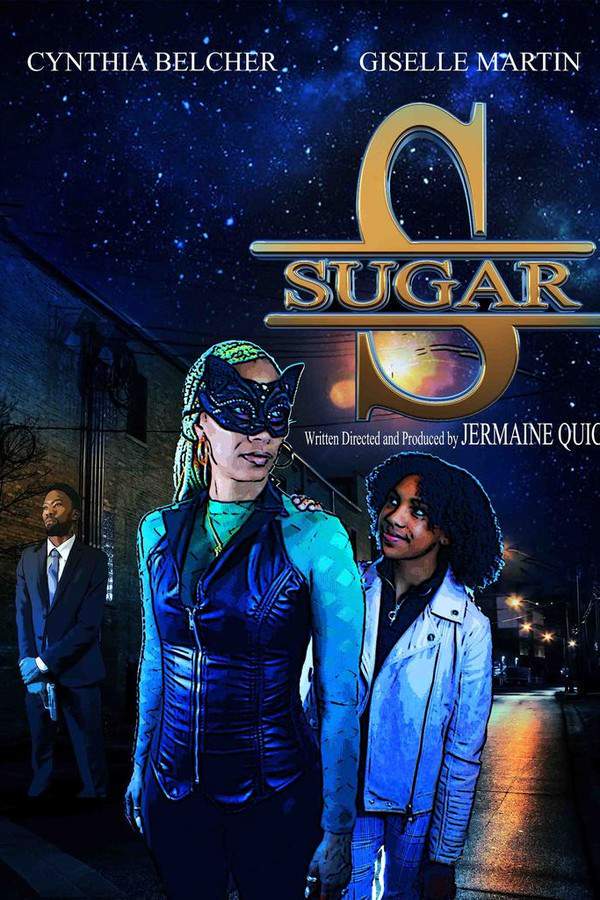



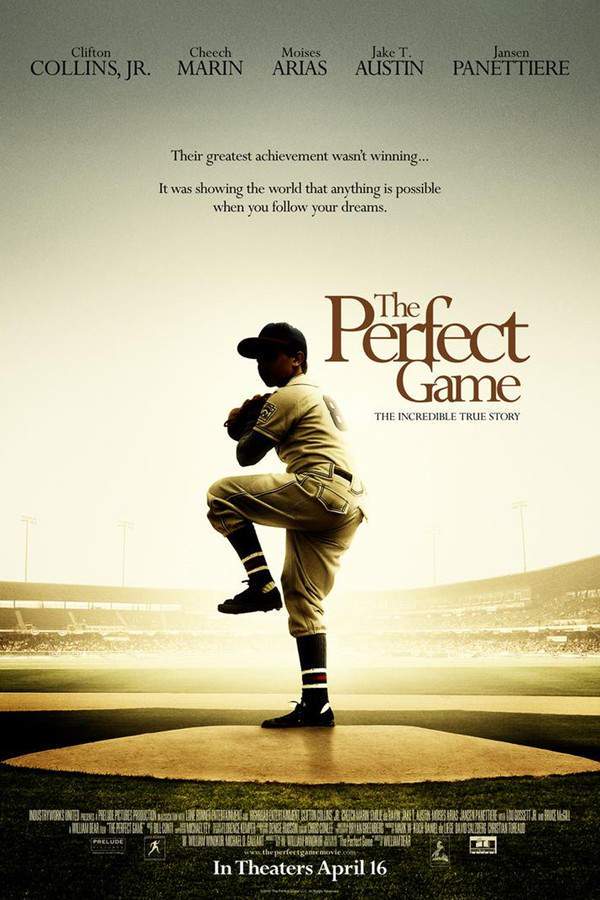
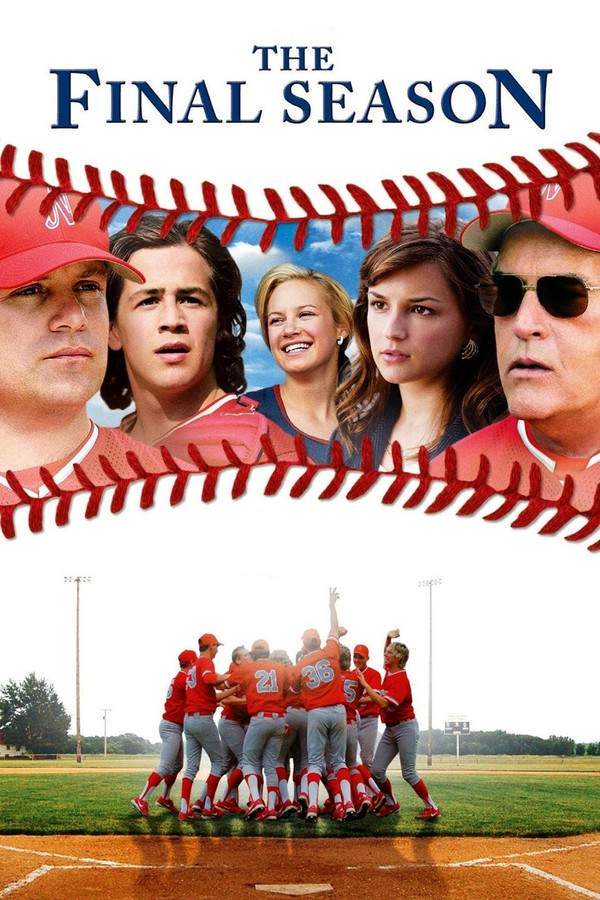

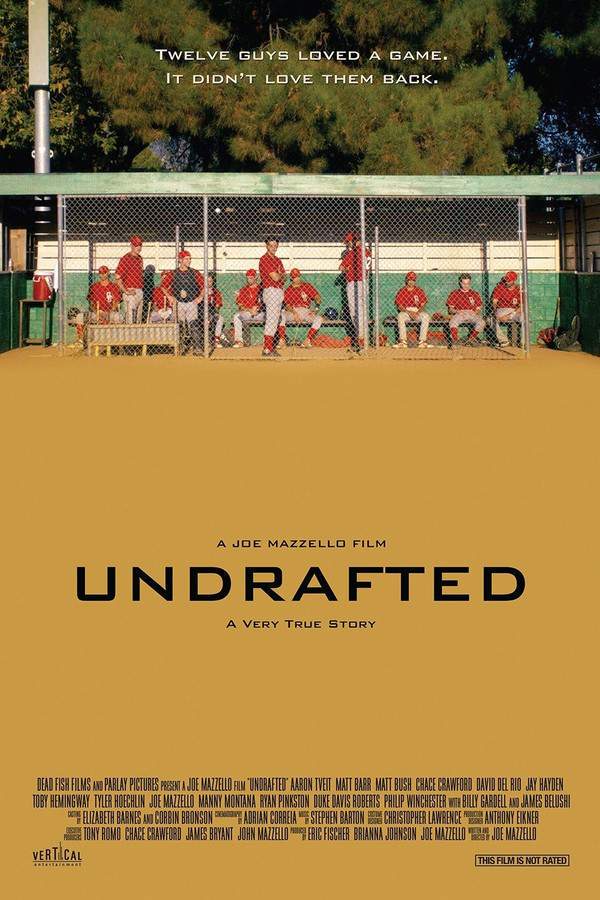



Quick Links: Summary, Cast, Ratings, More

What's After the Movie?
Not sure whether to stay after the credits? Find out!




Explore Our Movie Platform
New Movie Releases (2025)
Famous Movie Actors
Top Film Production Studios
Movie Plot Summaries & Endings
Major Movie Awards & Winners
Best Concert Films & Music Documentaries
Movie Collections and Curated Lists
© 2025 What's After the Movie. All rights reserved.