
Tommaso 2020

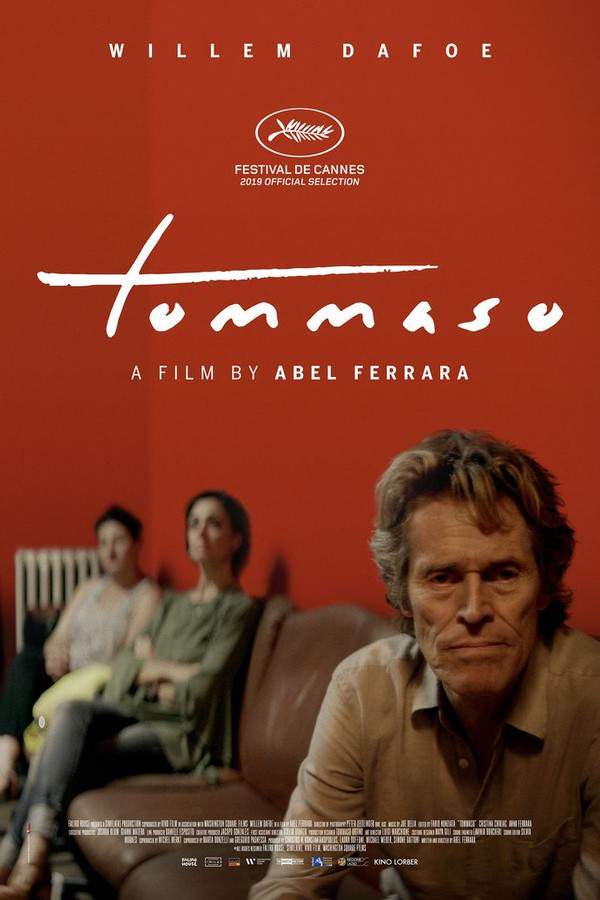
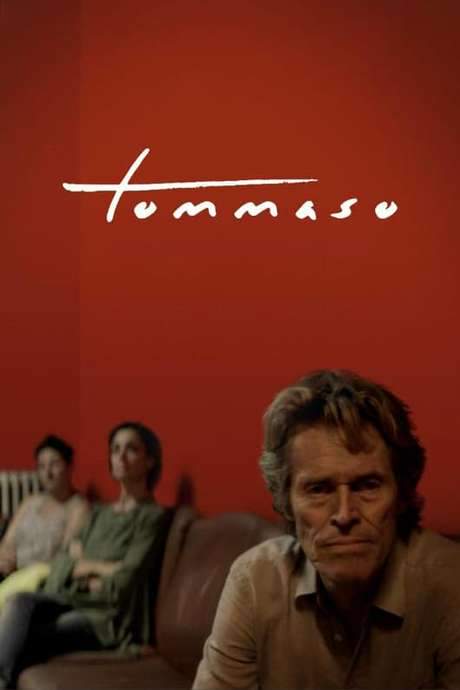
Willem Dafoe stars as Tommaso, an American living in Rome who finds himself confronting a series of personal setbacks and a crisis of self-worth. As he struggles with the fallout of past actions and unexpected challenges, his perception of reality becomes increasingly blurred, reflecting the uncertainties of his creative work and his place in the world. The film explores themes of identity, regret, and the search for meaning in a foreign land.

Does Tommaso have end credit scenes?
Yes!
Tommaso does have end credit scenes. Stay until the very end!
Meet the Full Cast and Actors of Tommaso
Explore the complete cast of Tommaso, including both lead and supporting actors. Learn who plays each character, discover their past roles and achievements, and find out what makes this ensemble cast stand out in the world of film and television.


External Links and Streaming Options
Discover where to watch Tommaso online, including streaming platforms, rental options, and official sources. Compare reviews, ratings, and in-depth movie information across sites like IMDb, TMDb, Rotten Tomatoes or Metacritic.









Ratings and Reviews for Tommaso
See how Tommaso is rated across major platforms like IMDb, Metacritic, and TMDb. Compare audience scores and critic reviews to understand where Tommaso stands among top-rated movies in its genre.

The Movie Echo Score
Tommaso excels in presenting a vivid central performance and a striking visual approach, but its uneven narrative and self-reflective digressions undermine cohesion. Observers frequently praise Willem Dafoe’s compelling screen presence and the film’s richly composed frames, yet many critics find the pacing overly meandering and the thematic focus inconsistent. The sensory intensity adds immersion, while the episodic structure and introspective detours may limit broader engagement. Overall, the film leaves a mixed impression that balances strong craft against narrative fragmentation.
The Movie Echo Score Breakdown for Tommaso

Art & Craft
In terms of art and craft, the film’s cinematography and production design receive consistent commendation for their polished widescreen compositions and cohesive documentary-style framing. The close-focus camera work highlights emotional nuance, while the burnished color palette underscores the Roman setting’s texture. Some viewers note that Ferrara’s directorial choices feel deliberately rough or overly self-aware at times. Consequently, the visual design impresses even as directional restraint occasionally feels uneven.

Character & Emotion
When it comes to character and emotion, the film relies heavily on Willem Dafoe’s nuanced performance to anchor its introspective core. The lead portrayal conveys both tranquility and simmering unrest, providing a focal point for the narrative. Audiences appreciate the authenticity of his emotional expression and the subtle chemistry with supporting figures. Despite occasional narrative tangents, the central characterization remains a consistent highlight and emotional touchstone throughout.

Story & Flow
In terms of story and flow, the pacing is described as uneven and occasionally self-indulgent, with episodic detours that disrupt narrative momentum. Some critics find the lack of conventional plot structure refreshingly candid, while others view the meandering sequences and sparse coherence as obstacles to engagement. The film’s autobiographical leanings offer originality but limit thematic clarity. Overall, the storytelling framework yields a mixed sense of intention and impact.

Sensory Experience
In terms of sensory experience, the film’s erotic and nostalgic tone is supported by a richly textured visual style and a resonant soundtrack. The sound design balances ambient city atmospheres with measured score cues, enhancing immersion in the Roman locales. Viewers highlight the sensual imagery and the film’s ability to evoke mood through visual and auditory detail. This cohesive sensory atmosphere stands out as one of the production’s strongest assets.

Rewatch Factor
When considering rewatch potential, the film’s episodic structure and introspective focus may limit repeat viewings. While the central performance and visual composition retain interest, the lack of narrative resolution and occasional self-reflective excess reduce enduring appeal. Audiences cite the uneven pacing and digressive scenes as deterrents to revisiting the material. Consequently, the film offers modest replay value, appealing primarily to those drawn to character-driven moods rather than plot-driven engagement.

66
Metascore
5.5
User Score


81%
TOMATOMETER

36%
User Score

6.3 /10
IMDb Rating
58
%
User Score

3.5
From 9 fan ratings

2.00/5
From 2 fan ratings

Watch Trailers, Clips & Behind-the-Scenes for Tommaso
Watch official trailers, exclusive clips, cast interviews, and behind-the-scenes footage from Tommaso. Dive deeper into the making of the film, its standout moments, and key production insights.
Tommaso Themes and Keywords
Discover the central themes, ideas, and keywords that define the movie’s story, tone, and message. Analyze the film’s deeper meanings, genre influences, and recurring concepts.
Tommaso Other Names and Titles
Explore the various alternative titles, translations, and other names used for Tommaso across different regions and languages. Understand how the film is marketed and recognized worldwide.
Similar Movies To Tommaso You Should Know About
Browse a curated list of movies similar in genre, tone, characters, or story structure. Discover new titles like the one you're watching, perfect for fans of related plots, vibes, or cinematic styles.




Quick Links: Summary, Cast, Ratings, More

What's After the Movie?
Not sure whether to stay after the credits? Find out!




Explore Our Movie Platform
New Movie Releases (2025)
Famous Movie Actors
Top Film Production Studios
Movie Plot Summaries & Endings
Major Movie Awards & Winners
Best Concert Films & Music Documentaries
Movie Collections and Curated Lists
© 2025 What's After the Movie. All rights reserved.