

I'm Still Here 2010

Made by

Magnolia Pictures
I'm Still Here Plot Summary
Read the complete plot summary and ending explained for I'm Still Here (2010). From turning points to emotional moments, uncover what really happened and why it matters.
In 1970, Rio de Janeiro is gripped by a tightening military dictatorship, and a family trying to find moments of ordinary life within the storm. Eunice Paiva and her children—Marcelo, Vera, Eliana, Nalu, and Maria Beatriz (Babiu)—welcome a stray dog they name Pimpao, a small beacon of warmth that they decide to keep despite knowing it might provoke trouble at home. The household’s rhythm centers on Eunice’s quiet strength and the father’s shadow: Rubens, a former congressman who lost his seat after the 1964 coup and has since drifted into self-imposed exile. The children grow up amid the tension of a country in flux, each day a balance between schoolyard innocence and a society that demands silence.
As the family navigates the era’s fear, Vera’s out-of-town plans become a practical thread of escape. A Swiss ambassador’s kidnapping intensifies the climate of suspicion, and Rubens quietly contemplates leaving Brazil for safety. Vera is sent to London to verify a shelter’s legitimacy, a decision that underscores how the family tries to preserve dignity in a world that may deny it. Months pass, and Vera’s letters and a simple roll of super-8 film become fragile connections to a world beyond instability.
Then a visit changes everything. Dr. Schneider and a group of armed men arrive at the Paiva home, pressing Rubens for a deposition and sealing a chapter the family cannot yet name. Eunice senses the danger, as Rubens disappears from their life, and the house fills with unspoken questions. In the aftermath, Eunice and Eliana face interrogation—Eunice is hooded and questioned about Rubens’ supposed ties to communism, while Eliana endures the strain of the process. Eunice is imprisoned for days, and Eliana returns shattered, bearing witness to cruelty that outruns explanation. The trauma reshapes the family’s perception of safety and binds them more tightly in their shared fear.
Determined not to surrender, Eunice connects with Rubens’ fellow expatriates and tries to press the case into public sight. She returns to the station, only to be met with official denial and insufficient proof of Rubens’ arrest. A teacher named Martha—seen in a photograph with Rubens—offers a glimmer of complicity and risk: she shares that she too was taken, but fears retaliation if she speaks out. Meanwhile, Eunice questions Boca, a longtime friend and colleague, seeking any thread that might explain Rubens’ fate. The household’s sorrow deepens when Pimpao dies in a road accident, a cruel reminder of the fragility of life during a time of fear.
News, letters, and small glimpses of truth accumulate. Martha confesses that Rubens’ name did arise in her own imprisonment, and Vera eventually returns from London, bringing a complicated sense of reunion and unanswered questions. A journalist captures a family portrait—smiles strained by grief and the weight of the unknown—as Eunice presses for clarity about Rubens’ disappearance and death. Faced with the unbearable, Eunice makes a decisive plan: she will pursue education and legal work to fight for those losing their land to forced repossession and to seek justice in a country that rarely offers it.
By 1996, Eunice has become a lawyer, her career a testament to endurance and reform. Marcelo and Babiu grow into adults, and the family goes to court to receive Rubens’ death certificate. Outside, reporters seek a sense of closure as Eunice reflects on the long road she has walked. The memory of Rubens remains a thread through time, sustaining her in public life and private grief.
Years later, in 2014, the family gathers in São Paulo. The elder Eunice, now living with Alzheimer’s, watches the news and encounters a report confirming that Rubens—along with many others—was murdered by the military regime, with his body never recovered. The revelation stirs a flood of memories that the mind sometimes refuses to quiet. A final family photo moment—Eunice at the center—feels like a quiet act of defiance and continuity, a living image of a life driven by remembrance and pursuit of truth.
The closing text ties the threads together: Rubens Paiva was murdered by the Brazilian government, and those involved were never brought to justice. Eunice’s life after those years is defined by steadfast dedication to her work as a lawyer and activist, a relentless search for answers that continued until her death in 2018. Across decades, the family’s story becomes a record of resilience—how a mother’s unwavering resolve can illuminate the most painful chapters of history, and how memory, courage, and justice can persist long after the headlines fade.
I'm Still Here Timeline
Follow the complete movie timeline of I'm Still Here (2010) with every major event in chronological order. Great for understanding complex plots and story progression.
Family rescues a stray dog on Rio de Janeiro beach
The Paiva family finds a stray dog on a Rio de Janeiro beach and names it Pimpao. They bring the dog home despite knowing their parents won’t approve, and Pimpao quickly becomes part of the family. The presence of the dog introduces a new, small joy amid growing tensions.
Rubens' past and plans to leave Brazil
Rubens is a former congressman who lost his position after the 1964 coup and entered self-imposed exile. The family discusses leaving Brazil to seek safety abroad, weighing the risks of staying. The political danger casts a shadow over everyday life.
Vera is sent to London for safety
Vera is sent to London with a couple to verify that their shelter isn’t a scam. The kidnapping of the Swiss ambassador adds to the sense of danger and motivates emigration. The move marks a widening family separation in a time of political repression.
Armed men arrive; Rubens summoned
Dr. Schneider arrives with armed men and demands that Rubens accompany them to give a deposition. The intrusion unsettles Eunice and raises the stakes for the family amid state pressure. The line between private life and state surveillance blurs.
Interrogation begins; Eunice and Eliana taken for questioning
Eunice searches Rubens’ study and finds writings that hint at his activities. She and Eliana are taken to a police station for questioning, with Eliana wearing a hood during transport. The interrogation centers on Rubens’ alleged ties to communism and Vera in London.
Eliana detained; Eunice imprisoned
Eliana is released after 24 hours, while Eunice is imprisoned for 12 days and witnesses the cruelty inflicted on other prisoners. The experience leaves Eliana traumatized and the family more fearful for their future. The state’s aggression reverberates through the household.
Efforts to publicize Rubens’ disappearance
Eunice meets with Rubens’ expatriate colleagues to pressure the press and publicize his disappearance. Despite their efforts, authorities deny knowledge of Rubens’s whereabouts. The family clings to hope while the truth remains elusive.
Martha’s involvement and the photo controversy
Martha, a teacher photographed with Rubens, reveals she too was detained and fears reporting retaliation. Eunice continues to pursue information while the network around Rubens’s case tightens. A tension-filled moment surrounds reporting on the case.
Pimpao the dog dies; family grieves
Pimpao is fatally struck by a car and buried in the backyard. The loss adds another blow to a family already under siege by state intimidation. The tragedy compounds the sense of fragility in their lives.
Rumors of Rubens’s death in combat
A friend, Felix, tells Eunice that Rubens was reported to have died in combat, feeding the rumor mill and despair. The lack of official confirmation underscores the government’s control over information. The family faces a painful ambiguity about Rubens’s fate.
Vera returns home from London
Vera comes back from London, rejoining her family as they cope with uncertainty and seek clues about Rubens’s fate. A journalist captures the family in a moment of forced cheer, signaling the strange balance between public and private life during repression.
Eunice enrolls again; kids sent to Sao Paulo
Eunice announces she will return to college and that the children will live with their grandparents in Sao Paulo to stabilize the family. The plan marks a formal separation of the nuclear unit from its familiar home base. It also signals Eunice’s growing determination to build a future beyond fear.
1996: Rubens’s death certificate issued
In 1996, the family travels to Sao Paulo where Eunice has become a lawyer. They are officially issued Rubens’s death certificate, providing a formal acknowledgment of his fate. The moment crystallizes years of searching for closure.
2014: Alzheimer’s and renewed memory
In 2014, the family reunites in Sao Paulo. Eunice, now aging and suffering from Alzheimer’s, watches a news report confirming Rubens’s murder and that his body was never recovered. The memory jolts her and reconnects her to the past.
Legacy of justice and a life devoted to truth
The final text states that Rubens Paiva was murdered by the Brazilian government and that those responsible were never brought to justice. Eunice dedicates the rest of her life to her work as a lawyer and activist, until her death in 2018. Her unwavering pursuit of answers defines the family’s enduring legacy.
I'm Still Here Characters
Explore all characters from I'm Still Here (2010). Get detailed profiles with their roles, arcs, and key relationships explained.
Eunice Paiva
A devoted mother who endures the perilous climate of the dictatorship while protecting her children. She confronts fear, navigates surveillance, and keeps her family together through petitions, inquiries, and clandestine plans. By 1996 she becomes a lawyer and activist, dedicating herself to cases of repossessed land and human rights, embodying resilience and social commitment.
Rubens Paiva
A former congressman whose political history makes him a target for the regime. He disappears after being asked to testify, becoming a symbol of political persecution and a loss felt by his family. His supposed death later serves as a catalyst for Eunice’s pursuit of truth and justice.
Vera Paiva
The eldest daughter who travels to London seeking safety, embodying the diaspora's experience. Her letters and film reels keep the family connected across distance, acting as a fragile lifeline. Her absence during the early years heightens the risk and longing felt by her mother and siblings.
Eliana Paiva
A younger daughter who endures interrogation and witness cruelty during detention. She is traumatized by the experience yet grows in resilience as she witnesses her mother's steadfast courage. Her return home marks a turning point in the family's struggle to survive under oppressive authority.
Nalu Paiva
The younger child who grows up in the shadow of the dictatorship, experiencing the long-term effects of fear and displacement. She observes her family's strength in the face of danger and gradually becomes part of the memory of these events. Her perspective offers a lens on how oppression shapes childhood.
Maria Beatriz/Babiu Paiva
Babiu, the baby of the family, witnesses the upheaval around her. She grows up amid loss, trauma, and eventual memory, shaping the long arc of the Paiva family's search for justice. Her early years underscore the impact of political violence on the youngest generation.
Pimpao
Pimpao, the stray dog adopted by the family, embodies a moment of innocent companionship during a perilous time. The dog's death by a car highlights the fragility of life amidst upheaval.
I'm Still Here Settings
Learn where and when I'm Still Here (2010) takes place. Explore the film’s settings, era, and how they shape the narrative.
Time period
1970s, 1996, 2014
The narrative unfolds across the 1970s, the mid-1990s, and the 2010s, tracing a long arc from dictatorship to the democratic era. The 1970s depict the regime's surveillance and coercion that endanger the family. By 1996 and into 2014, the story shifts toward memory, legal advocacy, and aging, showing how the past continues to influence the present.
Location
Rio de Janeiro, London, São Paulo
Set in Rio de Janeiro during the 1970s military dictatorship, the city is portrayed under a climate of surveillance, arrests, and political fear. The family later seeks safety in London, reflecting the diasporic escape many Brazilians attempted during repression. In later years, São Paulo becomes the backdrop for Eunice's lifelong pursuit of justice after the dictatorship ends.
I'm Still Here Themes
Discover the main themes in I'm Still Here (2010). Analyze the deeper meanings, emotional layers, and social commentary behind the film.
🧭
Oppression
Under the Brazilian military regime, the family navigates suspicion, interrogations, and disappearances. It shows Eunice balancing risk and protection as she tries to shield her children from police violence and political force. The threat of disappearance haunts the family, turning daily routines into forms of resistance. The personal becomes political as fear collides with resilience.
👪
Family
Family is both shelter and battleground as the Paiva family endures loss, displacement, and trauma. Eunice's determination to safeguard her children drives her to pursue education and justice. The death of Pimpao and Rubens' disappearance test their bond while strengthening their resolve. The film frames motherhood and kinship as a source of strength amid political violence.
🔎
Memory
Memory becomes a quiet witness to the regime's crimes and the quest for truth. Letters, home videos, and death certificates serve as clues in a long search for justice. The narrative connects past horrors to present advocacy, culminating in a later pursuit of recognition and accountability. The film argues that remembering and seeking justice are lifelong acts.

I'm Still Here Spoiler-Free Summary
Discover the spoiler-free summary of I'm Still Here (2010). Get a concise overview without any spoilers.
In a world where celebrity personas are meticulously crafted, Joaquin Phoenix makes a jarring choice: he steps away from the familiar grind of scripted performances and declares an intention to reinvent himself as a hip‑hop artist. The film follows a year of this self‑imposed exile, capturing the everyday textures of street studios, spontaneous jam sessions, and the awkward, often unfiltered moments that surface when a seasoned actor trades a marquee for a microphone. The setting feels simultaneously intimate and exposed, a blend of backstage rehearsal rooms and the open‑air vibe of urban music culture that constantly reminds viewers how fragile the line between art and authenticity can be.
The documentary’s tone oscillates between earnest curiosity and a sly, almost conspiratorial playfulness, inviting the audience to question what is staged and what is lived. Through candid interviews, on‑the‑spot recordings, and moments that feel more like personal journal entries than polished publicity, the film paints a portrait of a man wrestling with identity in the relentless glare of the public eye. The ambience carries a quiet, almost reverent soundtrack that leans into the raw beats of emerging hip‑hop, underscoring the tension between Joaquin’s established cinematic legacy and his fledgling musical aspirations.
At its core, the story is less about a definitive transformation and more about the restless pursuit of reinvention. It explores how an artist navigates the pressure to conform to expectations while daring to venture into uncharted creative territory. By hovering between performance and reality, the documentary offers a probing look at the complexities of self‑discovery, inviting viewers to linger on the uneasy beauty of a public figure daring to rewrite his own narrative.
Movies with Similar Twists and Themes
Uncover films that echo the narrative beats, emotional arcs, or dramatic twists of the one you're exploring. These recommendations are handpicked based on story depth, thematic resonance, and spoiler-worthy moments — perfect for fans who crave more of the same intrigue.

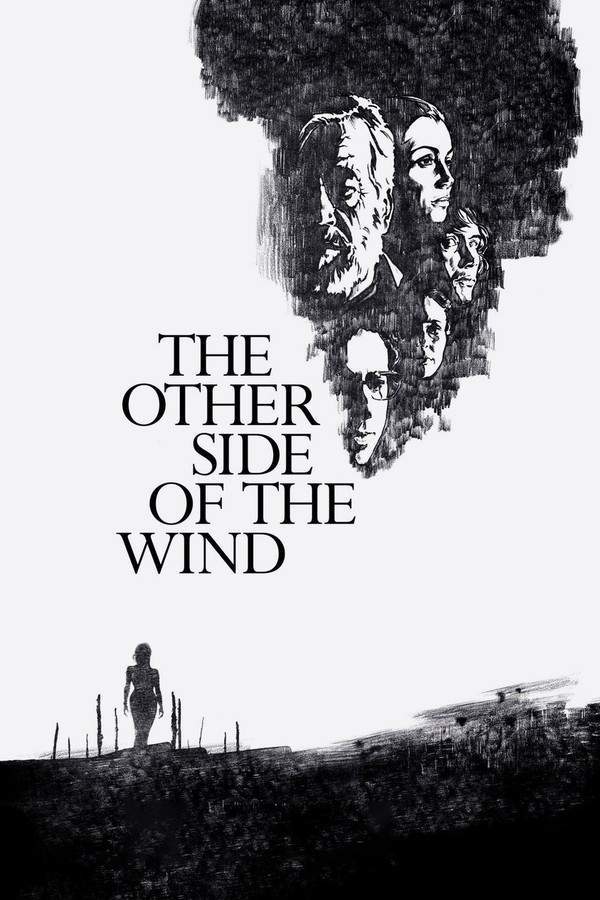

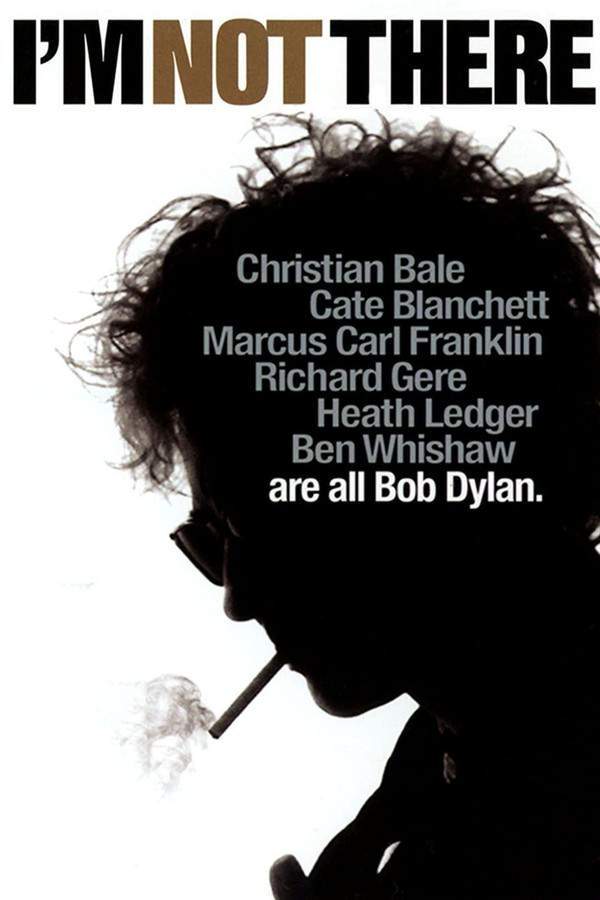
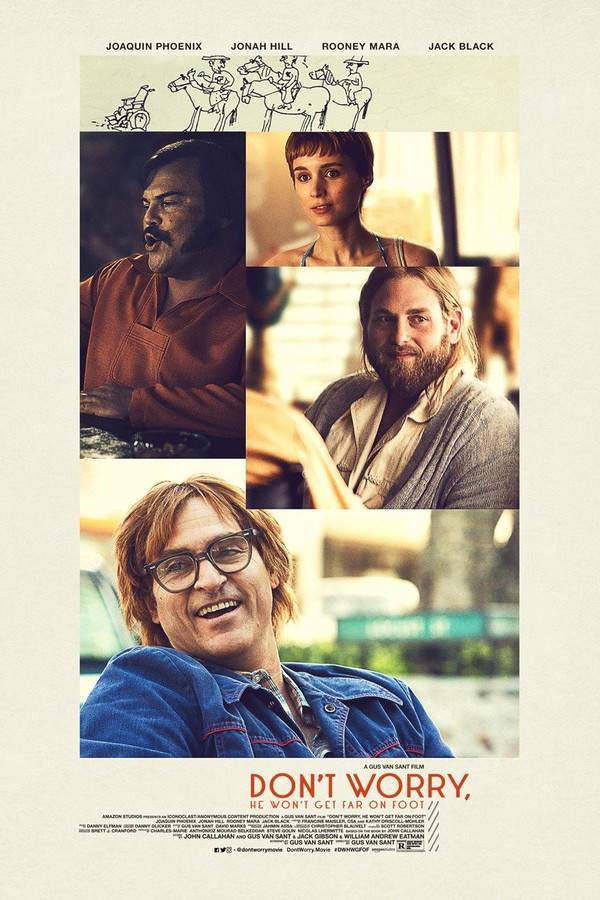
Featured on this page

What's After the Movie?
Not sure whether to stay after the credits? Find out!




Explore Our Movie Platform
New Movie Releases (2025)
Famous Movie Actors
Top Film Production Studios
Movie Plot Summaries & Endings
Major Movie Awards & Winners
Best Concert Films & Music Documentaries
Movie Collections and Curated Lists
© 2025 What's After the Movie. All rights reserved.