
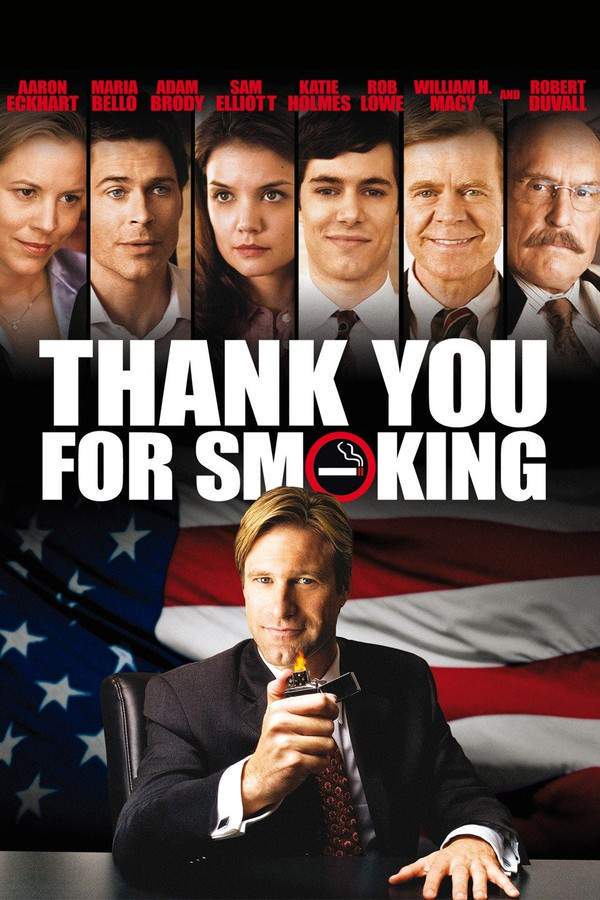
Thank You for Smoking 2006

Directed by
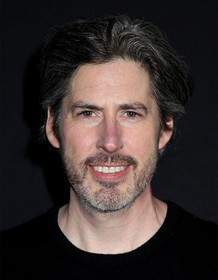
Jason Reitman
Made by
Fox Searchlight Pictures
Thank You for Smoking Plot Summary
Read the complete plot summary and ending explained for Thank You for Smoking (2006). From turning points to emotional moments, uncover what really happened and why it matters.
Nick Naylor is the charismatic spokesman for Big Tobacco, leveraging dubious “research” from the organization he serves as vice-president, the Academy of Tobacco Studies, which claims no connection exists between tobacco and lung disease. Alongside his friends, Bobby Jay Bliss, a firearms lobbyist, and Polly Bailey, a lobbyist for alcohol, Naylor casually refers to their trio as the “Merchants of Death” or “The MOD Squad” during their weekly meetings. As anti-smoking campaigns gain traction and fewer young people take up the habit, Naylor receives an assignment from his boss, BR, to secure cigarette product placements in upcoming films in Los Angeles. He decides to take his young son, Joey, along for some quality bonding time.
The following day, Naylor meets with Lorne Lutch, the former Marlboro Man turned anti-smoking advocate. As his son observes, Naylor manages to persuade Lutch to accept a suitcase filled with cash to remain silent about tobacco. Meanwhile, Senator Finistirre, one of Naylor’s most vocal adversaries, pushes for a bill that would mandate a skull and crossbones poison warning on cigarette packaging. Just before Naylor is set to testify against the bill, he is kidnapped by a secretive group and subjected to nicotine patches. When he regains consciousness in a hospital, he discovers that while his impressive nicotine tolerance saved him, he has now become hypersensitive to it and can never smoke again.
Complicating matters, Naylor finds himself embroiled with a young reporter named Heather Holloway, who seduces him into disclosing confidential details about his life and career. Her subsequent exposé paints him in a negative light, accusing him of corrupting his son with his unethical ways, leading to significant PR damage that costs him his job. Naylor, undeterred, admits to the affair during a press conference and vows to vindicate those named in Holloway’s article.
When he finally appears before the Senate committee, Naylor openly acknowledges the dangers of smoking but argues that the public is already well-informed enough to avoid additional warning labels. He champions the idea of personal responsibility, stating that if tobacco companies are held liable for smoking-related deaths, then perhaps Vermont, known for its cheese production, should bear some blame for cholesterol-related fatalities.
In a surprising turn, BR offers him his old position again, but Naylor declines, noting that Big Tobacco is settling liability claims. He also reveals that Heather has suffered a fall from grace after being dismissed from her job and is now covering the weather as a cub reporter. Embracing his son’s budding interest in debate, Naylor opens a private lobbying firm. The MOD Squad continues to meet, integrating new members that advocate for fast-food, oil, and biohazard industries. Naylor has since established Naylor Strategic Relations, advising mobile industry representatives worried about claims linking cellphones to brain cancer. He aptly remarks, > “Michael Jordan plays ball. Charles Manson kills people. I talk. Everyone has a talent.”
Thank You for Smoking Timeline
Follow the complete movie timeline of Thank You for Smoking (2006) with every major event in chronological order. Great for understanding complex plots and story progression.
Introduction of Nick Naylor
Nick Naylor is introduced as the charismatic spokesman for Big Tobacco, representing the Academy of Tobacco Studies. He employs dubious research to promote the illusion that smoking has no harmful health effects. His confident demeanor sets the tone for his controversial lifestyle.
Formation of The MOD Squad
Naylor collaborates with his friends, Bobby Jay Bliss and Polly Bailey, who lobby for firearms and alcohol respectively. This trio, self-referentially dubbed 'The Merchants of Death', meets weekly to discuss strategies for countering anti-smoking campaigns. Their bonding highlights the morally ambiguous nature of their work.
Assignment from BR
Naylor receives a new assignment from his boss, BR, aimed at securing cigarette product placements in Hollywood films. Recognizing the cultural influence of cinema, Naylor decides to bring along his young son, Joey, for some quality father-son time. This sets the stage for a mix of personal and professional challenges.
Meeting Lorne Lutch
Naylor meets Lorne Lutch, the former Marlboro Man who has since become an anti-smoking advocate. During this encounter, he attempts to persuade Lutch to refrain from speaking out by bribing him with cash. This interaction highlights the lengths to which Naylor will go to protect his employer's interests.
Senator Finistirre's Bill
Senator Finistirre, a relentless opponent of tobacco, proposes a bill to place poison warnings on cigarette packaging. His efforts intensify the pressure on Naylor as he prepares to testify against this bill. The growing legislative threat illustrates the escalating battle between tobacco advocates and public health advocates.
Kidnapping Incident
Naylor is kidnapped by a secretive group just before he testifies against the Senate bill. They expose him to nicotine patches, leading to extreme consequences. When he awakens in a hospital, he discovers he has developed a hypersensitivity to nicotine, impacting his career and personal life.
Affair with Heather Holloway
Naylor becomes romantically involved with reporter Heather Holloway. She seduces him into revealing sensitive information about his career, which she later publishes in an exposé that tarnishes his reputation. This personal betrayal has professional ramifications, costing him dearly.
Press Conference Fallout
During a press conference, Naylor candidly admits to his affair with Holloway, asserting his commitment to defending those named in her article. His honesty, however, does little to mitigate the public relations nightmare he faces. This moment showcases his resilience amidst adversity.
Testify Before Senate Committee
Naylor testifies before the Senate committee, where he acknowledges the dangers of smoking. However, he argues that the public is already well-informed and should practice personal responsibility. His statements reflect a shift towards promoting individual choice over imposed warnings.
Declining the Old Position
After his Senate testimony, BR offers Naylor his old job back. Surprisingly, he declines, pointing out that Big Tobacco is settling liability claims and he is ready for a new path. This moment signifies Naylor's transformation and growing independence from the tobacco industry.
Heather's Downfall
Heather Holloway faces her own consequences after Naylor's revelations. Once a prominent journalist, she is demoted to covering the weather as a cub reporter. This turn of events reflects the cyclical nature of public reputation and the unforgiving world of media.
Launching a New Lobbying Firm
Embracing his son's interest in debate, Naylor decides to open a private lobbying firm. This new venture allows him to continue being an advocate while shaping the narrative in a different light. It signifies his shift towards a more personal and entrepreneurial approach.
Continuation of The MOD Squad Meetings
The MOD Squad continues to hold meetings, now welcoming new members representing other industries like fast-food and oil. This expansion underscores the network's growth and their ongoing fight against public scrutiny. Their alliance challenges the perception of lobbyists.
Naylor Strategic Relations
Nick Naylor establishes Naylor Strategic Relations, where he advises mobile industry representatives concerned about health claims associated with cellphones. His career as a lobbyist evolves, as he applies his skills to new controversies. This pivot demonstrates his versatility in a changing landscape.
Final Thoughts
In a reflection on his work, Naylor states, 'Michael Jordan plays ball. Charles Manson kills people. I talk. Everyone has a talent.' This quote encapsulates his belief in the power of persuasion and the unique role of a lobbyist in shaping public perception. It leaves a lasting impression of his character.
Thank You for Smoking Characters
Explore all characters from Thank You for Smoking (2006). Get detailed profiles with their roles, arcs, and key relationships explained.
Nick Naylor (Aaron Eckhart)
Nick Naylor is a suave and persuasive lobbyist for Big Tobacco who navigates the complexities of public relations and ethics in the face of anti-smoking campaigns. His charisma often masks his questionable morals, as he manipulates situations to benefit his industry, showing a complex nature of charm intertwined with ethical ambiguity.
Heather Holloway (Maria Bello)
Heather Holloway is an ambitious journalist who initially uses her charm to extract confidential information from Nick. Her character reflects the cutthroat nature of the media industry and the consequences that can arise from ethical breaches, as she ultimately faces a fall from grace after exposing Nick.
Joey (Cameron Bright)
Joey is Nick's young son, who serves as both a companion and a moral compass throughout the film. His innocent perspective on his father's work and the repercussions it has on their relationship underscores the generational impact of parental choices and influence in life.
Thank You for Smoking Settings
Learn where and when Thank You for Smoking (2006) takes place. Explore the film’s settings, era, and how they shape the narrative.
Time period
The film does not specify a distinct time period but captures contemporary issues regarding tobacco use, media influence, and corporate lobbying. It reflects societal attitudes towards smoking in the early 2000s, amidst growing anti-tobacco sentiment and health awareness.
Location
Los Angeles, Vermont
Los Angeles is a vibrant city known for its entertainment industry and as a hub for film production. It serves as the backdrop for Nick Naylor's endeavors to secure cigarette placements in movies. Vermont, on the other hand, is famous for its cheese production, and is humorously referenced in the context of personal responsibility and health discussions surrounding tobacco.
Thank You for Smoking Themes
Discover the main themes in Thank You for Smoking (2006). Analyze the deeper meanings, emotional layers, and social commentary behind the film.
🌀
Morality
The film explores the moral implications of corporate lobbying and the responsibility individuals have towards their health. Nick Naylor's journey highlights the ethical dilemmas faced by those representing potentially harmful industries, questioning the values of personal responsibility versus corporate accountability.
💼
Lobbying
Lobbying serves as a central theme in the movie, depicting the power dynamics involved in influencing public perception and policy. The character of Nick Naylor epitomizes the charismatic yet morally ambiguous lobbyist who uses his charm and rhetoric to advocate for the tobacco industry.
🗞️
Media Manipulation
The role of media in shaping public perception is critically examined through Nick's interactions with journalist Heather Holloway. Her exposé reveals the impact of media ethics and sensationalism, portraying how narratives can be twisted to serve personal agendas.

Thank You for Smoking Spoiler-Free Summary
Discover the spoiler-free summary of Thank You for Smoking (2006). Get a concise overview without any spoilers.
In a glossy, media‑saturated world where spin often drowns out substance, Nick Naylor stands out as a master of persuasion. A smooth‑talking lobbyist for the tobacco industry, he navigates boardrooms, talk‑show panels, and the ever‑watchful eye of the press with a confidence that feels both exhilarating and unsettling. The film’s tone mixes sharp satire with a breezy, almost playful rhythm, allowing the audience to glimpse the absurdity of a trade built on controversy while still feeling the weight of its real‑world implications.
Around him, a small circle of equally charismatic lobbyists provides both camaraderie and competition. Bobby Jay Bliss, a firearms advocate, and Polly Bailey, who represents the alcohol sector, join Nick in weekly meetings that feel part strategy session, part philosophical debate. Their banter—filled with dark jokes about being “Merchants of Death”—highlights a world where moral lines are often blurred, yet bonds are forged through shared expertise and a love of the game. Interwoven with his professional life is Nick’s role as a father, a dynamic that adds a quieter, more vulnerable layer to his otherwise polished exterior.
The political landscape shifts as a determined senator launches a high‑profile campaign against smoking, threatening to upend the industry’s carefully curated image. This looming legislative battle forces Nick to wield his rhetorical talents not just for profit, but for personal conviction, as he wrestles with the paradox of defending a product while protecting his own family’s future. The tension between public responsibility and private ambition creates a compelling undercurrent that drives the story’s central conflict.
Styled with crisp dialogue, witty one‑liners, and a glossy, newsroom‑like aesthetic, the movie invites viewers to question the nature of persuasion itself. It balances humor with incisive commentary, offering a glimpse into the seductive allure of influence while leaving the deeper ethical questions tantalizingly open. As Nick maneuvers through a maze of media scrutiny, corporate loyalty, and paternal love, the film remains a sharp, engaging portrait of a man who talks his way through any crisis—no matter how contentious.
Featured on this page

What's After the Movie?
Not sure whether to stay after the credits? Find out!




Explore Our Movie Platform
New Movie Releases (2026)
Famous Movie Actors
Top Film Production Studios
Movie Plot Summaries & Endings
Major Movie Awards & Winners
Best Concert Films & Music Documentaries
Movie Collections and Curated Lists
© 2026 What's After the Movie. All rights reserved.