
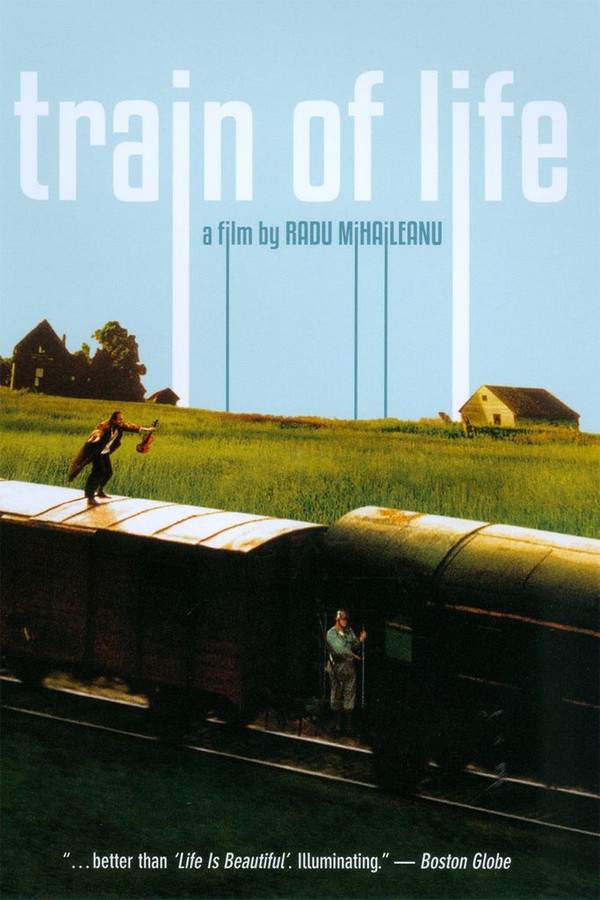
Train of Life 1999

Directed by

Radu Mihaileanu
Made by

Paramount Classics
Train of Life Plot Summary
Read the complete plot summary and ending explained for Train of Life (1999). From turning points to emotional moments, uncover what really happened and why it matters.
The film opens with Schlomo (Lionel Abelanski) running frantically through a forest, his voice narrating the chilling memories of Nazi horrors witnessed in a nearby town. Arriving in the town, he finds the local rabbi, and together they rally the townspeople for an urgent meeting. Initially, many are skeptical, viewing Schlomo as the village madman with tales too dark to believe. However, the rabbi lends credibility to Schlomo’s warnings, prompting a collective discussion about the imminent threats.
As they contemplate their fate amid disputes and doubts, Schlomo proposes an audacious plan: to construct a train for a mass deportation, but with a twist—while they pretend to be heading to a concentration camp, their real destination is Palestine, routed through Russia. Thus, the Train of Life is conceived, sparking a mix of hope and anxiety among the townsfolk.
Their journey through the rural landscapes of Eastern Europe becomes a complex saga, filled with internal tensions among the passengers, dangerous encounters with genuine Nazis, and encounters with Communist partisans. They also share fleeting moments of camaraderie with the Roma people, all while navigating the perils that lie between the German and Soviet frontline.
The narrative culminates with a poignant voice-over from Schlomo, reflecting on the fates of those aboard the train once it reaches the Soviet Union: some ventured onward to Palestine, others found a new life in the Soviet lands, and a few even reached America. Just as he is about to share the closing remarks, the scene shifts to a close-up of his face. With a grave expression, he states, > “That is the true story of my shtetl…” but the moment swiftly transitions as the camera zooms out, revealing him grinning and clad in prisoner’s garb behind the barbed wire of a concentration camp, finishing with a wry, “Ye nu, almost the true story!”
Train of Life Timeline
Follow the complete movie timeline of Train of Life (1999) with every major event in chronological order. Great for understanding complex plots and story progression.
Schlomo's Frantic Escape
The film opens with Schlomo running through a dense forest, filled with panic as he recalls the horrors he witnessed during the Nazi regime. His narration sets a chilling atmosphere, as he reflects on the memories of terror that have haunted him since.
Rallying the Townspeople
Upon reaching the nearby town, Schlomo seeks out the local rabbi. Together, they hold an urgent meeting to warn the townspeople about the impending dangers posed by the Nazis, aiming to unite the community against the threat.
Skepticism Among the Townsfolk
Initially, many townspeople dismiss Schlomo's warnings, viewing him as a madman with fanciful tales. However, the rabbi's support lends him credibility, stirring the community to discuss their fate together amidst rising concerns.
The Proposal of the Train of Life
Amidst the discussions, Schlomo outlines an audacious plan to build a train for mass deportation. He suggests that while they will pretend to be going to a concentration camp, their true destination will be Palestine, traveling through Russia to avoid detection.
Birth of Hope
The conception of the Train of Life brings a mix of hope and trepidation among the villagers. They begin to prepare for the dangerous journey ahead, uniting in purpose while grappling with the enormity of the situation.
Journey Through Eastern Europe
The villagers embark on their journey through the picturesque, yet perilous landscapes of Eastern Europe. As they travel, they face internal tensions among the passengers, highlighting the different backgrounds and beliefs that complicate their mission.
Dangerous Encounters
During their travels, the group encounters genuine Nazis, heightening the sense of danger that accompanies their journey. These moments test their resolve, forcing them to find courage amidst fear for their lives.
Meeting Communist Partisans
The travelers have tense and uncertain interactions with Communist partisans along their route. This encounter adds to the complexity of their journey, as they must navigate the political landscape while remaining true to their mission.
Camaraderie with the Roma People
In a moment of respite, the group shares brief but meaningful moments with the Roma people. These encounters illustrate themes of solidarity and shared humanity during a time of widespread hatred and division.
Reflections on Fate
As they reach the Soviet Union, Schlomo reflects on the fates of those aboard the train. He shares that some continued onward to Palestine while others settled in the Soviet Union or even reached America, revealing the diverse paths of survival.
Closing Thoughts
Schlomo’s voice-over poignantly conveys the bittersweet experiences of the journey. Just as he is about to wrap up his account, the tone shifts unexpectedly, leading to a striking visual of him clad in prisoner attire.
A Grim Twist
The film concludes with a powerful juxtaposition as Schlomo’s grave reflections are interrupted by his grin behind the barbed wire of a concentration camp. He delivers a wry line, emphasizing the complicated nature of truth in storytelling.
Train of Life Characters
Explore all characters from Train of Life (1999). Get detailed profiles with their roles, arcs, and key relationships explained.
Schlomo
Schlomo is a compelling figure who embodies both fear and hope throughout the film. Initially viewed as a madman, he eventually transforms into a leader, rallying the townspeople to confront their grim reality. His character grapples with the trauma of past horrors while planning an audacious escape, illustrating his deep love for his community and yearning for freedom.
Train of Life Settings
Learn where and when Train of Life (1999) takes place. Explore the film’s settings, era, and how they shape the narrative.
Time period
World War II
Set during World War II, this period is defined by immense turmoil, displacement, and the haunting specter of the Holocaust. The film reflects the desperation and resilience of those seeking refuge from Nazi persecution. The characters’ experiences highlight their fight for survival against overwhelming odds during one of history's darkest chapters.
Location
Eastern Europe, Palestine, Soviet Union
The movie primarily unfolds in the rural landscapes of Eastern Europe, a region historically marked by conflict and cultural diversity. As the characters embark on their journey, they aim to reach Palestine, representing a land of hope and escape from oppression. The Soviet Union also plays a significant role, serving as a crucial waypoint in their quest for safety.
Train of Life Themes
Discover the main themes in Train of Life (1999). Analyze the deeper meanings, emotional layers, and social commentary behind the film.
🚂
Hope and Desperation
The film intricately weaves the themes of hope and desperation as the main characters plot their daring escape from imminent danger. Their determination to build a train symbolizes their desire for freedom and new beginnings. Amidst the dire circumstances of war, moments of camaraderie and solidarity emerge, showcasing the resilience of the human spirit.
🤝
Community and Survival
As Schlomo rallies the townsfolk, the theme of community is central to the narrative. Their collective efforts to deceive the oppressors reflect the lengths to which people will go to protect each other. The camaraderie that develops among diverse groups, including interactions with the Roma people, further emphasizes the importance of unity in the face of crisis.

Train of Life Spoiler-Free Summary
Discover the spoiler-free summary of Train of Life (1999). Get a concise overview without any spoilers.
In the shadow of a looming occupation, a small Eastern‑European shtetl finds itself on the brink of unimaginable change. As the war tightens its grip, the residents confront the stark reality that staying put may mean oblivion. Amid whispered prayers and hurried meetings, the community conceives a daring, almost fantastical plan: to assemble a train that will appear to be a forced deportation while secretly charting a path toward freedom. The notion of a moving sanctuary, humming through war‑scarred landscapes, sets a tone that balances trembling anxiety with the stubborn glow of hope.
Schlomo arrives breathless from the forest, his voice already a hushed chronicle of horrors witnessed beyond the town’s borders. Paired with the quiet authority of the local rabbi, his frantic warnings ignite both skepticism and resolve among the townspeople. Their personalities clash and mesh—cynics, dreamers, the fearful, and the resolute—creating a vibrant tapestry of communal spirit. The film’s atmosphere is at once tender and razor‑sharp, punctuated by moments of unexpected levity that surface even as danger looms. Through its ensemble, the story paints a portrait of a people who, despite the weight of history pressing upon them, cling to shared jokes, whispered songs, and fleeting glances of love.
The world of the film is rendered in a palette of muted earth tones dotted with bursts of color that mirror the characters’ fleeting joys. Its tone walks a fine line between melancholy and dark comedy, inviting viewers to feel the pulse of a community daring to rewrite its destiny. The train itself becomes a moving stage where strangers become companions, where laughter echoes against the clatter of wheels, and where the resilience of the human spirit is quietly, yet insistently, celebrated. This promise of a journey toward an uncertain horizon fuels the narrative’s intrigue, leaving the audience eager to see how hope can travel on rails forged by courage.
Movies with Similar Twists and Themes
Uncover films that echo the narrative beats, emotional arcs, or dramatic twists of the one you're exploring. These recommendations are handpicked based on story depth, thematic resonance, and spoiler-worthy moments — perfect for fans who crave more of the same intrigue.

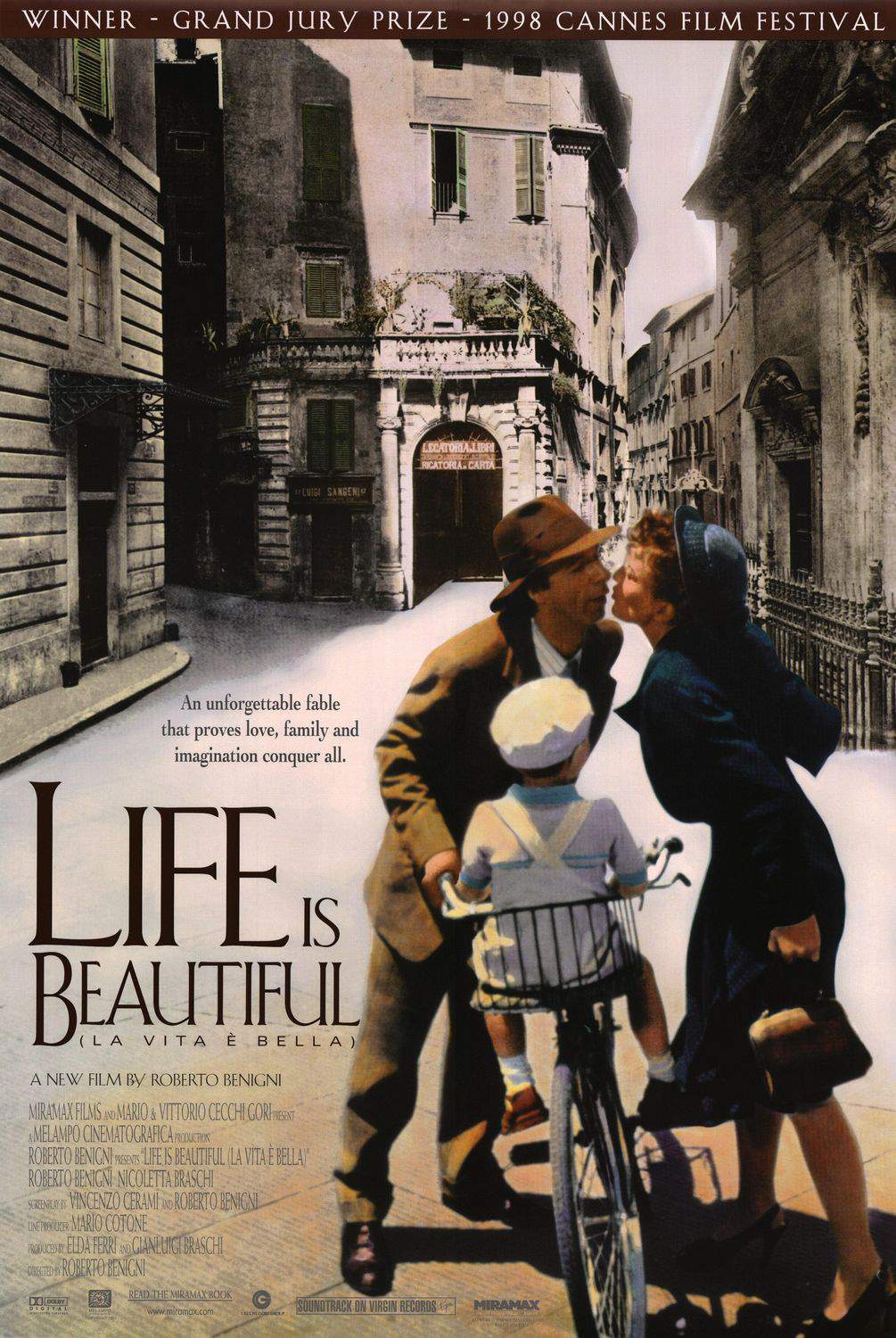


Featured on this page

What's After the Movie?
Not sure whether to stay after the credits? Find out!




Explore Our Movie Platform
New Movie Releases (2026)
Famous Movie Actors
Top Film Production Studios
Movie Plot Summaries & Endings
Major Movie Awards & Winners
Best Concert Films & Music Documentaries
Movie Collections and Curated Lists
© 2026 What's After the Movie. All rights reserved.