
Agnes of God 1985


A young nun, Sister Agnes, is accused of a shocking crime, and a court-appointed psychiatrist, Dr. Martha Livingston, is brought in to assess her. Agnes claims to have no memory of the events and insists on a virgin birth, presenting a perplexing case that challenges Dr. Livingston’s professional and personal beliefs. As the psychiatrist investigates, she becomes entangled in a complex web of faith, doubt, and conflicting institutional interests, struggling to discern the truth and facing powerful forces determined to control the narrative.


Does Agnes of God have end credit scenes?
No!
Agnes of God does not have end credit scenes. You can leave when the credits roll.
Meet the Full Cast and Actors of Agnes of God
Explore the complete cast of Agnes of God, including both lead and supporting actors. Learn who plays each character, discover their past roles and achievements, and find out what makes this ensemble cast stand out in the world of film and television.


External Links and Streaming Options
Discover where to watch Agnes of God online, including streaming platforms, rental options, and official sources. Compare reviews, ratings, and in-depth movie information across sites like IMDb, TMDb, Wikipedia or Rotten Tomatoes.











Ratings and Reviews for Agnes of God
See how Agnes of God is rated across major platforms like IMDb, Metacritic, and TMDb. Compare audience scores and critic reviews to understand where Agnes of God stands among top-rated movies in its genre.

52
Metascore
7.0
User Score


44%
TOMATOMETER

59%
User Score

6.6 /10
IMDb Rating

62
%
User Score
Awards & Nominations for Agnes of God
Discover all the awards and nominations received by Agnes of God, from Oscars to film festival honors. Learn how Agnes of God and its cast and crew have been recognized by critics and the industry alike.

Music (Original Score)
Best Supporting Performance in a Motion Picture – Drama, Comedy or Musical (Supporting Actress)
Meg TillyFull Plot Summary and Ending Explained for Agnes of God
Read the complete plot summary of Agnes of God, including all major events, twists, and the full ending explained in detail. Explore key characters, themes, hidden meanings, and everything you need to understand the story from beginning to end.
In a Roman Catholic convent in Montreal, Quebec, the quiet of evening prayers is shattered when screams erupt from the room of Sister Agnes, Meg Tilly, a young novice. Agnes is found in her room bleeding, and in a basket lies a dead infant. The stark discovery sets off a chain of questions about what really happened in the confinement of the convent, where devotion and fear mingle in the dim corridors.
Sister Agnes is charged with manslaughter, and the case lands on the desk of the court psychiatrist Dr. Martha Livingston, Jane Fonda. Her mission is to determine whether Agnes is competent to stand trial. In their early interviews, Agnes claims she does not remember being pregnant or giving birth, and she reveals a startling limited understanding of how babies are conceived. Mother Superior Miriam, Anne Bancroft, the head of the convent, describes her as an “innocent” who has been kept sheltered from the world, insisting that Agnes could not have known what pregnancy was or who the father might be. The tension between protecting Agnes and uncovering the truth becomes a central drama of the investigation.
Mother Miriam recaps a troubling episode: Agnes stopped eating because she believed she was getting fat, then displayed stigmata on her hand that healed itself within a day. Agnes recounts a growing closeness with Sister Marie-Paul, the eldest nun, who supposedly shows her a “secret place”—a bell tower—that she later leads Livingston to see. The two women spar over family history, Agnes’s mother, and how much Agnes truly understands about sex and birth, underscoring a theme of naivety versus exposure to the world beyond the cloister.
Miriam insists that Agnes must have conceived on January 23, the night she burned her bedsheets and confessed they were “stained.” While the court’s gaze wanders across the convent grounds, Livingston discovers a barn off the property. A brief clash with a young Monsignor raises questions about faith, doubt, and the ability of a medical professional to treat Agnes with dignity when her beliefs are in conflict with reason. Livingston learns that Agnes’s mother suffered verbal and sexual abuse, and that Agnes is Miriam’s niece, a revelation that deepens the complicated web of loyalty, guilt, and family ties within the convent walls.
Permission to hypnotize Agnes is granted, but Miriam resists, fearing that such an intervention would strip away the girl’s innocence. Under hypnosis, Agnes admits she gave birth and that another nun knew about the pregnancy, though she refuses to identify the accomplice. A workroom in the convent hides a concealed staircase that leads to a tunnel opening into the barn, a detail an archivist explains is common in older convents to allow discreet movement between buildings during harsh winters. The conflict over the investigation intensifies as Miriam seeks to have Livingston removed; the court, however, keeps the doctor on the case.
A second round of hypnosis brings more dramatic revelations. Miriam acknowledges that she knew about the pregnancy and had placed the wastebasket in Agnes’s room, yet she continues to deny any role in the baby’s death. Under trance, Agnes recalls that on the night Sister Marie-Paul died, she was told by someone who had seen “Him” from the bell tower to meet “Him” in the barn. The recovered memories hint at a presence—human or divine—that overshadows the event. Then, suddenly, Agnes presents the stigmata again and bleeds, declaring that “He” raped her and that she hates God for it. The record indicates that Miriam was present at the birth but left briefly, and Agnes believes the baby was killed because it was a “mistake” like herself.
The trial culminates in a verdict of not guilty by reason of insanity, and Agnes is returned to the convent, where she will be visited by a doctor periodically. Before the judge, she reveals one final, haunting detail: she heard “Him” singing beneath her bedroom window for six nights in a row, and on the seventh night, he lay on top of her, implying that she may have been raped and impregnated by a trespasser. The case leaves open the possibility of further inquiries into faith, memory, and the marks left by trauma on a young woman who remains within the walls she knows as home.

Watch Trailers, Clips & Behind-the-Scenes for Agnes of God
Watch official trailers, exclusive clips, cast interviews, and behind-the-scenes footage from Agnes of God. Dive deeper into the making of the film, its standout moments, and key production insights.
Cars Featured in Agnes of God
Explore all cars featured in Agnes of God, including their makes, models, scenes they appear in, and their significance to the plot. A must-read for car enthusiasts and movie buffs alike.
Agnes of God Themes and Keywords
Discover the central themes, ideas, and keywords that define the movie’s story, tone, and message. Analyze the film’s deeper meanings, genre influences, and recurring concepts.
Agnes of God Other Names and Titles
Explore the various alternative titles, translations, and other names used for Agnes of God across different regions and languages. Understand how the film is marketed and recognized worldwide.
Similar Movies To Agnes of God You Should Know About
Browse a curated list of movies similar in genre, tone, characters, or story structure. Discover new titles like the one you're watching, perfect for fans of related plots, vibes, or cinematic styles.


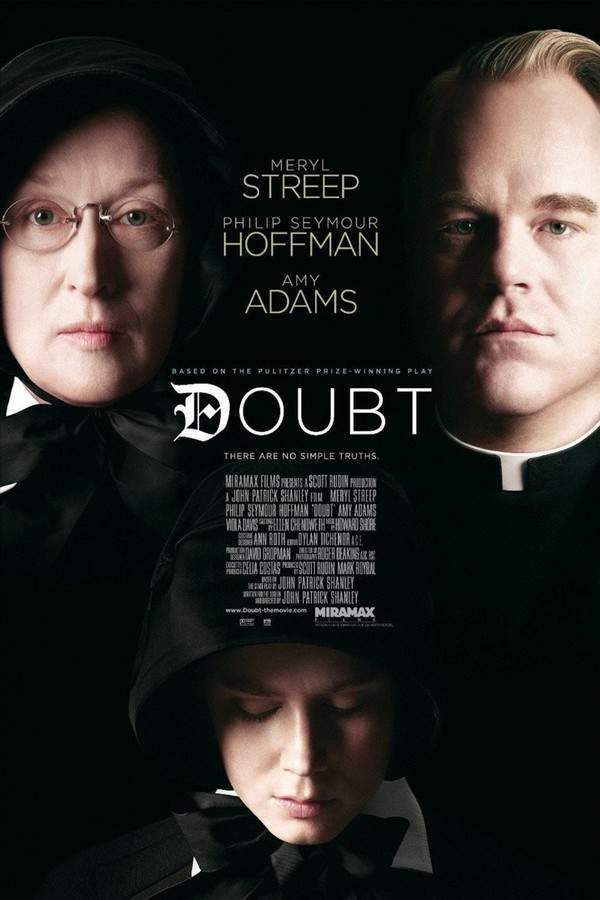



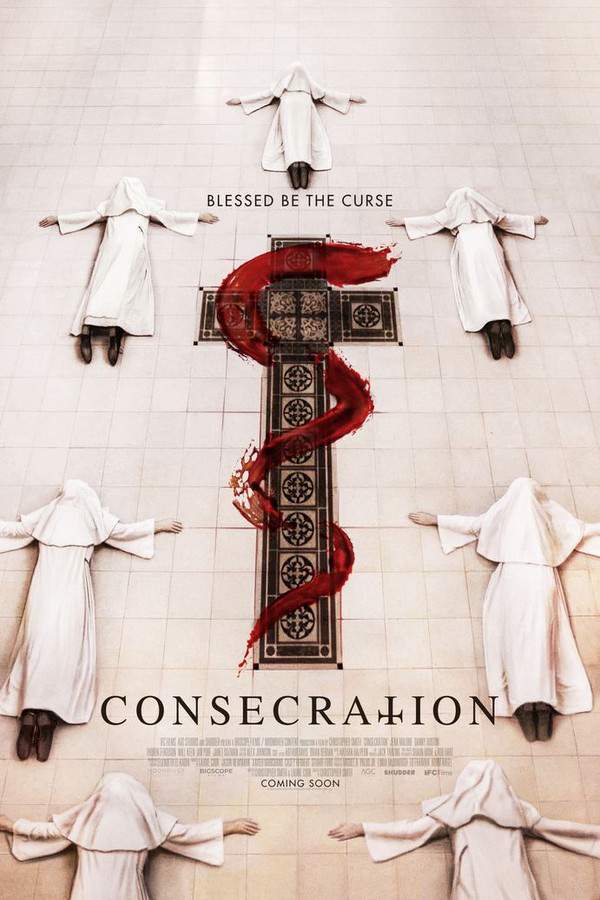








Quick Links: Summary, Cast, Ratings, More

What's After the Movie?
Not sure whether to stay after the credits? Find out!




Explore Our Movie Platform
New Movie Releases (2025)
Famous Movie Actors
Top Film Production Studios
Movie Plot Summaries & Endings
Major Movie Awards & Winners
Best Concert Films & Music Documentaries
Movie Collections and Curated Lists
© 2025 What's After the Movie. All rights reserved.