
Clock 2023

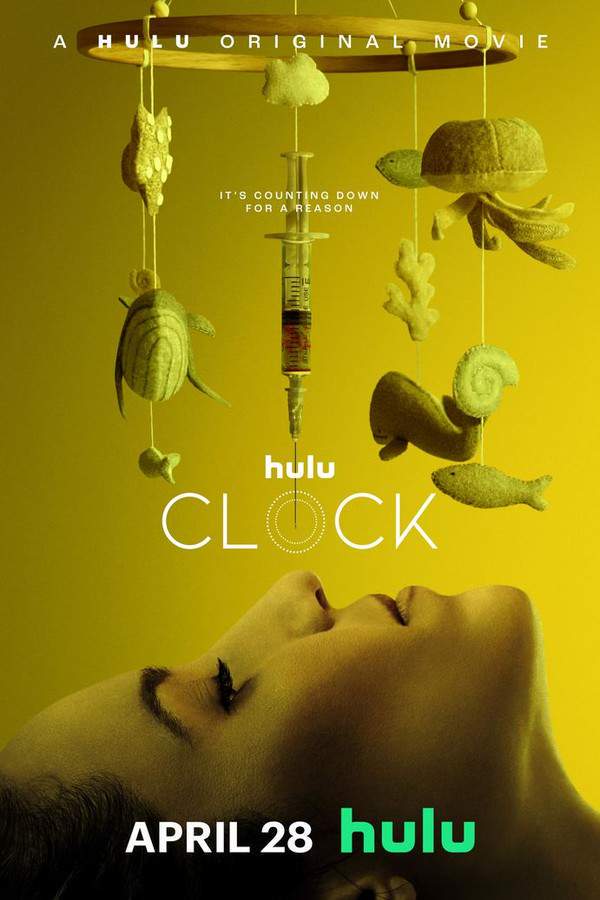
Facing immense pressure to start a family, a woman participates in an experimental clinical trial designed to reverse the effects of aging. Hoping to regain control of her life and save her marriage, Ella's pursuit of a solution leads her down a challenging and unpredictable path, confronting unforeseen consequences and questioning the very nature of time and motherhood.

Does Clock have end credit scenes?
No!
Clock does not have end credit scenes. You can leave when the credits roll.
Meet the Full Cast and Actors of Clock
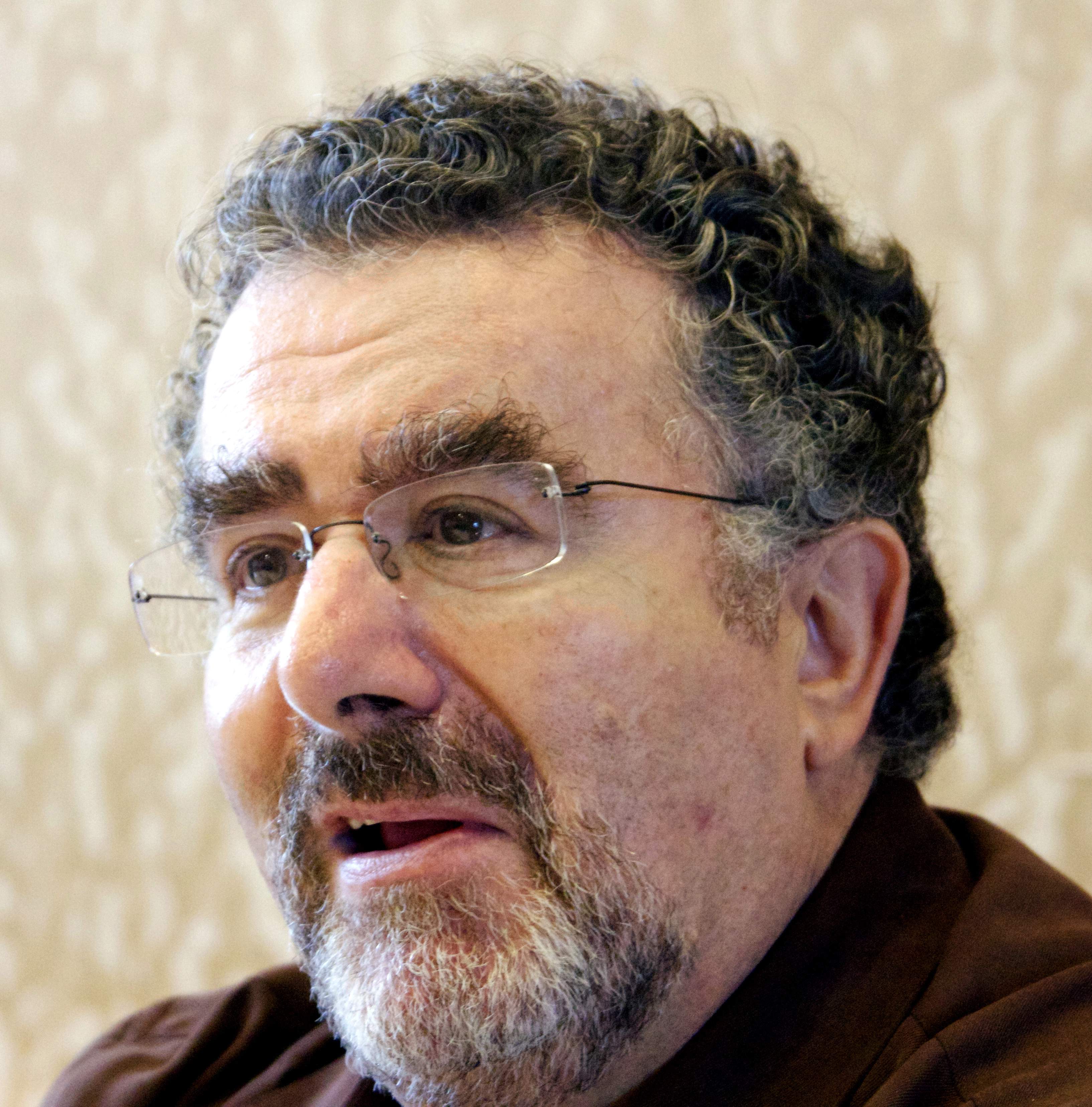
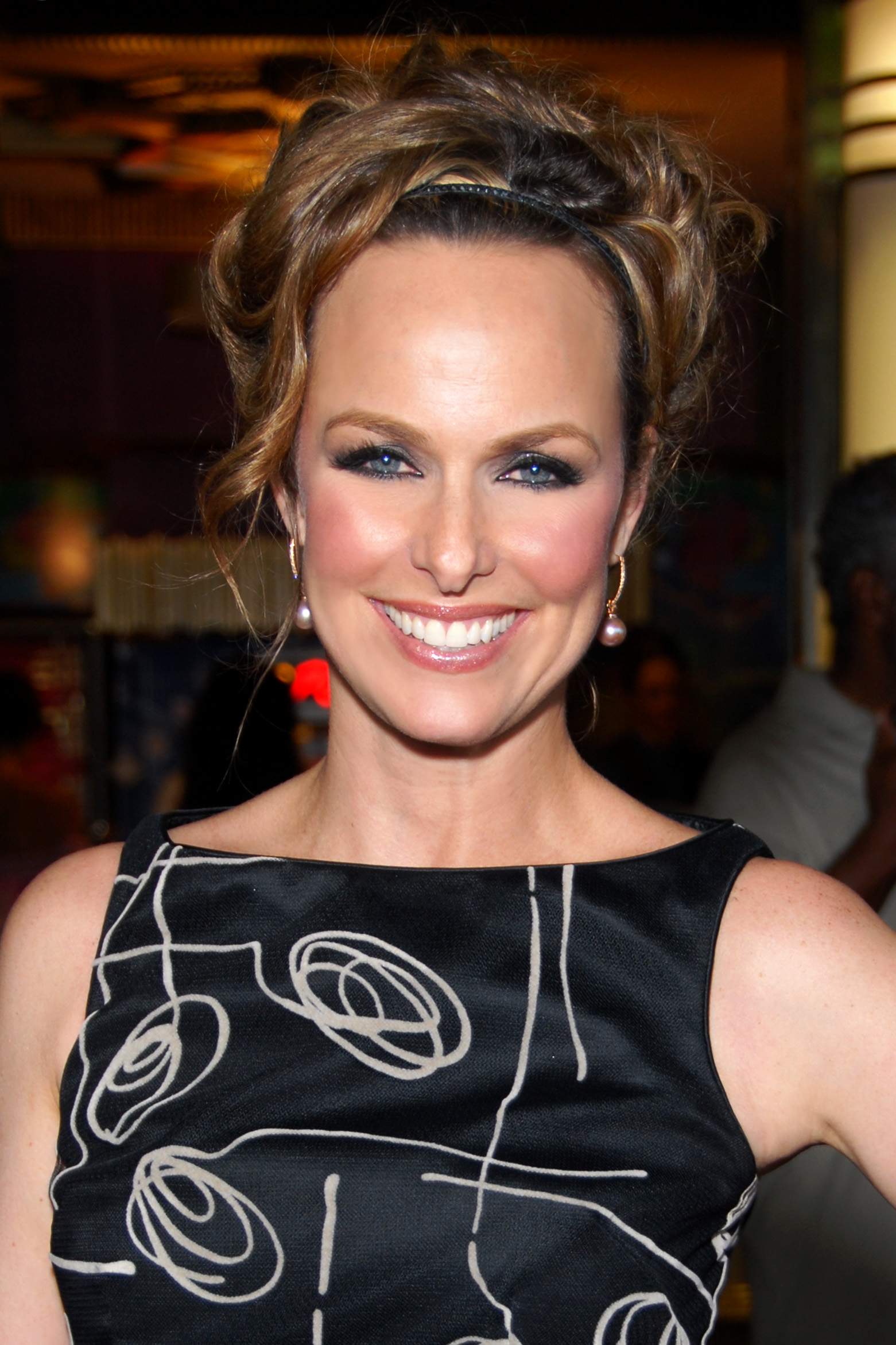
Explore the complete cast of Clock, including both lead and supporting actors. Learn who plays each character, discover their past roles and achievements, and find out what makes this ensemble cast stand out in the world of film and television.



External Links and Streaming Options
Discover where to watch Clock online, including streaming platforms, rental options, and official sources. Compare reviews, ratings, and in-depth movie information across sites like IMDb, TMDb, Wikipedia or Rotten Tomatoes.









Ratings and Reviews for Clock
See how Clock is rated across major platforms like IMDb, Metacritic, and TMDb. Compare audience scores and critic reviews to understand where Clock stands among top-rated movies in its genre.

The Movie Echo Score
Clock presents a thematically ambitious horror piece that succeeds in provoking discomfort through its visual language and topical focus, yet it falters in narrative cohesion and tonal consistency. Critics and viewers note the film’s unsettling imagery and strong performances, especially from Dianna Agron, while also highlighting repetitive sequences and uneven pacing. The mixed reception results in a film that is memorable for its ideas but uneven in execution, delivering a moderately positive overall impression.
The Movie Echo Score Breakdown for Clock

Art & Craft
In terms of art and craft, the film delivers striking visual motifs and a gritty aesthetic that linger after viewing. Reviewers commend the disturbing imagery and vivid cinematography, though some note heavy-handed metaphors and occasional editing lapses. The production design effectively supports the claustrophobic atmosphere, but moments of visual redundancy detract from overall polish. Consequently, the technical execution is solid with notable strengths and minor flaws.

Character & Emotion
When evaluating character and emotion, the lead performance by Dianna Agron stands out as a nuanced and compelling portrayal that anchors the narrative. Supporting actors receive praise for adding depth to the thematic exploration. However, several critics point to uneven character development and limited emotional resonance in secondary arcs. The chemistry between protagonists generally holds up, though the script sometimes constrains the expressiveness of the cast, resulting in a generally strong but imperfect character landscape.

Story & Flow
Story and flow present a mixed picture, with a core premise that interrogates societal pressure on women and offers fresh thematic material. While many find the concept thought‑provoking, the execution is often described as meandering, repetitive, and overly reliant on genre tropes. Predictable plot beats and an unwieldy climax dilute the film’s originality, leading to a narrative that engages intermittently but fails to sustain momentum throughout.

Sensory Experience
The sensory experience of Clock is marked by a disturbing soundscape and a visual style that reinforces its uneasy tone. Critics highlight the effective use of sound design and unsettling score, which amplify the film’s horror elements. Though some reviewers mention cheap scares, the overall auditory and visual cohesion contributes positively to immersion. The film’s sensory palette, while occasionally uneven, largely succeeds in creating a haunting atmosphere.

Rewatch Factor
Rewatch factor for Clock is modest; the film offers enough unsettling moments and thematic depth to warrant a second viewing for those interested in its social commentary. Yet, predictable plot points and uneven pacing may limit repeat enjoyment for broader audiences. While some viewers find lasting appeal in its visual and psychological impact, others see little incentive to revisit, resulting in a moderate replay value.

59
Metascore
4.5
User Score


79%
TOMATOMETER

70%
User Score

5.0 /10
IMDb Rating
56
%
User Score

2.7
From 11 fan ratings

0.00/5
Take the Ultimate Clock Movie Quiz
Challenge your knowledge of Clock with this fun and interactive movie quiz. Test yourself on key plot points, iconic characters, hidden details, and memorable moments to see how well you really know the film.
Clock: A Journey Through Choices and Fears: Test your knowledge on the psychological nuances and events of 'Clock' as Ella navigates her struggles with motherhood and self-discovery.
What age is Ella approaching in the film?
Full Plot Summary and Ending Explained for Clock
Read the complete plot summary of Clock, including all major events, twists, and the full ending explained in detail. Explore key characters, themes, hidden meanings, and everything you need to understand the story from beginning to end.
Ella, a 37-year-old woman, finds herself grappling with societal and familial pressure to have children, a path she is not keen on pursuing. Her father, a descendant of Holocaust survivors, nudges her to reconsider her stance on motherhood. Meanwhile, her husband, Aiden, encourages her to consult with Dr. Webber for a breast cancer screening. During the visit, Ella, burdened with anxiety about childbirth, expresses her hope for her biological clock to start ticking. Dr. Webber, however, implies that Ella’s clock may be broken and proposes an experimental treatment instead.
In an effort to explore this option, Ella opts to enroll in the study, all while claiming to focus on a work project, which she ultimately abandons via a phone call. She meets Dr. Elizabeth Simmons, who confidently assures her that an implant and hormone therapy can reset her biological clock. Following her advice, Ella begins a regimen of prescribed pills, leading to unexpected and vivid hallucinations during a Rorschach test. The images she sees—a very tall woman, a family of deceased bugs, and a grandfather clock—trigger intense discussions with Dr. Simmons, who interprets the clock as a symbol of Ella’s dread regarding her legacy.
Ella’s journey takes a more harrowing turn when she’s subjected to a sensory deprivation chamber, where she confronts her deepest fears, imagining a future with a baby while being overwhelmed by graphic scenes of childbirth. In a moment of panic, she begs to be released, but when the chamber opens, she encounters the tall woman, causing her to fall and lose consciousness. Upon awakening, Dr. Simmons reassures her that her strong reaction is positive. Despite the bizarre hallucinations that plague her daily life, including losing her color vision and seeing ordinary individuals transformed into the tall woman, Ella continues to hide her symptoms to remain in the study.
The tensions escalate when Ella attends a gathering at her friend Shauna’s home, where the sight of her pregnant friend further complicates her already tumultuous emotional state. During the party, hallucinations continue to torment her, leading to an intense incident where she nearly crushes Shauna’s belly with a heavy book. Disturbed by her behavior, Shauna’s wife intervenes, and the situation spirals downhill. The pressure mounts as Ella’s father sustains an injury, and in a fit of rage, she destroys the grandfather clock in their home, feeling as if she were dismantling a part of her legacy.
After a tumultuous confrontation in their relationship, Ella discovers the truth about Aiden’s complicity in her participation in the study, stemming from a discussion he had with Dr. Webber. This revelation sends her into a fury, prompting her to take drastic actions against Dr. Simmons and the implant she has inserted. The situation escalates into chaos as Ella tears the implant from her body in a desperate bid for autonomy and clarity.
With the police closing in and emotionally consumed by her actions, Ella finds herself at a cliff’s edge. A revealing phone call from Aiden confirms the magnitude of her choices, leaving her to confront the horror that the clock was a metaphor for her father’s mortality. In a moment of despair, she leaps off the cliff, landing at the water’s edge, miraculously unharmed. As she lies there, a strange fish-like creature approaches her, symbolizing yet another twist in her journey of self-discovery and uncertainty.
Watch Trailers, Clips & Behind-the-Scenes for Clock
Watch official trailers, exclusive clips, cast interviews, and behind-the-scenes footage from Clock. Dive deeper into the making of the film, its standout moments, and key production insights.
Clock Themes and Keywords
Discover the central themes, ideas, and keywords that define the movie’s story, tone, and message. Analyze the film’s deeper meanings, genre influences, and recurring concepts.
Clock Other Names and Titles
Explore the various alternative titles, translations, and other names used for Clock across different regions and languages. Understand how the film is marketed and recognized worldwide.
Similar Movies To Clock You Should Know About
Browse a curated list of movies similar in genre, tone, characters, or story structure. Discover new titles like the one you're watching, perfect for fans of related plots, vibes, or cinematic styles.






Quick Links: Summary, Cast, Ratings, More

What's After the Movie?
Not sure whether to stay after the credits? Find out!




Explore Our Movie Platform
New Movie Releases (2025)
Famous Movie Actors
Top Film Production Studios
Movie Plot Summaries & Endings
Major Movie Awards & Winners
Best Concert Films & Music Documentaries
Movie Collections and Curated Lists
© 2025 What's After the Movie. All rights reserved.