
Jubilee 1979
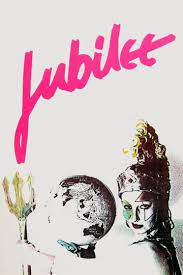
A dedicated protector and a charming corgi find themselves on an extraordinary quest through London. Their mission: to retrieve the Queen’s crown, which has gone missing. The journey blends elements of drama, fantasy, comedy, and music, creating a heartwarming story about the power of friendship and the importance of determination in overcoming challenges.


Does Jubilee have end credit scenes?
No!
Jubilee does not have end credit scenes. You can leave when the credits roll.
Meet the Full Cast and Actors of Jubilee
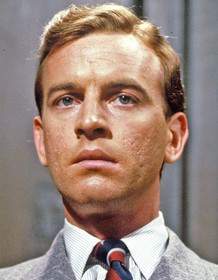
Explore the complete cast of Jubilee, including both lead and supporting actors. Learn who plays each character, discover their past roles and achievements, and find out what makes this ensemble cast stand out in the world of film and television.


External Links and Streaming Options
Discover where to watch Jubilee online, including streaming platforms, rental options, and official sources. Compare reviews, ratings, and in-depth movie information across sites like IMDb, TMDb, Wikipedia or Rotten Tomatoes.








Ratings and Reviews for Jubilee
See how Jubilee is rated across major platforms like IMDb, Metacritic, and TMDb. Compare audience scores and critic reviews to understand where Jubilee stands among top-rated movies in its genre.

79
Metascore
tbd
User Score

60
%
User Score
Take the Ultimate Jubilee Movie Quiz
Challenge your knowledge of Jubilee with this fun and interactive movie quiz. Test yourself on key plot points, iconic characters, hidden details, and memorable moments to see how well you really know the film.
Jubilee (1979) Quiz: Test your knowledge of the 1979 cult film *Jubilee*, covering its characters, key plot events, and underlying themes.
Which occultist transports Queen Elizabeth I to the film’s present day?
Full Plot Summary and Ending Explained for Jubilee
Read the complete plot summary of Jubilee, including all major events, twists, and the full ending explained in detail. Explore key characters, themes, hidden meanings, and everything you need to understand the story from beginning to end.
Queen Elizabeth I Jenny Runacre [is transported] by the occultist John Dee, who commands Ariel from The Tempest to bring her into the film’s present day. She lands in a ruined, mid-1970s Britain, moving through crumbling streets and a city that feels hollowed out by social and urban decay. The surrounding world is populated by a loose, aimless group of nihilists—mostly young women—whose lives are as fragmentary as the city around them, and among them are the provocatively named Amyl Nitrate, Bod, Chaos, Crabs and Mad, each contributing to a mood that is as anarchic as it is disenchanted. Amyl Nitrate, Toyah Willcox leads a squat-based scene where history is taught in a way that glorifies radical violence, even as she reminisces about a past life in ballet, a juxtaposition that foreshadows the film’s ongoing tension between artifice and cruelty, performance and peril.
In this volatile milieu, an early set piece introduces Sphinx and Angel, two incestuous bisexual brothers who loom over the group’s dynamics with a charged, unsettling presence. The narrative’s momentum is propelled by the disturbing act Bod commits: she, a sex-hating anarchist, has just strangled and killed Queen Elizabeth II, stealing her crown in a capricious street robbery. The act marks a brutal, destabilizing turn in a film already shimmying between fantasy, satire, and raw aggression.
From the squat, the action spills into a café where Crabs drifts toward a younger musician named Kid, Mad rips up postcards, and Bod launches a crude assault on a waitress using a bottle of tomato sauce. Bod then makes contact with the impresario Borgia Ginz, a character who embodies the crossover between show business and political opportunism. When Ginz enters the scene, Amyl’s presence is already clear, and the pair’s meeting unfolds with a sense of theatricality and menace; Borgia Ginz introduces a new axis of power, and his ambitions—turning abandoned spaces into musical venues—signal a rot the city is already chewing on. Jack Birkett appears here as the impresario, linking the persona to its on-screen presence.
Ginz’s arrival reveals a broader plan: to convert the derelict Westminster Cathedral and Buckingham Palace into performance spaces, a bold, brazen fusion of culture and desecration that mirrors the gang’s escalating trespasses. The group’s progress is punctuated by violence as well as music, with Mad, Bod and Crabs asphyxiating a one-night stand named Happy Days with red plastic sheeting, and Bod throttling an androgynous rock star named Lounge Lizard—a brutal interruption to a world where gigs and glamour seem within reach only to slip away again.
The story threads a violent rhythm through Westminster Cathedral’s disco milieu, where Kid and a policeman clash in a feverish altercation. As Kid makes a television debut, Viv—a former artist who is drawn into the gang’s orbit—joins Sphinx, Angel and the male members on a visit to Max, an ex-soldier at a bingo hall. The city’s policing and morality collide in a frenzy of brutality, claiming Sphinx, Angel and Kid in a cascade of violent police action. In the wake of these deaths, revenge becomes a driving force: Bod and Amyl execute a calculated assault to castrate the policeman who begins an affair with Crabs, while the other officer—now a target of Bod’s bombing—meets a fiery end at his own doorstep.
As the violence peaks, Ginz leads the four women away to Dorset, a reclusive, right-wing aristocratic enclave that he regards as “the only safe place to live these days.” The move marks a surreal pivot from urban decay to a pastoral, almost nostalgic refuge, and it culminates in a recording contract that promises a future amid a social order the film insists is already broken. The crew’s journey is juxtaposed with Dee, Ariel, and Elizabeth’s attempts to interpret the signs of anarchic modernity around them, and the film closes on a strange, poignant return to a sixteenth-century sensibility, a dreamlike respite that juxtaposes Elizabeth’s spectral presence with the era’s own myths and dreams.
Throughout, the film maintains a detached, observational tone, letting its shocking events unfold with a chilly, almost documentary clarity. The characters drift through a world that treats violence as spectacle and performance as a currency, and the narrative never shies away from the uncomfortable collisions between history, rebellion, and the commodification of art. The result is a provocative, fragrantly transgressive tableau in which power, sexuality, and identity collide across time, leaving the viewer to weigh the costs of cultural decay against the lure of spectacle and music.

Watch Trailers, Clips & Behind-the-Scenes for Jubilee
Watch official trailers, exclusive clips, cast interviews, and behind-the-scenes footage from Jubilee. Dive deeper into the making of the film, its standout moments, and key production insights.
Jubilee Themes and Keywords
Discover the central themes, ideas, and keywords that define the movie’s story, tone, and message. Analyze the film’s deeper meanings, genre influences, and recurring concepts.
Jubilee Other Names and Titles
Explore the various alternative titles, translations, and other names used for Jubilee across different regions and languages. Understand how the film is marketed and recognized worldwide.
Similar Movies To Jubilee You Should Know About
Browse a curated list of movies similar in genre, tone, characters, or story structure. Discover new titles like the one you're watching, perfect for fans of related plots, vibes, or cinematic styles.











Quick Links: Summary, Cast, Ratings, More

What's After the Movie?
Not sure whether to stay after the credits? Find out!




Explore Our Movie Platform
New Movie Releases (2025)
Famous Movie Actors
Top Film Production Studios
Movie Plot Summaries & Endings
Major Movie Awards & Winners
Best Concert Films & Music Documentaries
Movie Collections and Curated Lists
© 2025 What's After the Movie. All rights reserved.