
Lust for Life 1956

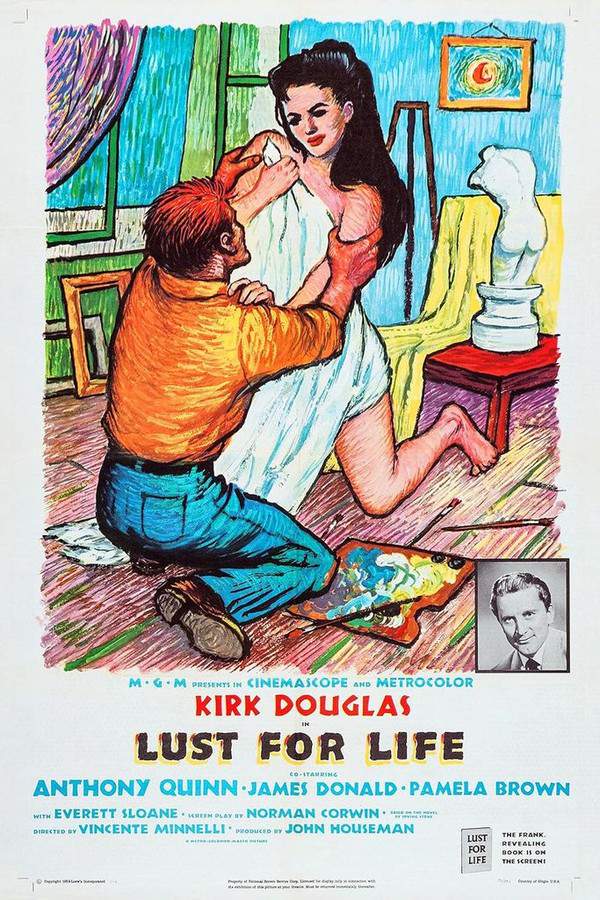
This sweeping biopic explores the passionate and troubled life of Vincent Van Gogh, a brilliant artist struggling with mental anguish. Driven by unbridled creative fervor, he pours his soul onto canvas, seeking inspiration and validation. His tumultuous relationship with fiery mentor Paul Gauguin further complicates his journey as he battles self-doubt and seeks to overcome the darkness that threatens to consume him.

Does Lust for Life have end credit scenes?
No!
Lust for Life does not have end credit scenes. You can leave when the credits roll.
Meet the Full Cast and Actors of Lust for Life
Explore the complete cast of Lust for Life, including both lead and supporting actors. Learn who plays each character, discover their past roles and achievements, and find out what makes this ensemble cast stand out in the world of film and television.



External Links and Streaming Options
Discover where to watch Lust for Life online, including streaming platforms, rental options, and official sources. Compare reviews, ratings, and in-depth movie information across sites like TMDb, Wikipedia, Rotten Tomatoes or Metacritic.







Ratings and Reviews for Lust for Life
See how Lust for Life is rated across major platforms like IMDb, Metacritic, and TMDb. Compare audience scores and critic reviews to understand where Lust for Life stands among top-rated movies in its genre.

68
Metascore
tbd
User Score


80%
TOMATOMETER

81%
User Score

72
%
User Score
Awards & Nominations for Lust for Life
Discover all the awards and nominations received by Lust for Life, from Oscars to film festival honors. Learn how Lust for Life and its cast and crew have been recognized by critics and the industry alike.
Art Direction (Color)
Writing (Screenplay—Adapted)
Full Plot Summary and Ending Explained for Lust for Life
Read the complete plot summary of Lust for Life, including all major events, twists, and the full ending explained in detail. Explore key characters, themes, hidden meanings, and everything you need to understand the story from beginning to end.
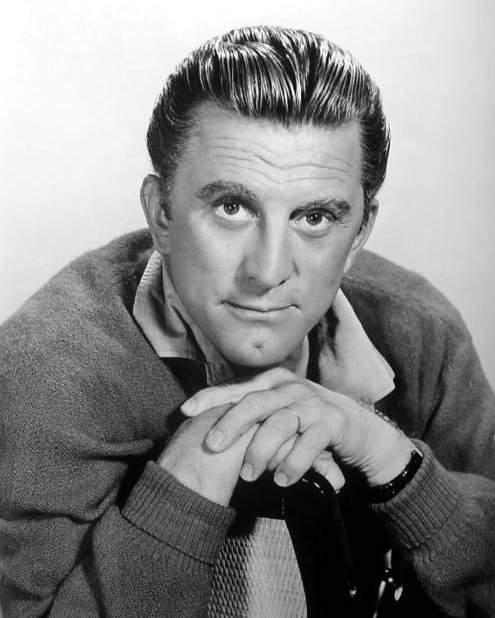
Vincent [Kirk Douglas] has trained to be a minister, like his father, but the church authorities deem him unsuitable. They assign him to a very poor mining community, where the harsh conditions and the miners’ daily grind pull at his conscience and he begins to sketch their world, choosing to tell their stories with his drawings rather than through sermons. The church leaders frown on his growing social activism and his care for the disadvantaged, marking a rift between his ideals and institutional doctrine.
He returns home to his father’s house, where a woman he obsessively loves—his cousin—rejects him because he cannot support himself. He follows her to her family home and, in a fervent display of devotion, places his hand over a candle flame, only to learn that she’s disgusted by him and wants nothing to do with him again.
He shifts toward art, and his cousin Anton Mauve [Anthony Quinn] steps in with paint and supplies, encouraging him to paint. His brother Theo van Gogh [James Donald] provides steadfast financial and moral support, becoming a crucial lifeline as Vincent grapples with poverty and pursuit of a true artistic voice. He also experiences a difficult chapter with a prostitute who leaves him, a reminder of how far he is from conventional success.
Yet his passion for painting only grows stronger, and he pursues his art with a fierce, sometimes painful, insistence on capturing what he sees, even as his inner vision feels elusive and imperfect. After his father’s death, he travels to Paris with Theo, where he encounters the world of the Impressionists and discovers new possibilities for color, light, and form.
The bond with Theo proves complex, and Vincent eventually heads to sunny Arles, hoping to forge a more independent path. There, Paul Gauguin (a fellow artist he met in Paris) joins him for a period, and life seems briefly bright and productive. But the intensity of Vincent’s obsession proves too much for Gauguin, and their collaboration ends in conflict, prompting Gauguin’s departure. In the aftermath, Vincent’s anguish erupts as he cuts off his own ear.
Seizures and instability follow, and he voluntarily suspends himself in a mental institution where he is allowed to paint. He signs himself out and, with Theo’s support, returns to a rural landscape to resume his work. While painting cornfields, he is haunted by the presence of the crows and the stubborn ache of not being able to render his vision exactly as he sees it. In a final, desperate moment, he pulls a revolver and shoots himself, dying in his bed a few days later.
In this sweeping chronicle, the film follows a life driven by a relentless search for truth in color and light, a struggle between spiritual duty and artistic impulse, and a love of humanity that persists even amid poverty, rejection, and despair. The portrayal captures the tenderness of his relationships, the frustration of his creative process, and the fragile arc of a genius who remains compelled to paint what the world looks like to him, until the last breath. [Kirk Douglas]

Watch Trailers, Clips & Behind-the-Scenes for Lust for Life
Watch official trailers, exclusive clips, cast interviews, and behind-the-scenes footage from Lust for Life. Dive deeper into the making of the film, its standout moments, and key production insights.
Lust for Life Other Names and Titles
Explore the various alternative titles, translations, and other names used for Lust for Life across different regions and languages. Understand how the film is marketed and recognized worldwide.
Quick Links: Summary, Cast, Ratings, More

What's After the Movie?
Not sure whether to stay after the credits? Find out!




Explore Our Movie Platform
New Movie Releases (2025)
Famous Movie Actors
Top Film Production Studios
Movie Plot Summaries & Endings
Major Movie Awards & Winners
Best Concert Films & Music Documentaries
Movie Collections and Curated Lists
© 2025 What's After the Movie. All rights reserved.