
The Libertine 2005

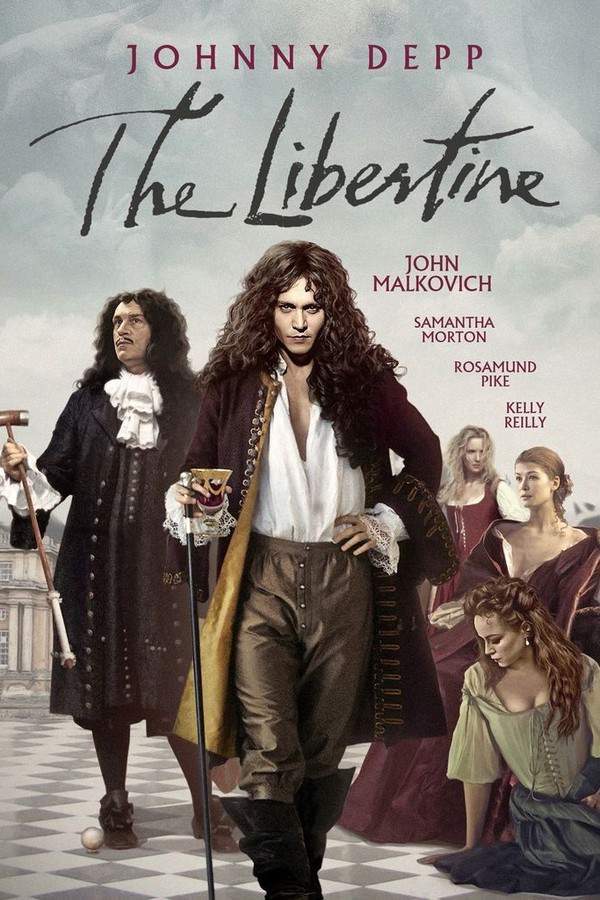
The story follows John Wilmot, Earl of Rochester, a notorious figure known for his extravagant lifestyle and numerous romantic relationships. Commissioned by King Charles II to write a play, Rochester’s sharp wit and satirical observations lead him on a challenging journey. He confronts difficult choices as he balances personal freedom with the constraints of loyalty and the court's expectations, navigating a world of power, pleasure, and peril.


Does The Libertine have end credit scenes?
No!
The Libertine does not have end credit scenes. You can leave when the credits roll.
Meet the Full Cast and Actors of The Libertine
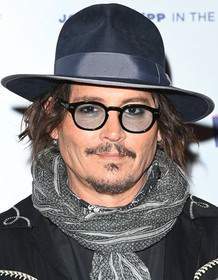
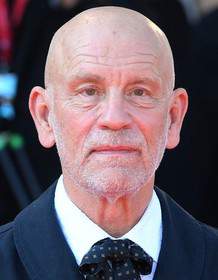
Explore the complete cast of The Libertine, including both lead and supporting actors. Learn who plays each character, discover their past roles and achievements, and find out what makes this ensemble cast stand out in the world of film and television.
External Links and Streaming Options
Discover where to watch The Libertine online, including streaming platforms, rental options, and official sources. Compare reviews, ratings, and in-depth movie information across sites like IMDb, TMDb, Wikipedia or Rotten Tomatoes.









Ratings and Reviews for The Libertine
See how The Libertine is rated across major platforms like IMDb, Metacritic, and TMDb. Compare audience scores and critic reviews to understand where The Libertine stands among top-rated movies in its genre.

44
Metascore
7.0
User Score


%
TOMATOMETER

0%
User Score

59
%
User Score
Take the Ultimate The Libertine Movie Quiz
Challenge your knowledge of The Libertine with this fun and interactive movie quiz. Test yourself on key plot points, iconic characters, hidden details, and memorable moments to see how well you really know the film.
The Libertine (2005) Quiz: Test your knowledge of the 2005 film *The Libertine*, starring Johnny Depp as the notorious poet Earl of Rochester, his relationships, political intrigues, and the dramatic events that shape his rise and fall.
Which actor plays John Wilmot, the Second Earl of Rochester?
Full Plot Summary and Ending Explained for The Libertine
Read the complete plot summary of The Libertine, including all major events, twists, and the full ending explained in detail. Explore key characters, themes, hidden meanings, and everything you need to understand the story from beginning to end.
In 1675, Johnny Depp portrays John Wilmot, Second Earl of Rochester, delivering a vivid prologue that lays bare the man’s indulgent appetites: a fondness for drink, a restless sexual energy, and a biting contempt for the people who fill the audience around him. This opening sets a roguish, sardonic tone that will thread through his rise, his misadventures, and his ultimate decline.
Back in London, the political wheel turns in Rochester’s favor when King Charles II, John Malkovich, withdraws the Earl’s banishment because the crown has a use for him in the House of Lords. The earl reconnects with his notorious “Merry Gang”—George Etherege and Charles Sackville—in a bawdy venue that hums with conniving wit and drunken bravado. A chance street encounter with Alcock, a clever but unscrupulous thief, leads Rochester to hire him as his gentleman, expanding his circle of temptation and deceit. The Merry Gang also introduces a fresh, dangerous recruit, an 18-year-old named Billy Downs, whose presence carries its own set of risks. Rochester warns Downs in no uncertain terms: “Young man, you will die of this company,” signaling the perilous lure of the life he now advocates.
Their troupe attends a theater where the actress Elizabeth Barry is booed off the stage, dismissed when she refuses to take a curtain call, and subsequently fired. Rochester sees in Barry a rare talent and engineers her re-employment with the company. He takes on the role of mentor, coaching her in the craft of acting, and her abilities surge as a result. Under his tutelage, Barry delivers a performance of striking brilliance in her next production, a transformation that draws the attention of the court. The King, watching closely, hints at a dual purpose: he desires Barry to become a spy of sorts, to observe Rochester as he works toward a grand tribute to the French Ambassador. The intrigue thickens as power, art, and desire intersect behind the scenes.
Charles, seeking funds from France and craving a public monument to his reign, asks Rochester to craft a play in honor of the ambassador’s visit. Rochester rises to the challenge, composing Sodom, or the Quintessence of Debauchery, a scorching satire that he insists is “a monument to Charles”—the very thing the king requested, albeit delivered through a lens of sharp satire and biting audacity. The premiere becomes a volatile confrontation when the king interrupts the performance and confronts Rochester onstage, leaving the audience in stunned silence. Rochester flees London in the wake of the confrontation, a legacy of scandal trailing behind him.
Tension escalates as Downs is mortally wounded in a sword fight outside a constable’s residence, and Rochester, standing apart from the scene, whispers a rueful, regretful line: “I told you.” The earl’s life begins to spiral as he hides from the king in the English countryside, burdened by the physical toll of syphilis. He peddles phony gynecological “treatments” for women, marketing “potions” distilled from Alcock’s urine, a grotesque symbol of his decline and the scams that have become entwined with his fame. His face soon bears the marks of syphilitic gummata, and he disguises his deformity beneath a mask. Charles eventually tracks him down, but the punishment is severe in its restraint: the king’s verdict is that “the worst punishment possible is to simply ‘let you be you.’” Rochester returns to his estate and his wife, Elizabeth, who declares her enduring love for him, even as he remains haunted by what he has become.
Political drama intensifies as Charles’s choice of heir—the Roman Catholic James, Duke of York—sparks a heated parliamentary showdown over the Exclusion Bill. Rochester, who arrives in the Lords with the aid of disguises and artificial aids (make-up and a silver nose tip) to mask his symptoms, strides in hobbling on two canes. His fierce denunciation of the bill wins the king’s approval when the measure is defeated, illustrating how Rochester’s talents—fierce rhetoric and fearless honesty—still hold sway in the political arena, even as his body weakens. A dramatic revelation arrives in the talk of the theater: Rochester confesses a desire to make Elizabeth Barry his wife, only to discover she never desired to become anyone’s wife in the traditional sense. She reveals a secret of her own—the existence of a daughter she had with Rochester, a child whom he did not know existed, named Elizabeth.
Rochester returns to his estate to confront the physical and emotional toll of years of excess. He ends up bedridden, cared for by Elizabeth and his mother, as a priest is brought in to “bring God to him,” a final attempt to anchor his soul as he fights the encroaching end. Alcock remains a shadow in the background of these last chapters, a reminder of the morally ambiguous networks that sustained Rochester’s life. In his final hours, Rochester asks the priest to recite a passage from Isaiah, chapter 53, and begs Elizabeth to recount the story of how she was abducted when she was eighteen and how they fell in love, a memory thatTestifies to a complicated, intertwined history of romance, power, and risk.
Rochester’s death is followed by a haunting image: Elizabeth Barry stepping into the role of his wife in Etherege’s Man of Mode, a meta-theatrical echo of Rochester’s own life and the public theater that surrounded him. The epilogue fades into a candlelit hush, with Rochester slipping toward darkness and murmuring a final, intimate question that lingers in the air: Do you like me now?
Throughout, the film blends sharp social satire with intimate portraits of longing, friendship, ambition, and self-destruction. It tracks Rochester’s ascent among the Merry Gang, his high-stakes literary gambits, his volatile relationship with Elizabeth Barry, and his inexorable slide into physical decay and moral ambiguity. The result is a portrait of a man who could wield social influence with dazzling wit while also becoming a casualty of the very milieu he helped promote, leaving behind a scattered, controversial legacy that continues to spark discussion about art, power, and desire.

Watch Trailers, Clips & Behind-the-Scenes for The Libertine
Watch official trailers, exclusive clips, cast interviews, and behind-the-scenes footage from The Libertine. Dive deeper into the making of the film, its standout moments, and key production insights.
The Libertine Themes and Keywords
Discover the central themes, ideas, and keywords that define the movie’s story, tone, and message. Analyze the film’s deeper meanings, genre influences, and recurring concepts.
The Libertine Other Names and Titles
Explore the various alternative titles, translations, and other names used for The Libertine across different regions and languages. Understand how the film is marketed and recognized worldwide.
Similar Movies To The Libertine You Should Know About
Browse a curated list of movies similar in genre, tone, characters, or story structure. Discover new titles like the one you're watching, perfect for fans of related plots, vibes, or cinematic styles.

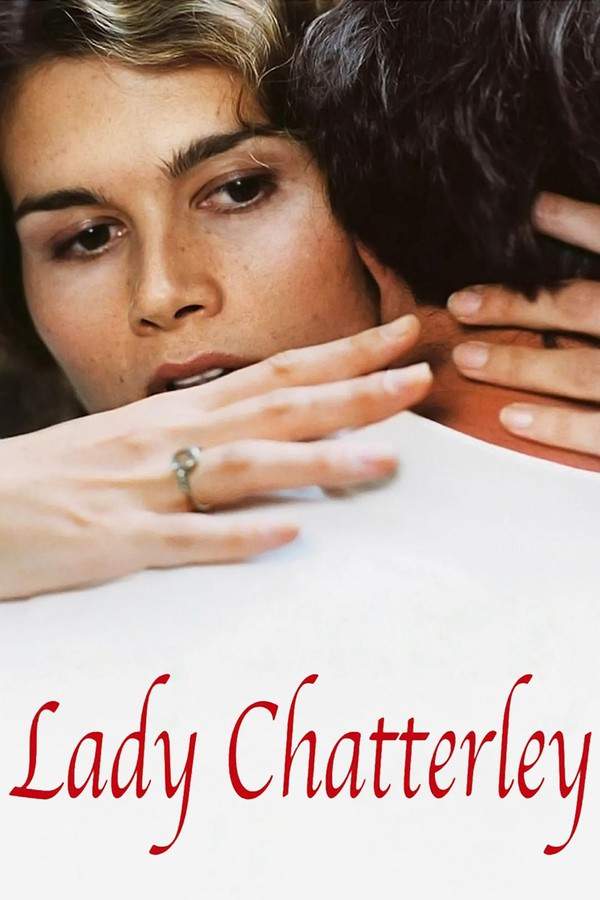
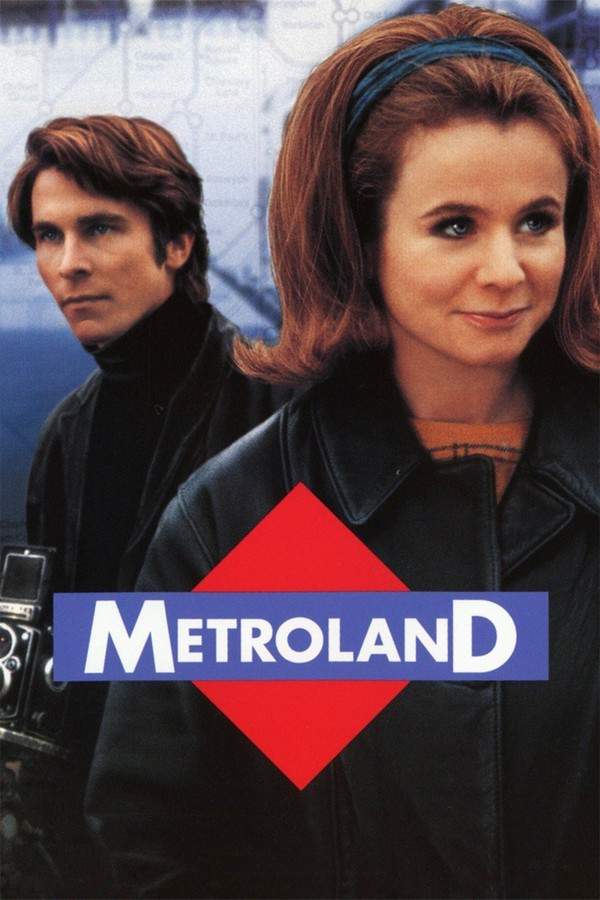
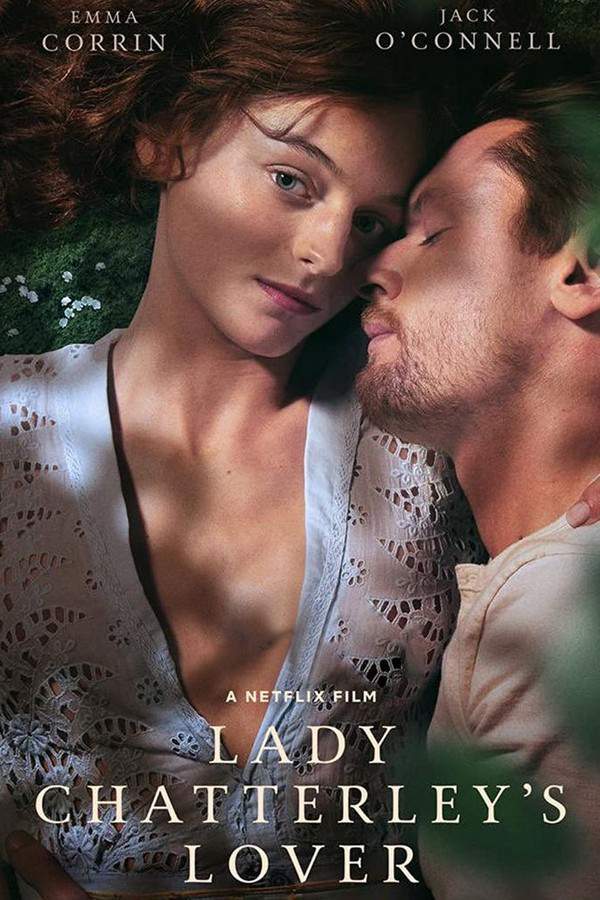
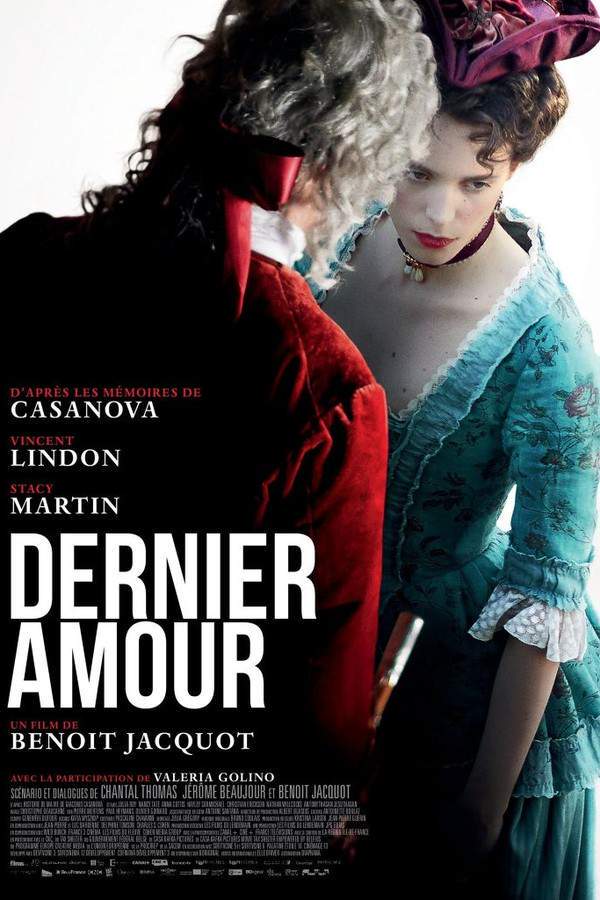


Quick Links: Summary, Cast, Ratings, More

What's After the Movie?
Not sure whether to stay after the credits? Find out!




Explore Our Movie Platform
New Movie Releases (2025)
Famous Movie Actors
Top Film Production Studios
Movie Plot Summaries & Endings
Major Movie Awards & Winners
Best Concert Films & Music Documentaries
Movie Collections and Curated Lists
© 2025 What's After the Movie. All rights reserved.