
The Smashing Machine 2025

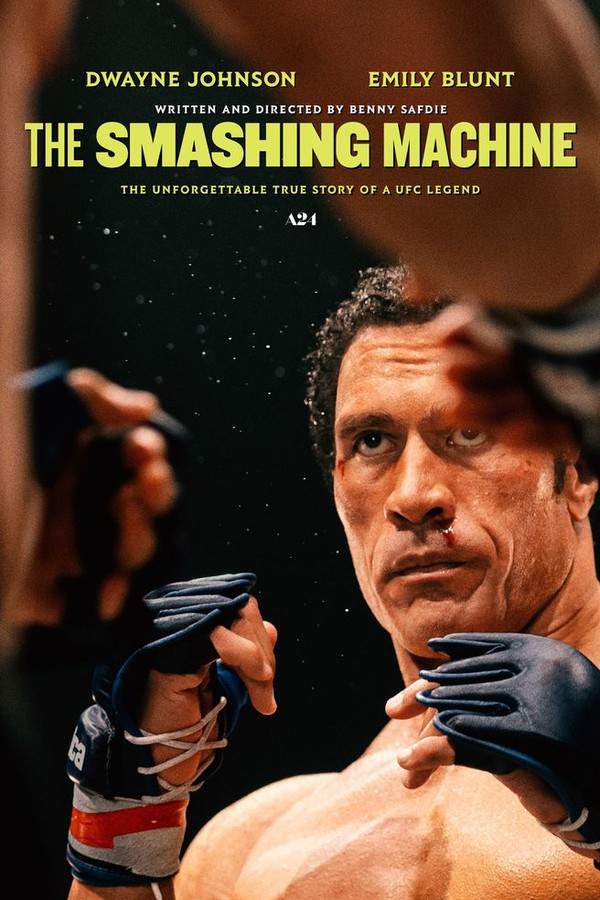
The story of mixed martial arts & UFC fighter Mark Kerr.

Does The Smashing Machine have end credit scenes?
No!
The Smashing Machine does not have end credit scenes. You can leave when the credits roll.
Meet the Full Cast and Actors of The Smashing Machine
Explore the complete cast of The Smashing Machine, including both lead and supporting actors. Learn who plays each character, discover their past roles and achievements, and find out what makes this ensemble cast stand out in the world of film and television.
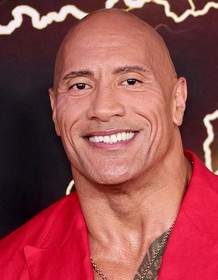
Dwayne Johnson
Mark Kerr

Bethany Brown
Nurse

Emily Blunt
Dawn Staples

Benny Safdie
Bas Rutten
Bas
Andre Tricoteux
Paul Varelans
James McSweeney
Varelans' Cornerman
Randi Lynne
Receptionist
Jill Basey
Peggy
Kenny Rice
Vale Tudo Announcer
Ryan Bader
Mark Coleman
Jerin Valel
Sergio Batarelli
Jonathan Corbblah
UFC 1997 Interviewer
Ilan Rosenberg
Coleman's Cornerman
Nick Toren
UFC 1977 Photojournalist
Raja Flores
Dr. Cortez
Soichi Sato
Window Seat Passenger
Takaaki Nagata
Taxi Driver
Jugo Hashimoto
Vespa Driver
Haruo Tokashiki
Pride 1999 Official
Yasuhiro Nakatsuka
Pride 19999 Journalist #1
External Links and Streaming Options
Discover where to watch The Smashing Machine online, including streaming platforms, rental options, and official sources. Compare reviews, ratings, and in-depth movie information across sites like IMDb, TMDb, Wikipedia or Rotten Tomatoes.








Ratings and Reviews for The Smashing Machine
See how The Smashing Machine is rated across major platforms like IMDb, Metacritic, and TMDb. Compare audience scores and critic reviews to understand where The Smashing Machine stands among top-rated movies in its genre.

The Movie Echo Score
In summary, The Smashing Machine delivers competent production values but struggles to coalesce into a compelling whole. While the direction and visual approach capture a gritty documentary texture, the narrative often feels workmanlike and lacks emotional depth. Performances receive mixed reactions, with moments of nuance offset by broader criticism of lead portrayals. The sensory elements are serviceable, yet the film’s replay appeal remains limited, resulting in a modest overall impression.
The Movie Echo Score Breakdown for The Smashing Machine

Art & Craft
ART: The film’s direction employs handheld camerawork and a raw visual palette that evoke documentary realism, while production design grounds the setting in an unglamorous milieu. Editing maintains a steady rhythm, yet the overall craftsmanship remains functional rather than inspired, delivering a technically competent but unremarkable aesthetic.

Character & Emotion
CHARACTER: Performances oscillate between moments of nuance and broader flatness. Dwayne Johnson ventures beyond his usual roles, offering occasional depth, while Emily Blunt’s talent is underutilized by limited material. Supporting actors provide modest emotional resonance, but inconsistencies in characterization impede a fully engaging ensemble.

Story & Flow
STORY: The narrative proceeds in a workmanlike fashion, outlining the athlete’s rise and struggles without achieving transcendence. Pacing is measured but occasionally stagnant, and the plot leans on familiar sports tropes rather than novel insight. While themes of resilience emerge, the overall arc lacks the cohesion needed for a compelling sports drama.

Sensory Experience
SENSORY: The sound design incorporates muted ambient cues that reinforce the bleak atmosphere, and the score underscores emotional beats without overwhelming them. Visual composition relies on handheld framing and a subdued color scheme, creating an immersive yet restrained aesthetic that complements the film’s grounded tone.

Rewatch Factor
REWATCH: The film offers limited incentive for repeat viewings; its modest narrative twists and predictable structure diminish lasting appeal. While certain performance highlights may reward attentive audiences, the overall experience lacks the depth or novelty that typically motivate re-engagement, resulting in a low rewatch factor.

65
Metascore
5.2
User Score


70%
TOMATOMETER

74%
User Score

6.4 /10
IMDb Rating
65
%
User Score

3.2
From 212 fan ratings
Full Plot Summary and Ending Explained for The Smashing Machine
Read the complete plot summary of The Smashing Machine, including all major events, twists, and the full ending explained in detail. Explore key characters, themes, hidden meanings, and everything you need to understand the story from beginning to end.
Mark Kerr is at the center of this portrait of a fighter whose career in the late 1990s unfolds against a backdrop of adrenaline, ambition, and vulnerability. The film opens with a candid interview in which Kerr details his view of the Ultimate Fighting Championship and his dedication to the sport. A battle in Sao Paulo in 1997 showcases his raw, fearless freestyle wrestling as he defeats a formidable opponent, illustrating the drive that would define his public persona. The interview continues, weaving together Kerr’s thoughts on competition, discipline, and the costs that come with chasing glory in a sport that thrives on intensity.
The story then shifts to more intimate ground. In a Phoenix clinic waiting room, Kerr speaks with a woman and her grandson about the UFC’s violence, but he makes a point of saying he doesn’t hate his opponents, signaling a complex mix of respect and restraint beneath the ruthless exterior. He even signs an autograph for the boy, a small gesture that humanizes a fighter who lives in the glare of the spotlight. At home, Kerr shares a tense dynamic with his girlfriend, Dawn Staples. Their relationship has tenderness and friction in equal measure: he chides her over a milk selection for his protein shake, yet his concern and affection for her remain evident even as darker struggles simmer beneath the surface. The film does not shy away from Kerr’s private battles, including opioid use that haunts him away from public view.
The narrative broadens to the international stage as Kerr travels to Tokyo with his coach, the formidable Mark Coleman. In the lead-up to Pride 7, he negotiates the logistics and the financial side of fighting, asking officials questions about payment and the stakes of competing on a global stage. After a tense interview, Kerr confronts a hypothetical question about losing, revealing a rare doubt in a man who typically projects unwavering confidence. Dawn makes a surprise trip to Tokyo, hoping to support him, but the moment unsettles Kerr in the locker room as he worries her presence might disrupt his focus. The bout itself ends in controversy: Kerr faces an opponent who employs moves deemed illegal, and the match is ruled a “no contest.” Even so, there is room for sportsmanship, as Kerr reaches out to his rival afterward and takes a friendly photograph, showing that respect can coexist with the tremors of defeat.
Back home, the relationship with Dawn again becomes a focal point. A heated argument erupts, culminating in Kerr smashing a door in a moment of uncontrolled anger. The next morning brings a life-threatening turn: Dawn calls Coleman in tears after Kerr overdoses and ends up in the hospital. Coleman visits, offering steady support as Kerr begins the long path to recovery through rehab. The rehab process strains their relationship, and Dawn, feeling increasingly distant from a man who has cycled through sobriety and relapse, ultimately leaves him.
With the support of a new training ally, Kerr heads to Hollywood in 2000 to work with Bas Rutten on rebuilding his body and technique. The sessions test him physically and emotionally, and there is a stark moment when Bas endures a painful injury during training; Kerr’s presence—along with careful care and focus—helps him push through the strain to regain peak form. The bond with Rutten becomes a catalyst for Kerr’s renewal as a fighter, even as the personal toll of his past continues to echo in his life.
Returning to competition, Kerr enters the Pride 2000 Grand Prix with renewed resolve. He delivers a performance that proves he is capable of enduring and adapting, and Dawn—now back in his life—reappears with a simple, symbolic gift: a repaired bowl she had broken in an argument. The gesture marks a fragile reconciliation, though Bas remains wary of Kerr’s decision to leave the training camp and return home with Dawn.
Yet the relationship remains combustible. An explosive dispute reaches a peak when Dawn resents Kerr’s reluctance to have her travel with him to Japan for his next bout, and another crisis looms: Dawn, in a moment of desperation, nearly shoots herself. Kerr intervenes to restrain her, and emergency responders are called, highlighting the perilous emotional terrain the couple is navigating.
The final round of the Grand Prix in Japan tests Kerr’s concentration in a way the film has been building toward. Distracted by flashbacks to happier times, he suffers a crushing defeat, a moment that is tempered by the support of Coleman in the locker room. Coleman secures the belt in his own final round, while Kerr, left to process the loss, sits in the shower and laughs through a mix of relief, relief, and perhaps a dawning clarity about what comes next.
The film closes with a flashforward to 2025 in Scottsdale, where the real story of Kerr is anchored in a quiet grocery run. The closing text notes that Kerr and Dawn reconciled shortly after his loss and married, only to eventually divorce but raise a son together. Kerr retires from fighting in 2009, and the narrative positions him and Coleman as pioneers who helped lay the groundwork for the sport’s evolution, even as the world moves on to new stars and new stories. The ending leaves a portrait of a man shaped by triumph and turbulence, defined as much by his persistence and his relationships as by the trophies he collected.

Watch Trailers, Clips & Behind-the-Scenes for The Smashing Machine
Watch official trailers, exclusive clips, cast interviews, and behind-the-scenes footage from The Smashing Machine. Dive deeper into the making of the film, its standout moments, and key production insights.
The Smashing Machine Themes and Keywords
Discover the central themes, ideas, and keywords that define the movie’s story, tone, and message. Analyze the film’s deeper meanings, genre influences, and recurring concepts.
The Smashing Machine Other Names and Titles
Explore the various alternative titles, translations, and other names used for The Smashing Machine across different regions and languages. Understand how the film is marketed and recognized worldwide.
Articles, Reviews & Explainers About The Smashing Machine
Stay updated on The Smashing Machine with in-depth articles, critical reviews, and ending explainers. Explore hidden meanings, major themes, and expert insights into the film’s story and impact.

Similar Movies To The Smashing Machine You Should Know About
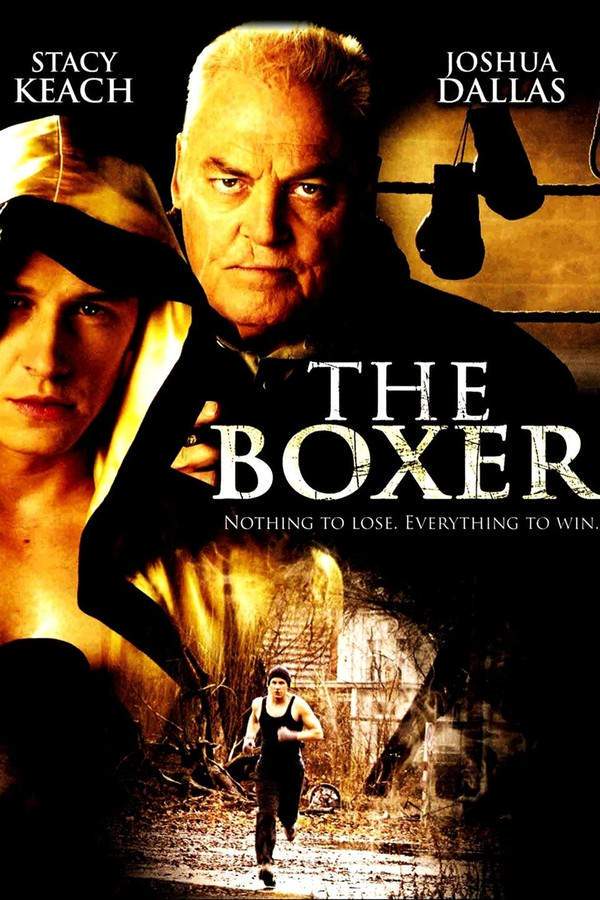
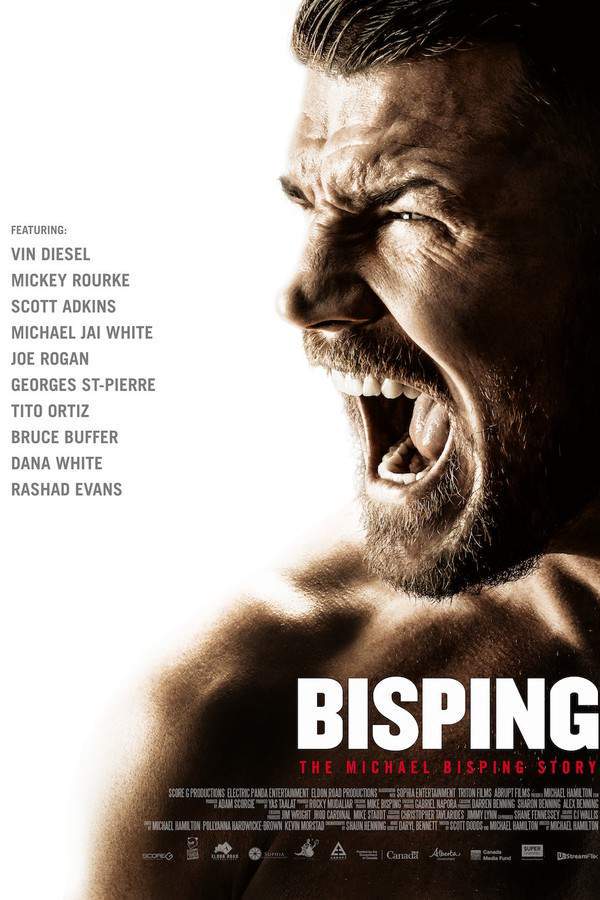
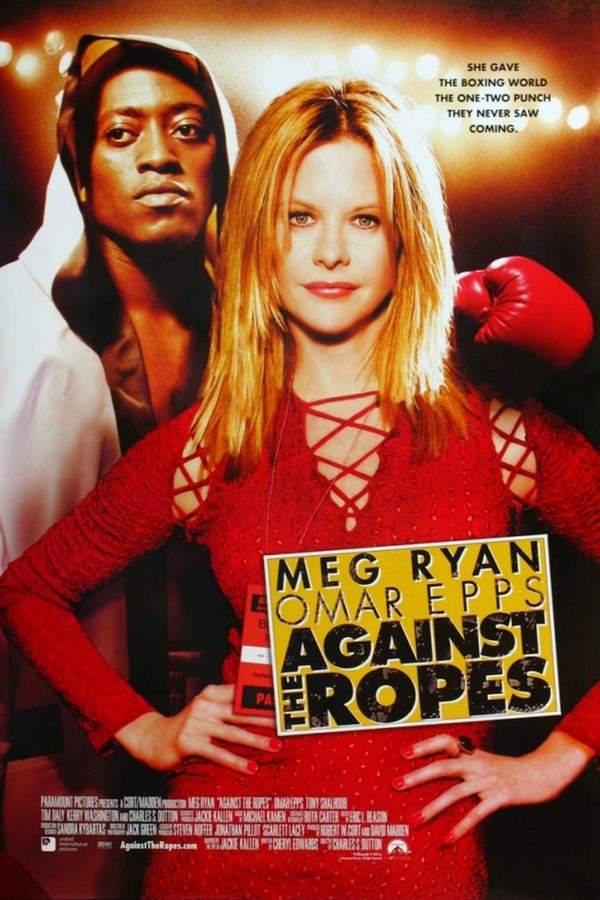
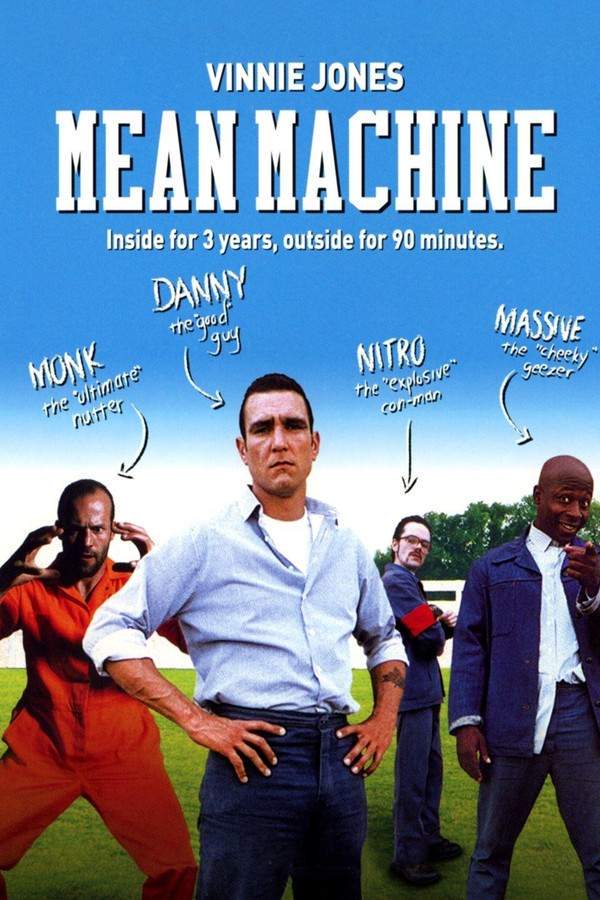
Browse a curated list of movies similar in genre, tone, characters, or story structure. Discover new titles like the one you're watching, perfect for fans of related plots, vibes, or cinematic styles.
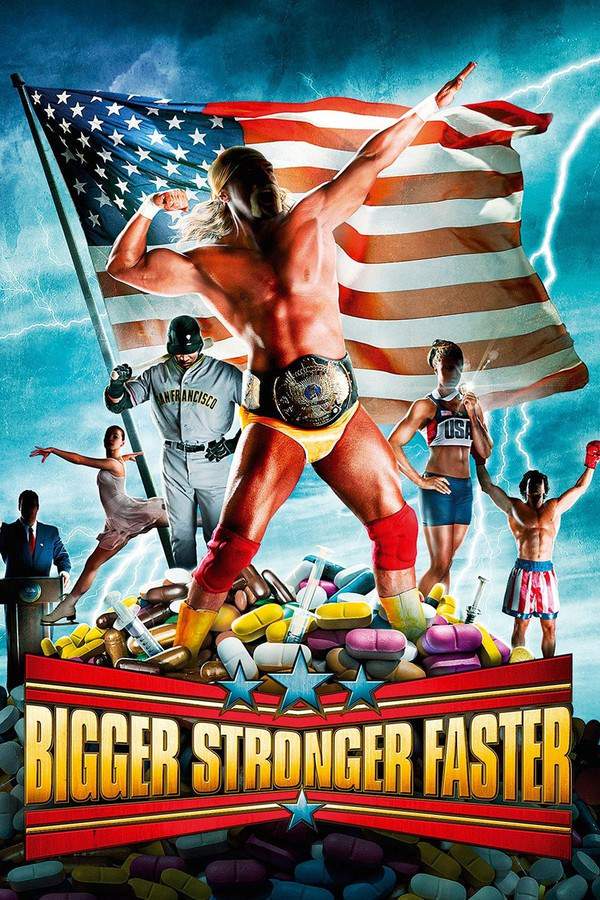



Quick Links: Summary, Cast, Ratings, More

What's After the Movie?
Not sure whether to stay after the credits? Find out!




Explore Our Movie Platform
New Movie Releases (2025)
Famous Movie Actors
Top Film Production Studios
Movie Plot Summaries & Endings
Major Movie Awards & Winners
Best Concert Films & Music Documentaries
Movie Collections and Curated Lists
© 2025 What's After the Movie. All rights reserved.