
The Happy Prince 2018

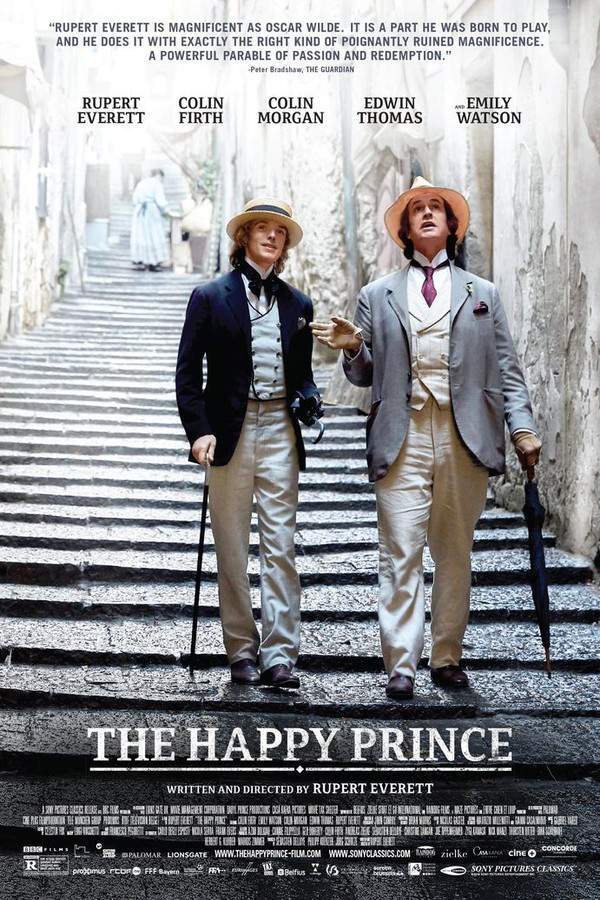
As Oscar Wilde’s life nears its end in a Parisian hotel room, he’s haunted by memories of his past. He recalls his rise to fame as a celebrated figure in London, the societal backlash that stifled his artistic expression, and the passionate, yet ultimately doomed, relationships he experienced while seeking freedom. Reflecting on his mortality, Wilde confronts unresolved issues with his former wife, Constance, the painful repercussions of his relationship with Lord Alfred Douglas, and the desperate efforts of Robbie Ross to prevent his downfall.

Does The Happy Prince have end credit scenes?
No!
The Happy Prince does not have end credit scenes. You can leave when the credits roll.
Meet the Full Cast and Actors of The Happy Prince
Explore the complete cast of The Happy Prince, including both lead and supporting actors. Learn who plays each character, discover their past roles and achievements, and find out what makes this ensemble cast stand out in the world of film and television.
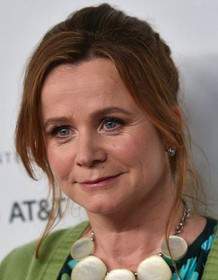
Emily Watson
Constance Wilde
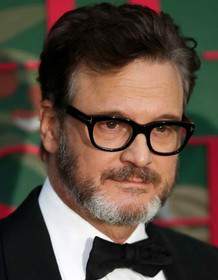
Colin Firth
Reggie Turner

Tom Wilkinson
Father Cuthbert Dunne
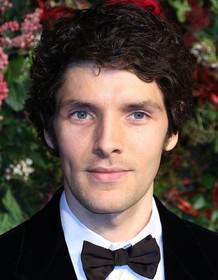
Colin Morgan
Alfred Bosie Douglas

Béatrice Dalle
Café-Concert Manager

Anna Chancellor
Lydia Arbuthnott

Antonio Spagnuolo
Felice
Edwin Thomas
Robert Robbie Ross
Franca Abategiovanni
Felice's Mother
Jacky Druaux
Joshua McGuire
Julian Wadham
Mr. Arbuthnott
Kit Lloyd
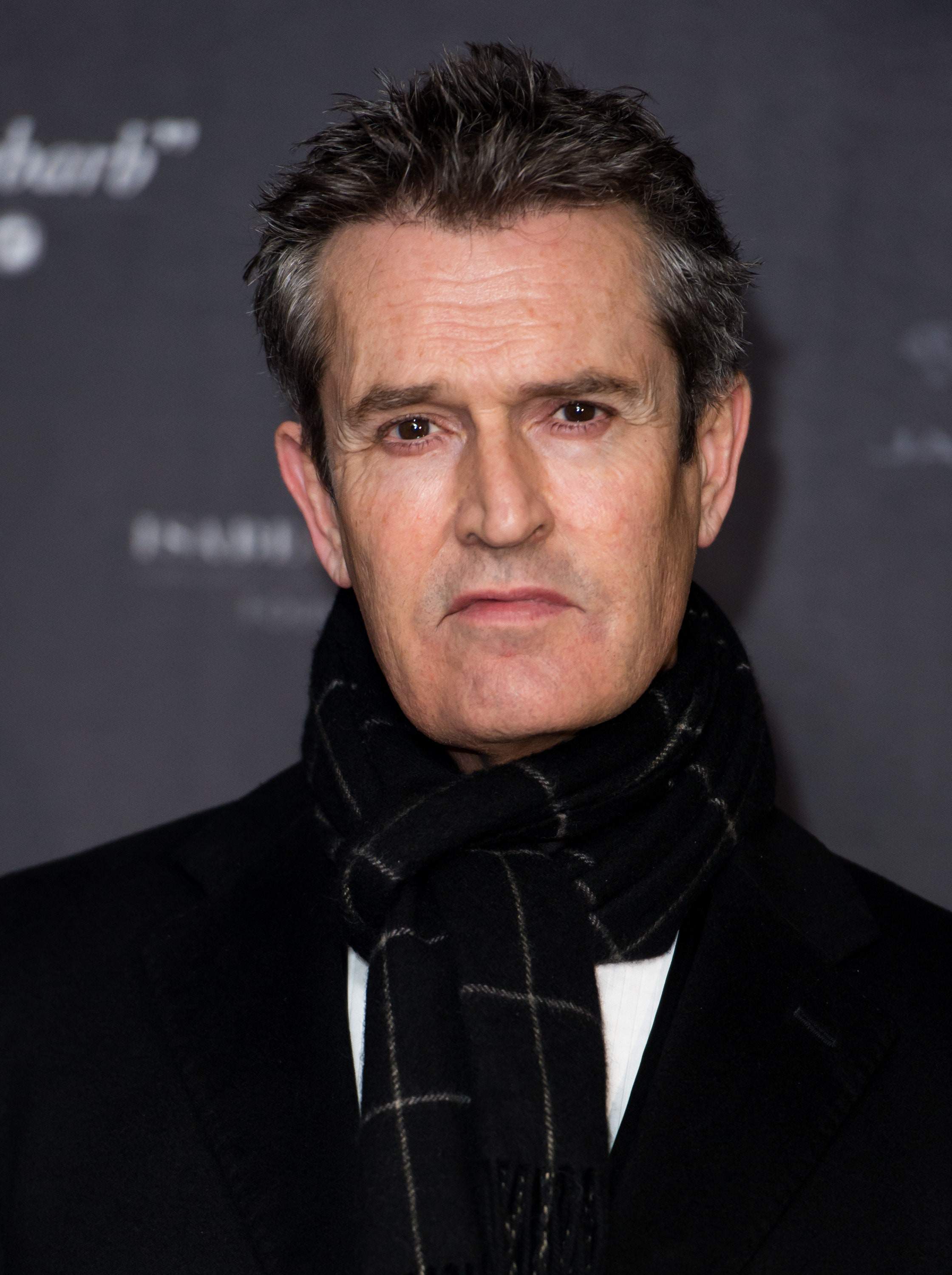
Rupert Everett
Oscar Wilde
Thierry de Coster
External Links and Streaming Options
Discover where to watch The Happy Prince online, including streaming platforms, rental options, and official sources. Compare reviews, ratings, and in-depth movie information across sites like IMDb, TMDb, Wikipedia or Rotten Tomatoes.











Ratings and Reviews for The Happy Prince
See how The Happy Prince is rated across major platforms like IMDb, Metacritic, and TMDb. Compare audience scores and critic reviews to understand where The Happy Prince stands among top-rated movies in its genre.

The Movie Echo Score
In its portrayal of Oscar Wilde’s final years, The Happy Prince offers strong visual style and committed performances but struggles with narrative cohesion. The film is frequently praised for its thoughtful direction and evocative period design, though several critics point to uneven pacing and a formulaic script. Acting is widely commended, particularly Everett’s nuanced turn, contrasting with underdeveloped supporting roles. While the movie’s aesthetic care and emotional sincerity shine through, the story’s structure and limited memorability temper its impact overall.
The Movie Echo Score Breakdown for The Happy Prince

Art & Craft
In terms of art and craft, The Happy Prince is marked by attentive direction and distinctive visual design. Critics and viewers alike note the evocative period settings and measured camerawork that evoke 19th-century Europe. While some first-time directorial choices waver, the film’s careful framing and texture consistently enhance its historical ambiance and visual appeal.

Character & Emotion
When it comes to character and emotion, performances are a principal strength of The Happy Prince. Rupert Everett’s portrayal is widely described as nuanced and immersive, and supporting actors deliver dependable work. However, several critiques highlight that some secondary figures lack depth and emotional complexity. Overall, the cast’s commitment ensures strong engagement despite occasional character underdevelopment.

Story & Flow
In terms of story and flow, The Happy Prince exhibits uneven pacing and a somewhat formulaic narrative structure. Viewers note that intermittent poignant moments are offset by passages of monotony and flashback confusion. While the script contains thoughtful dialogue drawn from Wilde’s writings, it lacks consistent momentum and clarity. Consequently, the storyline engages sporadically but does not sustain full narrative drive.

Sensory Experience
In terms of sensory experience, the film’s visual style and sound design underscore its historical setting. Reviews cite a restrained color palette, dynamic compositions, and discreet use of period-appropriate scores that enrich the atmosphere. Although some scenes rely on quiet introspection rather than overt spectacle, the cohesive audiovisual approach succeeds in immersing viewers in Wilde’s world.

Rewatch Factor
In terms of rewatch factor, The Happy Prince offers moments of genuine emotional resonance but limited lasting memorability. Audiences appreciate the performances and thematic richness on initial viewing, yet the uneven pacing and sporadic narrative engagement reduce incentive for repeat viewings. While some may revisit for individual sequences or stylistic elements, the film does not consistently compel multiple full viewings.

64
Metascore
6.3
User Score


71%
TOMATOMETER

51%
User Score

6.3 /10
IMDb Rating

63
%
User Score

3.1
From 7 fan ratings

1.00/5
From 1 fan rating
Take the Ultimate The Happy Prince Movie Quiz
Challenge your knowledge of The Happy Prince with this fun and interactive movie quiz. Test yourself on key plot points, iconic characters, hidden details, and memorable moments to see how well you really know the film.
The Happy Prince Quiz: Test your knowledge of Oscar Wilde's poignant story as depicted in 'The Happy Prince' (2018).
What pseudonym does Oscar Wilde assume after his release from prison?
Full Plot Summary and Ending Explained for The Happy Prince
Read the complete plot summary of The Happy Prince, including all major events, twists, and the full ending explained in detail. Explore key characters, themes, hidden meanings, and everything you need to understand the story from beginning to end.
In 1897, the renowned writer Oscar Wilde, portrayed by Rupert Everett, emerges from prison after enduring a sentence for gross indecency. Separated from his beloved wife, Constance Wilde, and their children, he makes his way to Dieppe, where he is greeted by loyal friends Reggie Turner and Robert Ross. Adopting the alias Sebastian Melmoth, he strives to piece his life back together, attempting to reconcile with Constance through heartfelt letters that sadly go unanswered.
However, Oscar’s newfound freedom is marred by the unwanted attention of young Englishmen who mock him. In desperation, he retreats to a church, where he finds himself in a violent confrontation with his pursuers. This incident catches the attention of the police, who deliver stern warnings to him.
Oscar soon embarks on a path that rekindles a relationship with his former lover, Bosie Douglas, played by Colin Morgan. This reunion creates tension with Robbie, whose suppressed feelings for Oscar leave him feeling betrayed. Together, Oscar and Bosie escape to Naples, embracing a life devoid of societal norms, indulging in their libertine desires. However, the financial support from Bosie’s mother dwindles as she demands her son sever ties with Oscar. Despite their love, the couple succumbs to her demand and separates. Tragedy strikes when Constance passes away following surgery, leading to the heartbreaking loss of any contact with their children for Oscar.
Now lost for inspiration and in deep despair, Oscar relocates to Paris, relying on the kindness of old friends. His quest for solace reunites him with Reggie and Robbie, but he is met with disappointment as Bosie, now wealthy after inheriting from his father, coldly denies him support. Meanwhile, Oscar’s health spirals downward; he experiences phantom ailments he suspects are linked to syphilis, though he attributes them to mussel poisoning.
In his darkest moments, Oscar connects with two impoverished brothers, sharing in their sorrows. The elder becomes a close companion, while the younger yearns to hear the enchanting tale of The Happy Prince, a story Oscar once told his children. As Oscar’s condition deteriorates, he undergoes a painful operation for an ear abscess, which leads to severe infections post-surgery. With dwindling strength, he requests the extreme unction of the Catholic church in his final hours, passing away surrounded by a few steadfast friends.
At his funeral, Robbie confronts Bosie, accusing him of hypocrisy for mourning the man he abandoned. Bosie’s retort reveals his belief that he alone will be remembered alongside Oscar, while Robbie risks fading into obscurity. The poignant closing headlines reveal the fates of these intertwined lives: Bosie dies in solitude and poverty in 1945, while Robbie, who passed away in 1918, lies in a grave shared with Oscar himself. Remarkably, it was not until 2017 that Oscar was pardoned along with others wronged by laws against homosexuality.

Watch Trailers, Clips & Behind-the-Scenes for The Happy Prince
Watch official trailers, exclusive clips, cast interviews, and behind-the-scenes footage from The Happy Prince. Dive deeper into the making of the film, its standout moments, and key production insights.
The Happy Prince Themes and Keywords
Discover the central themes, ideas, and keywords that define the movie’s story, tone, and message. Analyze the film’s deeper meanings, genre influences, and recurring concepts.
The Happy Prince Other Names and Titles
Explore the various alternative titles, translations, and other names used for The Happy Prince across different regions and languages. Understand how the film is marketed and recognized worldwide.
Similar Movies To The Happy Prince You Should Know About
Browse a curated list of movies similar in genre, tone, characters, or story structure. Discover new titles like the one you're watching, perfect for fans of related plots, vibes, or cinematic styles.




Quick Links: Summary, Cast, Ratings, More

What's After the Movie?
Not sure whether to stay after the credits? Find out!




Explore Our Movie Platform
New Movie Releases (2025)
Famous Movie Actors
Top Film Production Studios
Movie Plot Summaries & Endings
Major Movie Awards & Winners
Best Concert Films & Music Documentaries
Movie Collections and Curated Lists
© 2025 What's After the Movie. All rights reserved.